How Tall is Canton Tower and Why Its Design Matters?
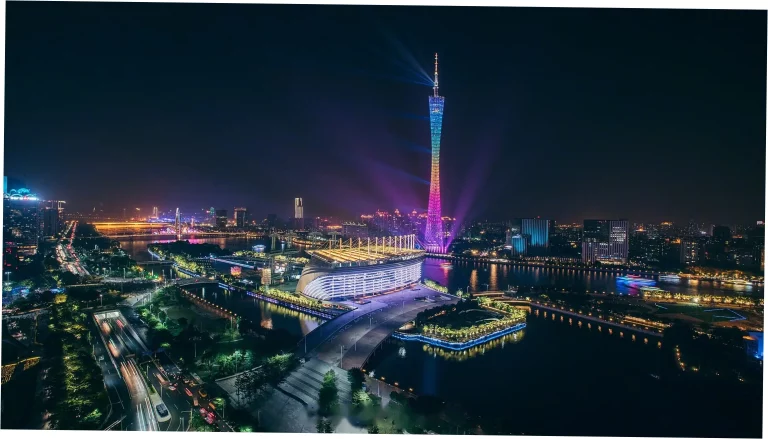
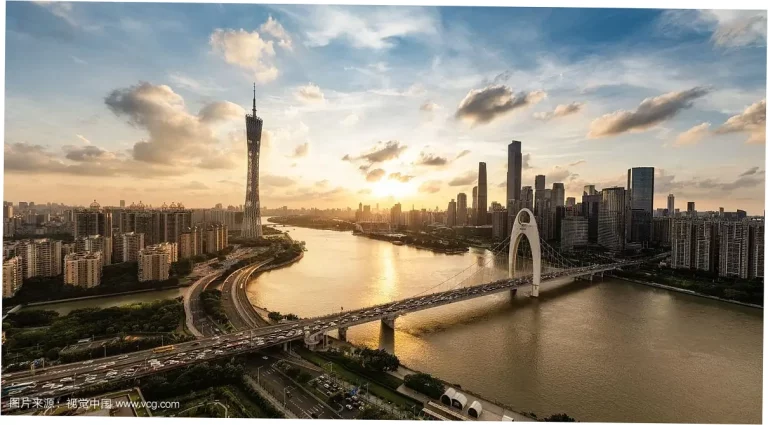
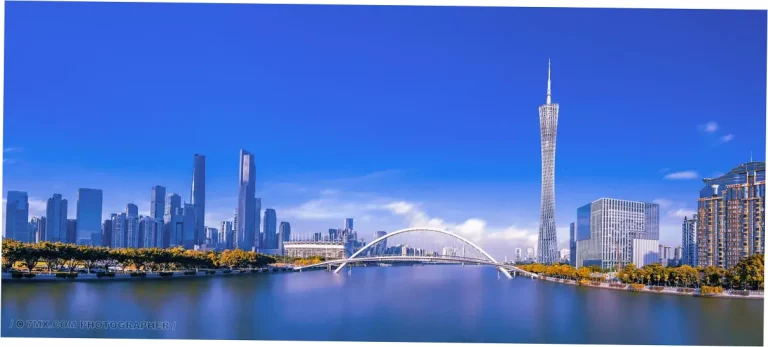
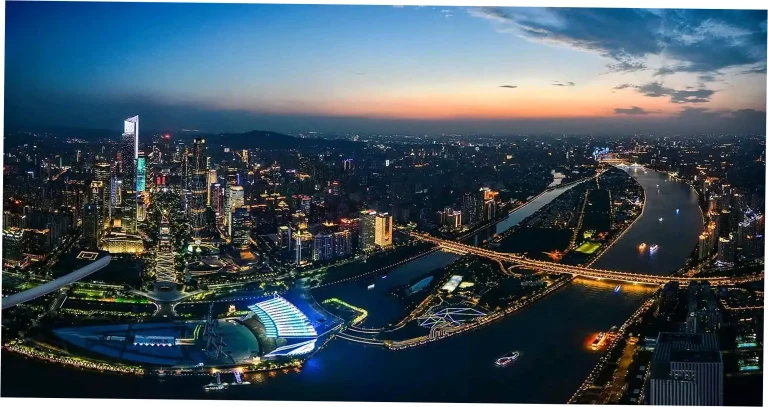
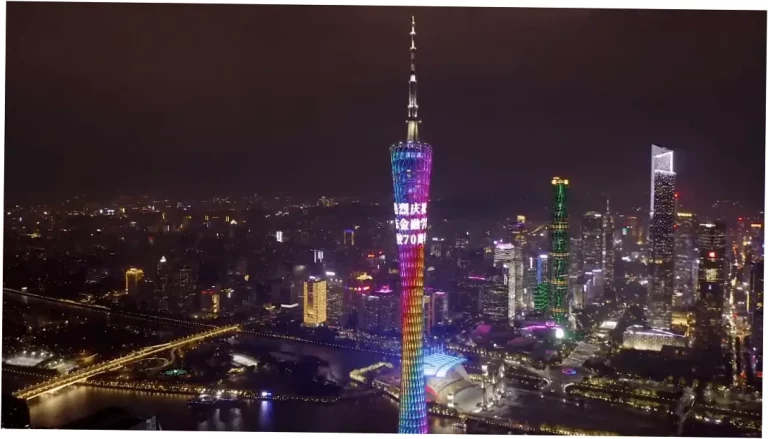
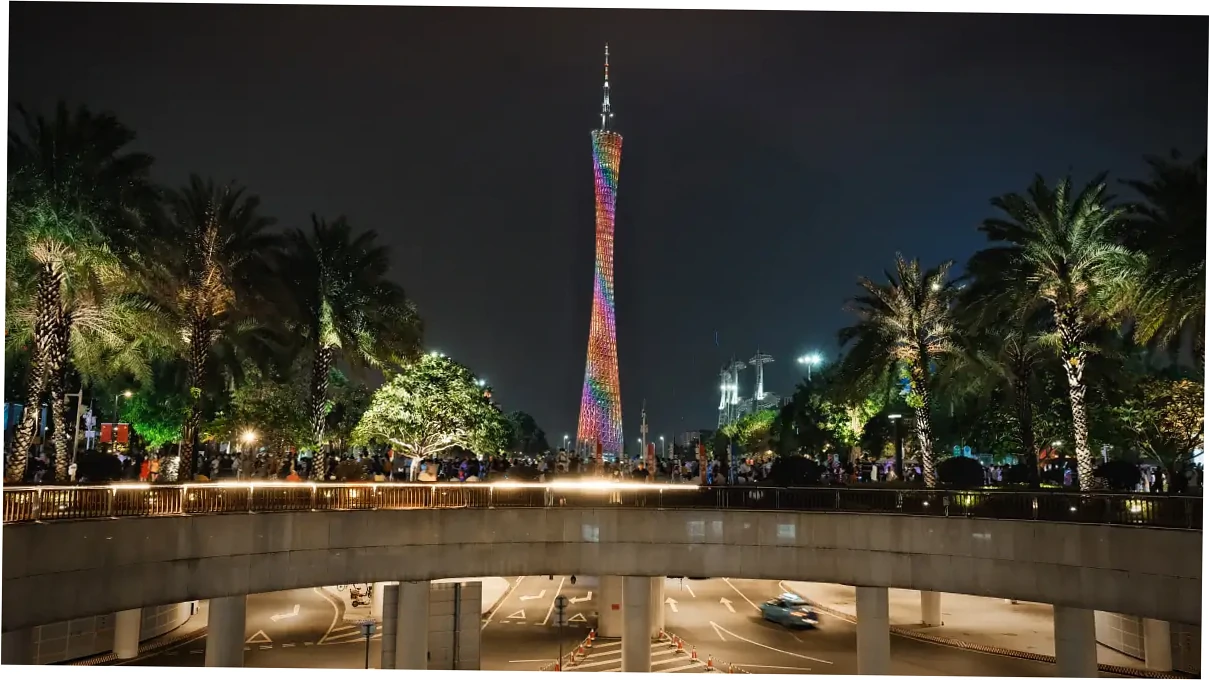
The Canton Tower stands guard over Guangzhou’s Pearl River. It’s more than just a landmark. It’s an amazing mix of bold engineering and beautiful, almost poetic, design. I’ve seen lots of towers around the world, but this one really caught my eye. Its twisted shape is totally unique, nothing like the usual boxy buildings or plain spires. Officially called the Guangzhou Tower, this structure shows off China’s modern city ambitions. It’s a real marvel that makes you wonder right away: just how tall is it, and what’s the idea behind that famous twisted look? So, let’s dig into the story of this massive building. We’ll talk about its record-breaking height and the detailed lattice work that makes it stand out on the skyline.
Table of Content
First up, the Canton Tower’s height and structure are record-breakers.

Official Height and Global Ranking
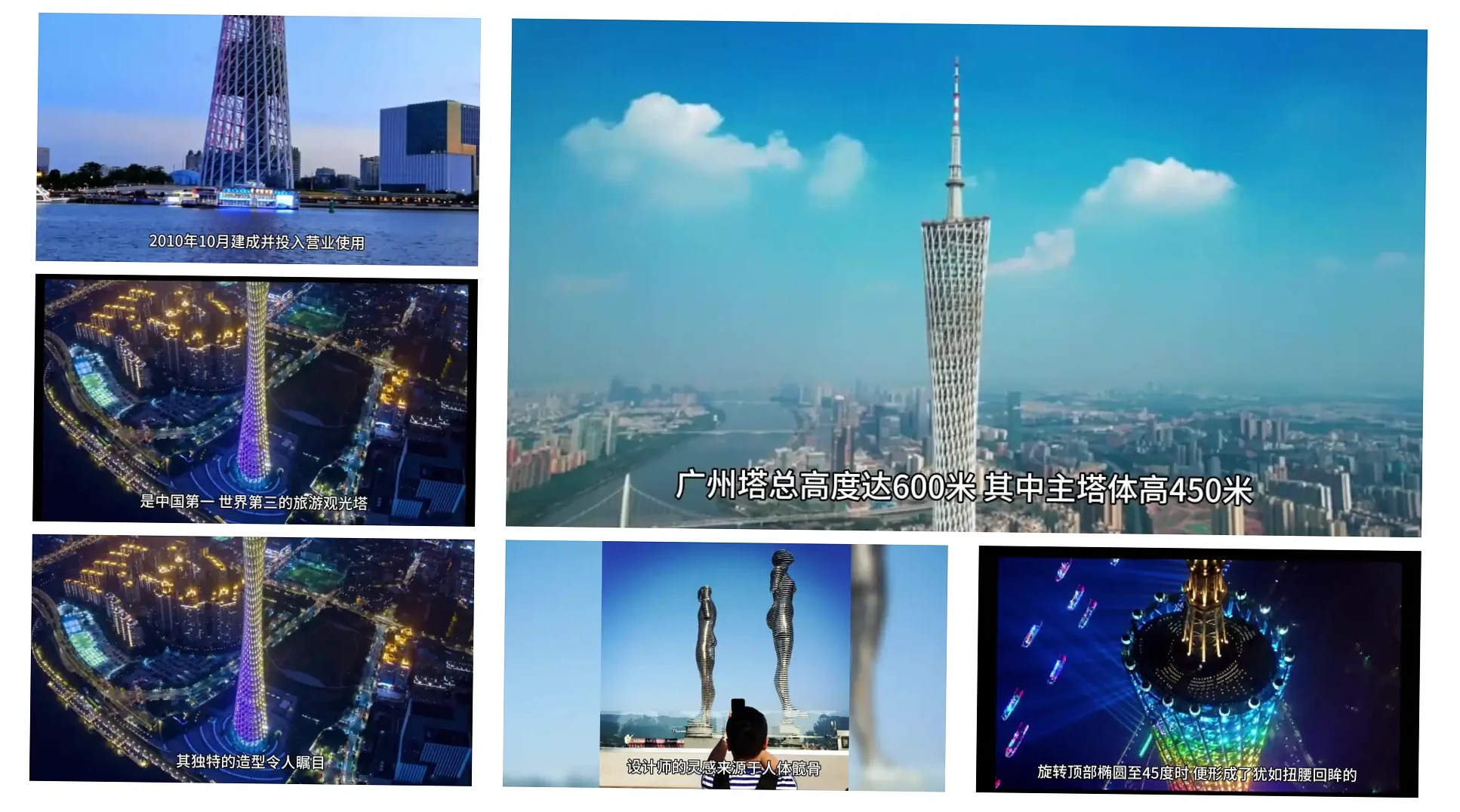
Precise Measurement: The Canton Tower’s total height is precisely 600 meters (1,969 feet). This figure places it firmly among the world’s tallest towers and observation structures.
While it no longer holds the title of the world’s tallest tower (surpassed by Tokyo Skytree), it remains a dominant feature of the Asian skyline and an undisputed icon of Southern China.
Its height was a deliberate architectural statement, intended to symbolize Guangzhou’s rising status as a global metropolis.
Structural Composition: The tower’s immense height is supported by a hybrid structure. Its core is a Reinforced Concrete cylinder, providing immense compressive strength.
Surrounding this core is the iconic steel lattice outer structure, which provides lateral stability against wind forces—a critical consideration for any super-tall building.
This combination allows the tower to withstand typhoon-force winds common in the region. The design cleverly separates the vertical circulation (elevators, stairs) in the concrete core from the occupied spaces in the steel lattice, enhancing both efficiency and safety.
Comparing Its Stature with Other Global Towers
To really get a sense of its size, it helps to compare it with others. The Canton Tower is way taller than the Eiffel Tower at 330 meters and the Tokyo Tower at 333 meters.
When it was built, its closest rival was Toronto’s CN Tower at 553.3 meters, and the Canton Tower ended up taller. This table shows where it stands among other big communication and observation towers:
| Tower Name | Location | Height (meters) | Primary Function |
|---|---|---|---|
| Tokyo Skytree | Tokyo, Japan | 634 | Broadcasting, Observation |
| Canton Tower | Guangzhou, China | 600 | Observation, Telecommunications, Tourism |
| CN Tower | Toronto, Canada | 553.3 | Observation, Telecommunications |
| Ostankino Tower | Moscow, Russia | 540.1 | Broadcasting, Observation |
What makes it different from a lot of skyscrapers? Well, most are just for offices or homes. The Canton Tower is like a whole vertical city with lots of uses. All that height houses observation decks, a cinema, restaurants, fun rides like the Bubble Tram, and important telecom gear too. So, packing all these functions into one tall building makes it really special. It’s like a giant utility pole and a fun spot all in one.
Deconstructing the Iconic Twisted Lattice Design
The Architectural Vision and Inspiration
Design Philosophy: The tower’s form is the result of an international design competition won by the Dutch architecture firm Information Based Architecture (IBA), in collaboration with Arup Engineers.
The lead architects, Mark Hemel and Barbara Kuit, described the design as an elongated, subtle shape inspired by the curves of a female body. However, from an engineering and cultural perspective, its form is deeply pragmatic.
The twisting lattice is not merely aesthetic; it creates a hyperboloid structure, a shape known for its inherent strength using minimal material—a principle of sustainable and efficient design.
Cultural and Contextual Integration: The designers also sought to reflect local culture. The tower’s waist cinches in, reminiscent of a traditional Chinese ceramic vase or the graceful shape of a Guangzhou silk scarf flowing in the wind.
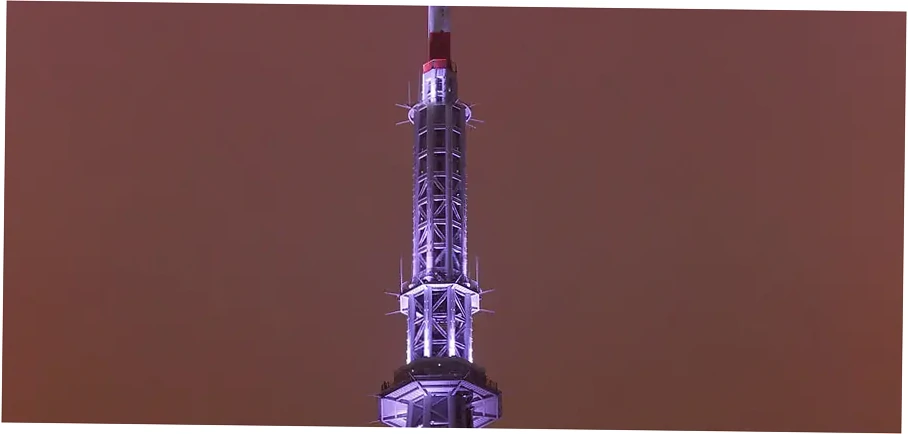
The lattice pattern itself, when viewed up close, creates a play of light and shadow that changes throughout the day. During my visit, the evening light filtering through the steelwork onto the interior floors was a mesmerizing effect I hadn’t experienced in more monolithic towers.
Engineering Behind the Curvilinear Form
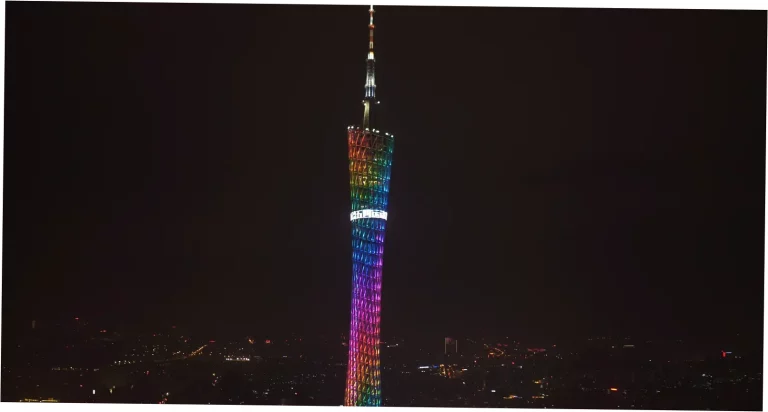
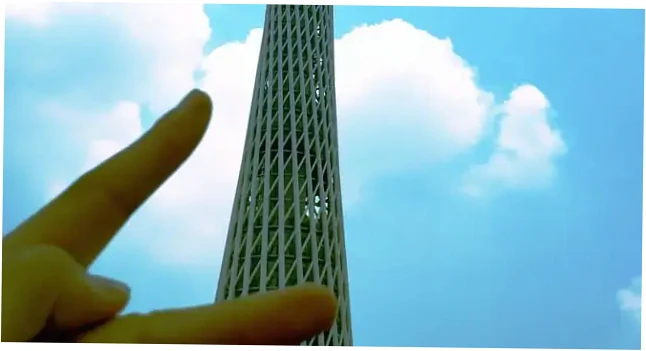
Getting that elegant twist right was a huge engineering challenge for the Canton Tower. The outer steel lattice has 24 slanted columns set up in an elliptical shape. As the tower goes up, these columns rotate.
The whole elliptical plan also twists 45 degrees from bottom to top. So you get this double rotation: columns twisting inside a twisting ellipse. That’s what gives the Canton Tower its iconic waist and that complex, shifting lattice pattern.
The real marvel is in the joints, the nodes where the steel tubes meet. Because of the continuous twist, no two nodes in the whole outer lattice are the same.
Every single one of those thousands of nodes had to be digitally designed, made, and put in place with super precise, millimeter accuracy. This needed advanced Building Information Modeling (BIM) and really showed off the precision of modern Chinese construction. Here’s a quick summary of the key design and engineering specs for the Canton Tower:
| Aspect | Details | What it means |
|---|---|---|
| Main Structure | Reinforced Concrete Core Steel Lattice Exoskeleton | This hybrid system makes it really strong and stable. |
| Lattice Columns | 24 steel tubes arranged in an ellipse that rotate | This creates the twisted hyperboloid shape of the Canton Tower. |
| Number of Nodes | About 1,100, and every single one is unique | This really shows how complex the design was and how precise the fabrication had to be. |
| Size at the Base | 80 meters by 60 meters (elliptical) | This gives the Canton Tower a wide, stable foundation. |
Construction Milestones and Engineering Feats
Phased Building Process and Challenges
Timeline and Scale: Construction began in 2005 and was completed for the 2010 Asian Games. The project involved over 10,000 workers at its peak. The first major phase was constructing the deep foundation and the massive reinforced concrete core.
which rose using a self-climbing formwork system. Pouring the high-strength concrete for the core was a continuous, meticulous process to ensure seamless integrity—a memory shared by a site engineer I spoke with, who recalled the 24/7 operations under floodlights.
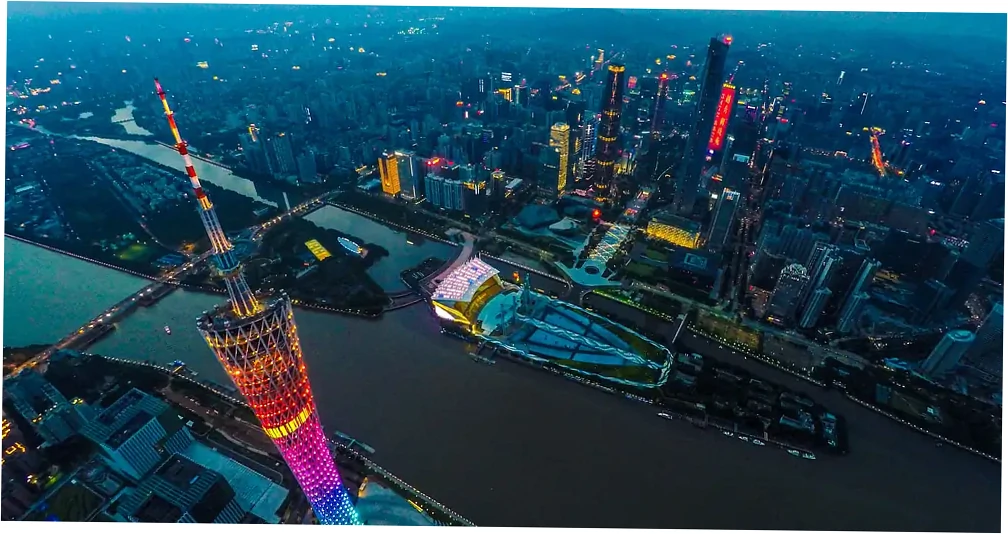
Lattice Erection: Installing the steel exoskeleton was the most visually dramatic phase. Large prefabricated sections, some weighing over 100 tons, were lifted into place by high-capacity tower cranes.
The challenge was aligning the uniquely angled nodes perfectly. Engineers used a combination of GPS surveying and laser-guided alignment to ensure each piece fit, a process akin to assembling a giant, weight-bearing puzzle in the sky.
Wind-induced sway during construction was a constant concern, mitigated by temporary damping systems.
Innovations in Sustainable and Safe Building
Sustainable Practices: The Canton Tower’s design is actually pretty green from the get-go. Its lattice structure works like a partial sunshade, cutting down how much the sun heats up the glass outside.
They also collect rainwater and reuse it for watering plants and topping up the cooling towers. While building, they tried to get materials from local suppliers as much as possible to cut down on transport emissions.
The environmental team was really proud of that. That efficient, hyperboloid shape doesn’t use much material, which is a great example of smart structural design.
Seismic and Wind Engineering: Since it’s in an area that gets typhoons and some earthquakes, making the tower tough was super important. The design includes a special damper to handle wind. It’s basically a huge 600-ton water tank up near the top.
the water sloshes around to balance out the tower’s movement. On top of that, the concrete core and the flexible steel lattice team up to soak up earthquake energy. So, the tower does sway, but it’s always within safe and comfy limits.
I can vouch for that myself—I was up on the top deck on a really windy day and only felt a very gentle, barely-there movement.
Multifunctional Zones and Visitor Experience
Observation Decks and Thrill Rides at Altitude
Sightseeing Levels: The tower offers multiple observation experiences. The main indoor observation deck is at 433.2 meters, while the highest open-air deck in the world (at the time of opening) is at 488 meters.
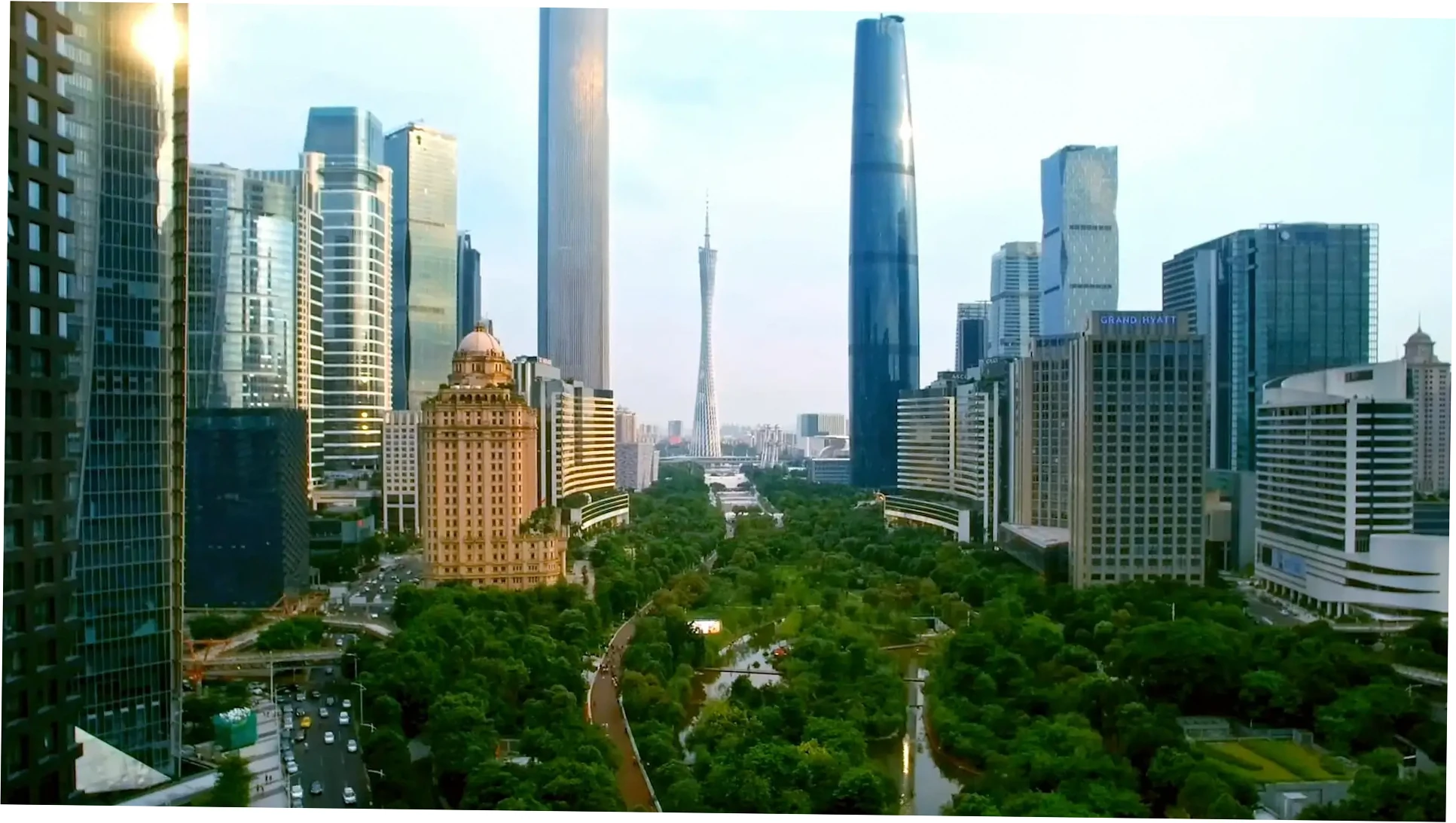
The view from here is staggering—a panoramic vista of the Pearl River winding through the sprawling city. But the real thrill comes from the Bubble Tram.
a set of transparent spherical cabins that slowly travel around the tower’s waist at about 460 meters. Stepping into one feels like floating in the sky, detached from the structure itself.
Adventure Activities: For the truly daring, the tower features a vertigo-inducing Sky Drop ride—a free-fall experience from a platform, and a spiral staircase walk up the antenna mast.
These attractions leverage the tower’s extreme height to create unique adrenaline-pumping experiences you won’t find in shorter structures. They transform the building from a passive viewing platform into an interactive adventure venue.
Culinary and Cultural Venues in the Sky
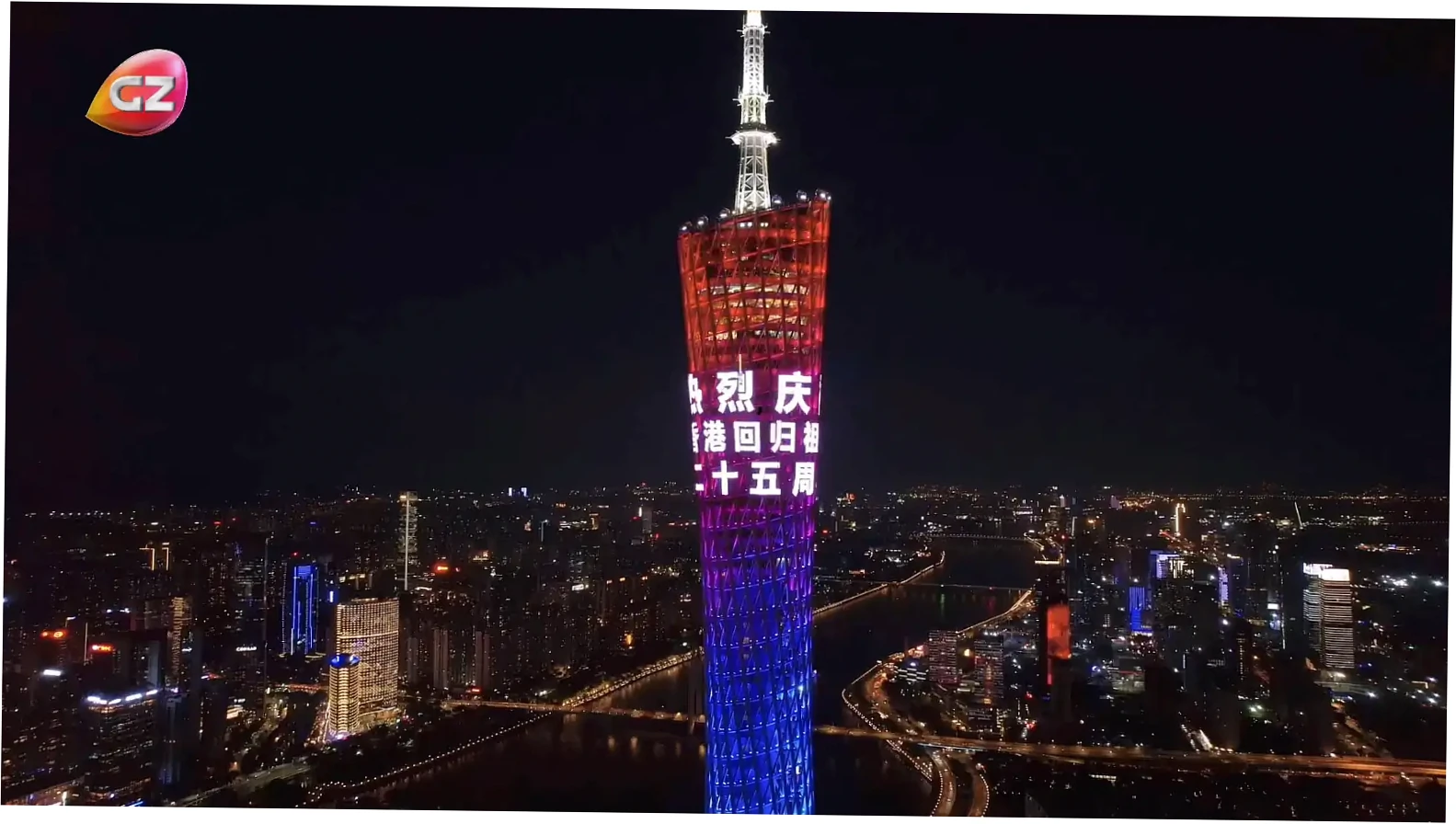
You can also grab a bite with an incredible view. The tower has a few restaurants inside, even one that slowly spins around at 423 meters up. Eating there while the city lights slowly drift by is something you won’t forget.
Just a tip: book a window seat way ahead of time! The menu is pretty clever—it mixes in local Cantonese tastes. So you get this cool mix of eating way up high and traditional local food.
It’s not just for tourists either. The Canton Tower also works as a place for culture and events. They’ve had art shows, product launches, and even weddings up there.
Down on the lower floors, there’s a 4D cinema and some science exhibits all about architecture and how cities are planned. Having all these different uses means the tower isn’t just a daytime spot. It’s a lively part of the city’s life, day and night.
This helps it stay useful for the long run and means it’s not just one giant building with only one job.
Canton Tower’s Role and Legacy in Guangzhou
Symbolism and Impact on City Identity
Urban Icon: The Canton Tower has irrevocably changed Guangzhou’s skyline and identity. Before its completion, the city lacked a singular, globally recognizable modern icon.
Now, the tower is synonymous with Guangzhou, much like the Opera House is with Sydney. It symbolizes the city’s economic prowess, technological advancement, and forward-looking vision. It has become a mandatory backdrop for official city promotions and a source of local pride.
Economic and Tourism Catalyst: Its construction spurred development in the Haixinsha Island and Zhujiang New Town areas. It attracts millions of visitors annually, creating a significant tourism economy around it.
The tower also serves a critical infrastructural role, hosting telecommunication antennas that broadcast TV and radio signals across the dense urban area, demonstrating how a landmark can also be a vital utility.
Architectural Influence and Future Considerations
Its design has left a big mark. The tower’s success showed architects and engineers in China that you can build huge, sculptural, and innovative structures.
People all over the world have studied its diagrid exoskeleton—that criss-cross outer frame—which looks great and makes it really stable. It’s a perfect example of how to combine bold architecture with solid engineering.
Looking to the future, the big question is how the Canton Tower stays important and in good shape for decades to come. The team running it has to keep maintaining its complex outside and inner workings.
They also need to update the stuff inside to get people to come back. Luckily, its design is pretty flexible. The floors inside that lattice structure can be changed up for new uses later on.
That should help this amazing 600-meter-tall tower stay a lively part of Guangzhou’s story for a long, long time.
So, to wrap it up, the Canton Tower is way more than just being 600 meters tall. It’s a real masterpiece. It combines incredible height with groundbreaking architecture.
That twisted lattice shape came from super precise digital design and took a massive effort to build. It pulls in tourists, acts as a cultural spot, and works as key city infrastructure—all packed into one graceful, hyperboloid shape.
Its legacy is written into Guangzhou’s skyline for sure. But it’s also in the history books of architectural engineering, showing what you can do when you have a big vision and the technical skills to back it up.
Have you ever been up to the dizzying observation decks or tried the thrilling Bubble Tram? Share your own photos and stories about visiting this architectural wonder down in the comments! Or, if you’re curious, check out our deep-dive article on how the world’s most famous towers were engineered.
FAQ: Canton Tower Height and Architecture
What is the exact height of Canton Tower and why was this specific height chosen?
The Canton Tower stands at an exact height of 600 meters (1,969 feet). This figure was not arbitrary; it was a strategic design target to position the tower among the world’s tallest structures and to create a round.
symbolic number representing a new century of achievement for Guangzhou. The height accommodates the required telecommunication functions, multiple observation decks, and commercial spaces while ensuring structural stability and wind resistance through its innovative design.
How does the twisted design of Canton Tower contribute to its stability?
The iconic twisted lattice, forming a hyperboloid shape, is fundamentally a highly efficient structural system. This design provides exceptional torsional rigidity and lateral stability, effectively distributing wind loads across the entire structure.
The twisting pattern disrupts wind vortex shedding, reducing dynamic wind pressure that can cause sway in tall buildings. Essentially, the beautiful curve is a direct result of engineering optimization for strength and wind resistance, making the tower both aesthetically unique and remarkably stable.
What are the main materials used in Canton Tower’s construction?
The tower employs a hybrid structural system. The primary vertical load-bearing element is a massive reinforced concrete core, which houses elevators and stairs.
Encasing this core is the iconic external steel lattice exoskeleton, made from high-strength steel tubes. The facade uses glass and metal panels. This combination leverages concrete’s compressive strength and steel’s tensile strength.
creating a lightweight yet incredibly robust structure capable of withstanding typhoons and seismic activity.
Can visitors go to the very top of the Canton Tower’s antenna mast?
Can you go right to the tippy-top? No, the public can’t get up to the very peak of the antenna mast. That’s what gets it to the full 600 meters. The highest spot you can actually visit is the open-air observation deck at 488 meters.
Everything above that is just for broadcast equipment and maintenance work. But, if you’re up for a unique adventure, there’s the Sky Walking activity. You get to climb the spiral stairs inside the lower part of the mast. It’s a really thrilling, hands-on kind of experience.