Where to Photograph Elephant Trunk Hill Best?
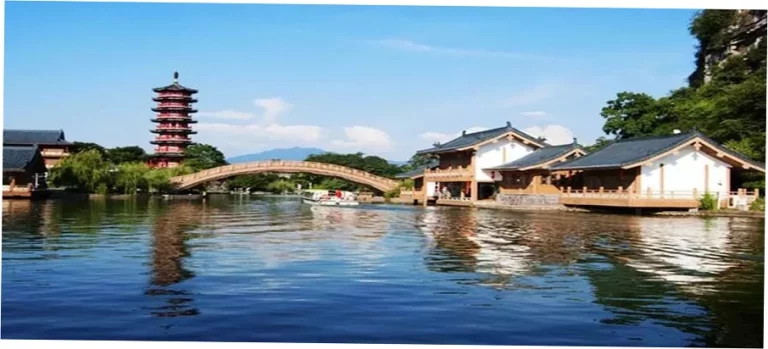
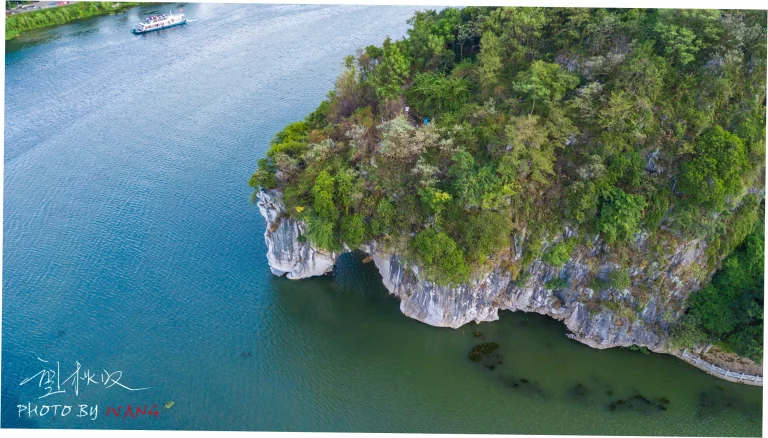
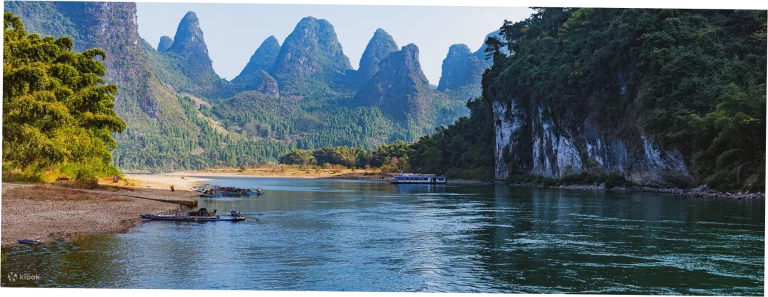
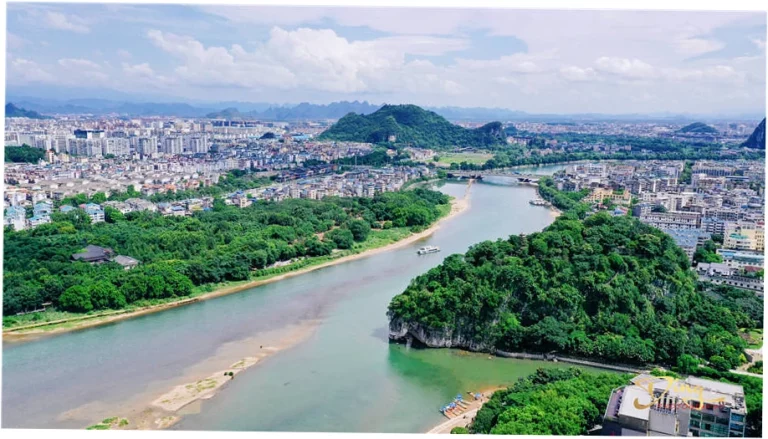
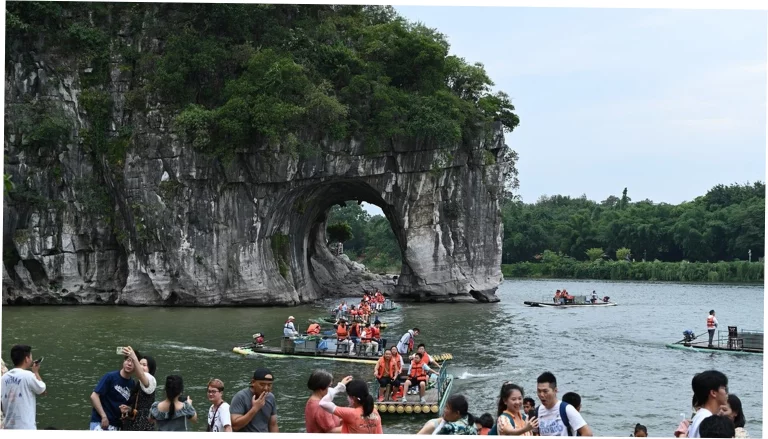
Want to snap some amazing photos of Elephant Trunk Hill, also called Xiangbishan? You’ve got a few great spots to choose from. The best views are from across the Li River, or from the Sun and Moon Pagodas, or even from the top of Fubo Hill. Each one gives you a totally different look at that famous natural limestone arch.
Here’s what we’ll cover:
Essential Gear for Capturing the Iconic Arch
Choosing the Right Camera and Lenses
Let’s talk about the core gear. For most folks visiting Elephant Trunk Hill, a versatile zoom lens, say a 24-70mm or 18-135mm, works great. This kind of lens lets you do two things. You can get the whole grand scene from across the Li River.
You can also zoom right in to catch the details of the trunk-like stalactite and that famous water-reflection spot, Shuiyue Cave. Grab a wide-angle lens, like a 16-35mm, too.
It’s perfect for fitting the entire Elephant Trunk Hill and its surroundings into your shot. The viewing platform over in the Xiangshan Scenic Area is a prime spot for this. And don’t skip a sturdy travel tripod.
You’ll really need it. It’s key for those beautiful long-exposure shots at sunrise or sunset. It also helps you get that silky smooth look on the Li River’s water. Toss a circular polarizing filter in your bag.
It cuts down on annoying water reflections and makes all the lush green plants around the hill really pop.
Accessories and Practical Tips
Now, for some on-location must-haves. First off, Guilin’s weather can change in a flash. So, always pack some lens cleaning cloths and a rain cover to protect your camera gear. Getting up early is totally worth it.
You get that gorgeous morning light for your Elephant Trunk Hill photography, and way fewer people crowding the best viewpoints. I learned that lesson the hard way! I once tried shooting at noon on a holiday.
Let me tell you, it was a nightmare—a whole sea of selfie sticks blocking every shot. Oh, and when you’re using your tripod, think about a remote shutter release. It keeps your shots super sharp and vibration-free.
Shooting with your phone? No problem. You can use clip-on lenses to get a wider view of the hill. And make sure to switch to your camera app’s Pro mode. That way, you can control the exposure yourself for much better photos.
Prime Photography Spots Across the Li River
The Classic Opposite Bank Viewpoint
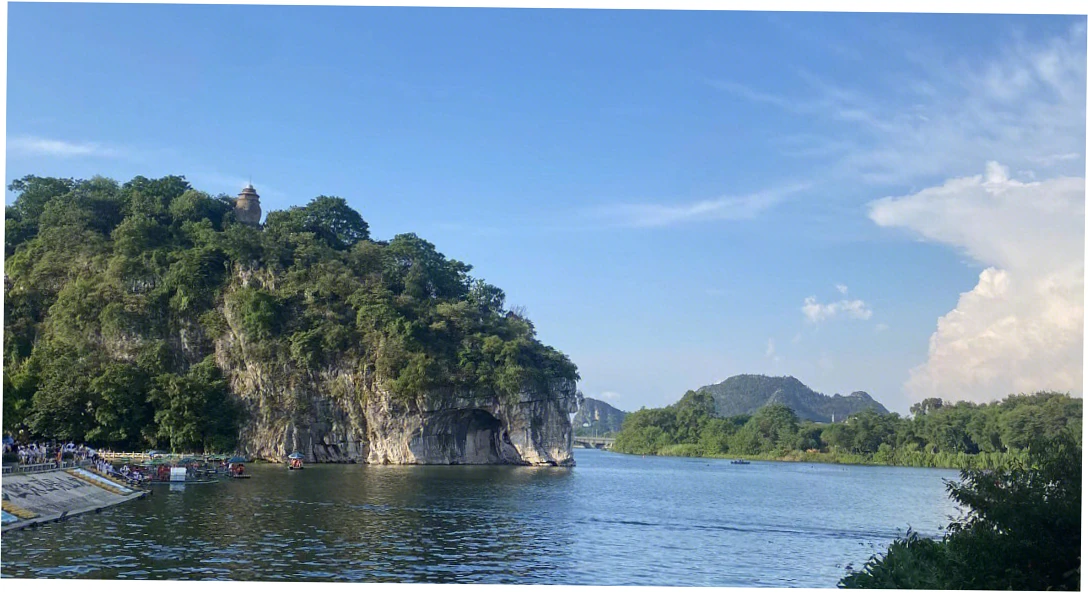
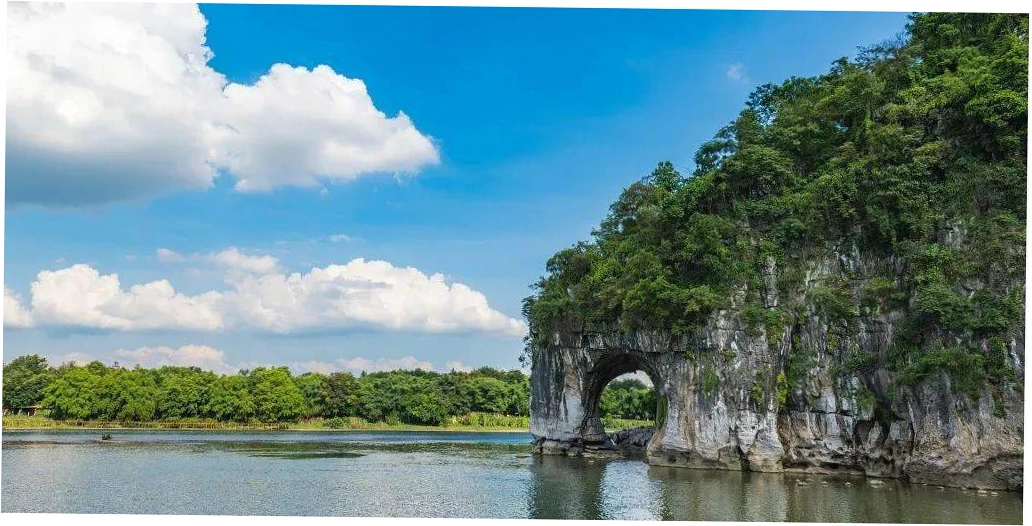
Want that classic postcard shot of Elephant Trunk Hill? Head to the park on the Li River’s west bank, right across from the hill itself. From there, you get a perfect frame of the whole elephant drinking from the water.
The light is best late in the afternoon through sunset. That’s when the warm sun really lights up the cliff. Get there at least an hour before sunset to grab a good spot – it gets pretty crowded.
On calm days, the arch’s reflection makes that famous elephant and its reflection scene. It looks clearest in the dry season – think winter and early spring – when the water is lower and still.
View from Fubo Hill and Pagodas
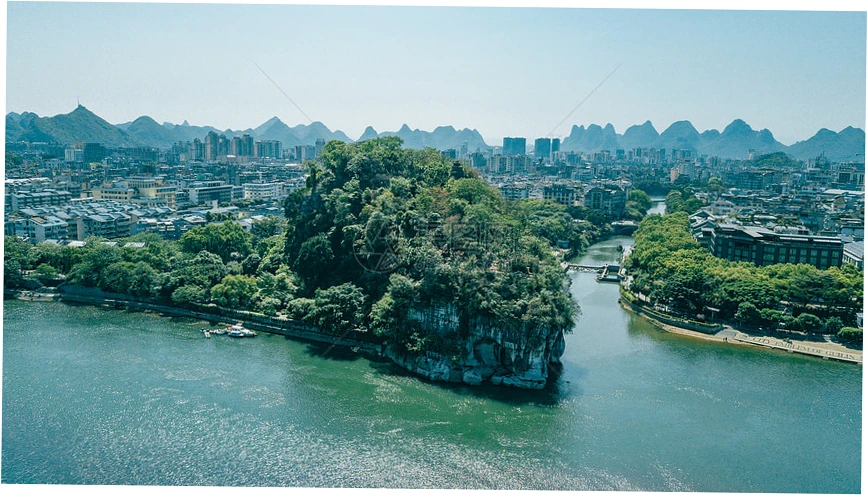
For a higher view, try hiking up Fubo Hill. It’s about a kilometer downstream. From the top, you get a fantastic elevated view looking back at Elephant Trunk Hill as the river curves.
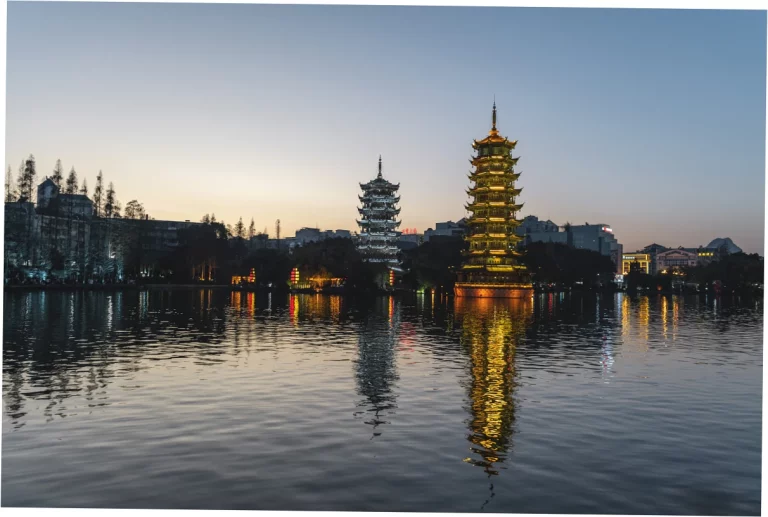
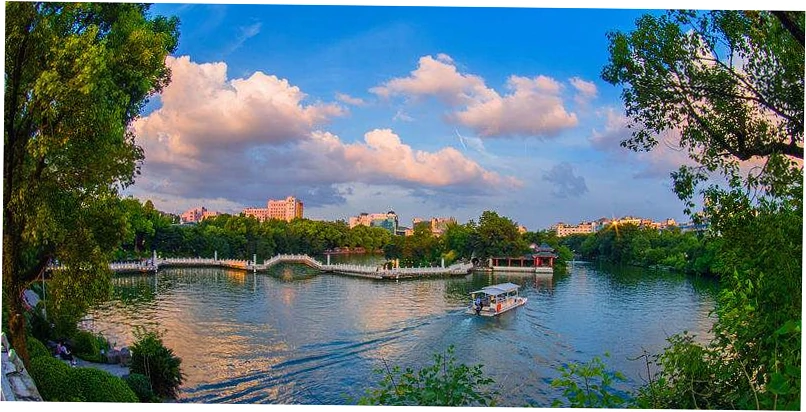
This spot gives you context, showing how the hill fits with the city around it. Another cool shot that mixes the hill with the city is from the Sun and Moon Pagodas at Shanhu Lake. Use a telephoto lens near the Moon Pagoda.
It squishes the distance, making the iconic hill look like it’s rising right behind the old-style towers. It’s a beautiful mix of nature and culture.
Seasonal and Time-Based Shooting Strategies
Capitalizing on Golden Hour and Blue Hour
Here’s a cool trick about timing: the light quality totally shifts the vibe in your Elephant Trunk Hill shots. Right after sunrise, during the golden hour, the east-facing cliff gets this soft, warm glow.
It’s perfect for taking pictures from the city side. Then, before sunset, if you shoot from the opposite bank, the golden hour gives you deep shadows and awesome texture. Don’t put your camera away right after the sun goes down.
Stick around for the blue hour. That’s the twilight time after sunset. The city lights and the hill’s gentle lighting mix to make a really magical, cool-colored scene. This is the absolute best moment for long-exposure photos. You can get the river looking like a smooth, glassy mirror.
Navigating Weather and Seasons
Now, let’s talk about the weather and seasons. Each one brings its own chances and tricky bits for Elephant Trunk Hill photography. In spring, you often get mist and rain.
Sure, they might hide the view, but they also make these dreamy, painting-like scenes. It’s spot-on for that classic Chinese landscape look. Summer gives you clear, bright skies.
But watch out for the harsh light around noon, and there are usually more people around. Many folks say autumn is the top season. The weather’s steady, it’s nice and cool, and the air is super clear.
Winter light is softer, and there are way fewer tourists. Just a heads up, the plants and trees might not look as lively. Fog pops up a lot in Guilin. Get creative with it! You can use the fog to make the hill’s silhouette stand out for some really clean, minimalist shots.
Compositional Techniques for Unique Shots
Framing and Leading Lines
Let’s talk about creative framing. Forget just putting the subject in the middle of the shot. Try using those willow branches hanging over the riverbank. They make a perfect natural frame for Elephant Trunk Hill.
Throw in some traditional fishing boats, or sampans, up front. They really help show the scale, tell a story, and give that local vibe. And the river? It’s a killer leading line. It pulls your eye right to the famous trunk of the hill.
After it rains, check out the puddles. You can catch some cool upside-down shots of the hill in the reflections. I remember waiting a whole hour once for a cormorant fisherman to row into view. That one person totally changed the shot from just a pretty scene to a real story.
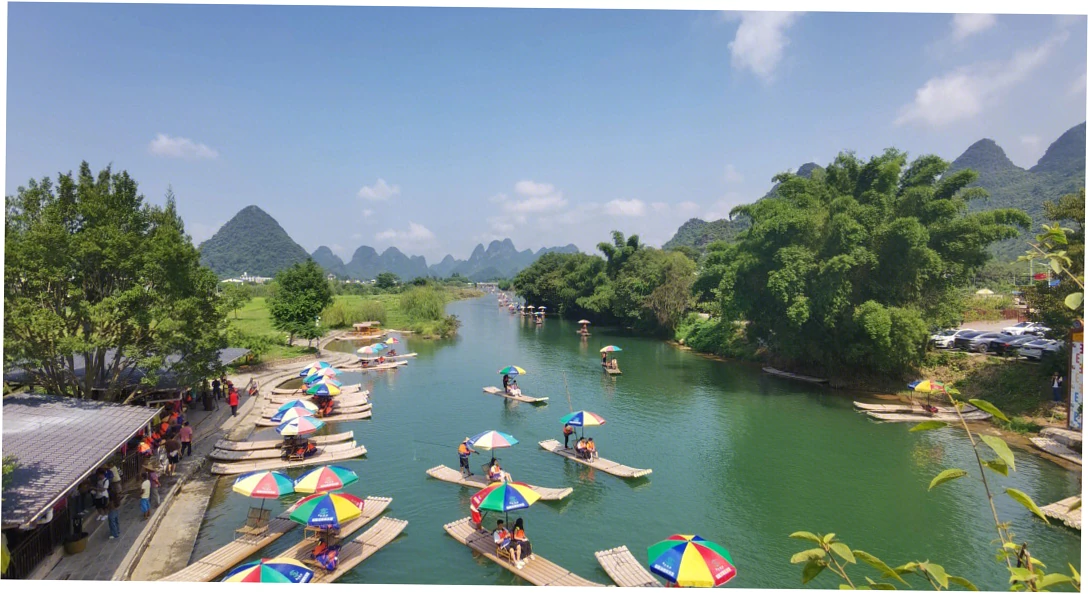
Playing with Perspective and Scale
Now, for unique angles. Most folks shoot from way back. My advice? Get in closer! Down in the park at the base, point your camera up. It makes the hill look huge against the sky. Don’t forget the little things.
Get shots of the rough limestone, the green moss, and the calligraphy carved right into the rock. Rent a boat for a water-level view. Looking straight up at the arch from underneath is a shot not many people get.
At night, it’s a whole different show. The hill lights up with colors that change. Use a slow shutter to catch the light trails from the tourist boats going by. It adds some cool movement to the still landmark.
| Viewpoint | Best Time of Day | Recommended Season | Key Effect |
|---|---|---|---|
| Over on the opposite bank, the west side, | late afternoon till sunset is prime time. | Autumn and winter are best. | You get that golden light on the cliff and a super clear reflection in the water. |
| Head to Xiangshan Park on the east side | from morning into early afternoon. | Spring and autumn are great. | The hill is lit from the front, with all that lush green behind it. |
| If you hike up to the Fubo Hill summit, | try for sunrise or sunset. | Any season works if the sky is clear. | You’ll get an awesome panoramic view and a whole new high-up perspective on Elephant Trunk Hill. |
| Down by the Sun Moon Pagodas, | shoot during the blue hour, right after sunset. | This spot is good all year round. | City lights landmark, blended composition |
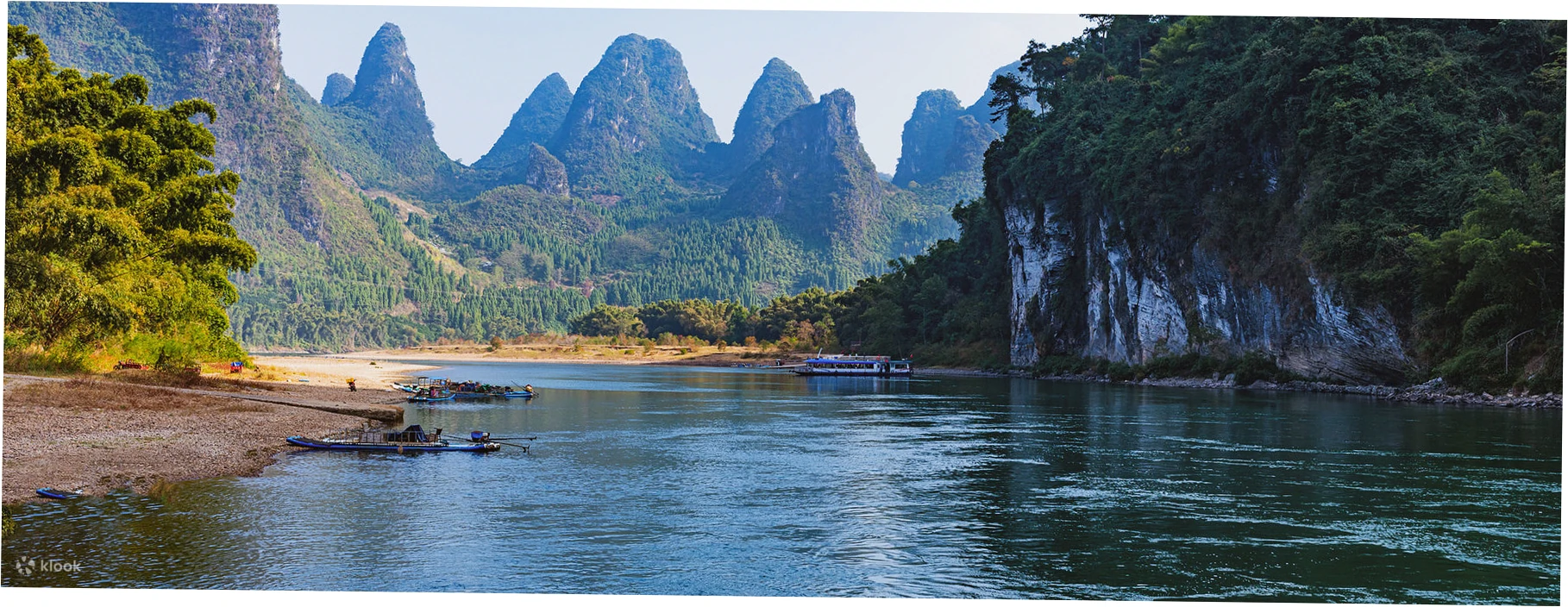
Let’s look beyond that famous shot and find other great photo spots nearby.
First, explore the area right around Elephant Trunk Hill.
Look for hidden details in the scenic area. For example, check out the carvings and inscriptions on the Puxian Pagoda—that’s the pagoda sitting right on the elephant’s back. Head inside the Water-Moon Cave.
You can get cool shots from there, framing the outside world through the cave’s archway. Love Island park is close by and gives you different angles. In spring and summer.
you can use the flowering plants in the foreground for your Elephant Trunk Hill photography. These spots are usually less crowded. They’re perfect for more intimate and detailed photos, which are a great addition to your wider landscape shots of the hill.
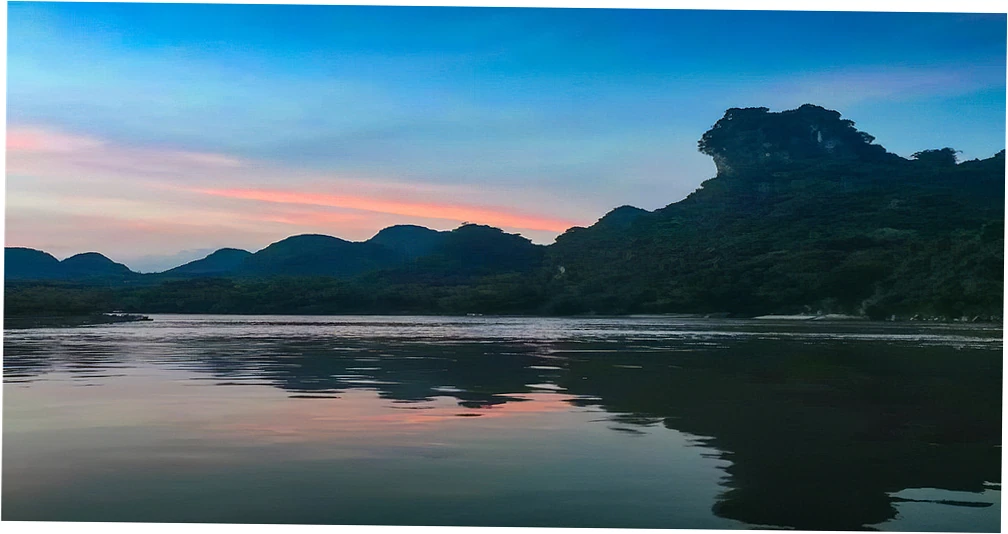
Next, think about including Guilin’s cityscape in your photos.
Elephant Trunk Hill fits right into the city’s daily life, which makes for a great urban context. Try to capture it as part of the city’s daily rhythm.
For instance, get a shot early in the morning with locals doing tai chi in the foreground and the hill in the back. The new bridges over the Li River offer a unique vantage point for linear compositions with the hill.
Shoot from a high-rise hotel or restaurant. The contrast between the ancient karst hill and the modern skyline really tells the story of how Guilin has changed.
Just remember, your best shot of Elephant Trunk Hill might not be a solo portrait. Sometimes it’s better when the hill is part of a bigger scene that tells a story about the place.
| Scene or Goal | Aperture | Shutter Speed | ISO | Extra Tip |
|---|---|---|---|---|
| For a standard daylight panorama | try f/8 to f/11 | with a Shutter Speed of 1/125s to 1/250s | and an ISO between 100 and 200. | Aperture priority mode works well here. |
| To get that silky water effect on the river | set your aperture to f/11 or higher, like f/16 | and use a slow shutter speed, say 2 to 10 seconds. | Keep your ISO low, at 100. | You’ll absolutely need a tripod and an ND filter for this. |
| For blue hour or city lights shots | an aperture around f/5.6 to f/8 is good | with a shutter speed from 5 to 20 seconds. | Set your ISO between 100 and 400. | Switch to manual focus and remember to shoot in RAW format. |
| When shooting close-up details, like the rock or pagoda | use a wider aperture, maybe f/2.8 to f/5.6 | and keep your shutter speed at 1/60s or faster. | You can use auto ISO, but cap it at 1600. | Single-point autofocus is your friend for these shots. |
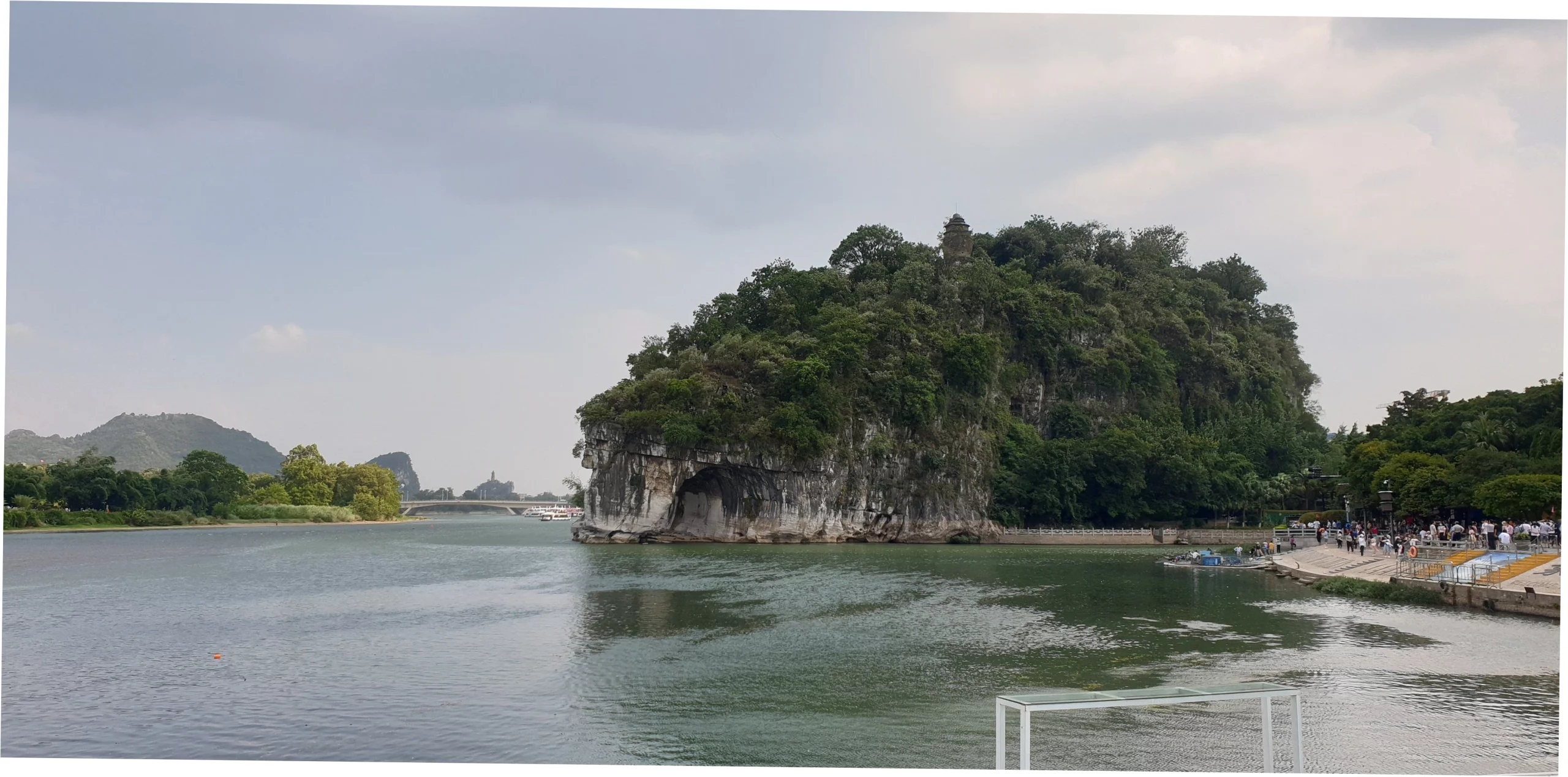
Let’s talk about post-processing to make your photos really pop.
Basic Adjustments for Impact
First up, the essential edits. If you shot from a boat or uneven ground, the horizon might be crooked. So, start by fixing any lens distortion and straightening that horizon line. Next, tweak the white balance to get the mood right.
You want that sunset light to feel warm and inviting, not just plain orange. Guilin can get pretty hazy. Use the dehaze or clarity tool a little bit to cut through that humidity and really make the texture of the limestone on Elephant Trunk Hill stand out. Then, carefully bring back details in the bright sky and lighten up the shadows in the foreground. Just don’t overdo it—you don’t want the photo to look fake. Remember, the goal is to enhance the moment you experienced, not to create some digital fantasy.
Advanced Techniques and Stitching
Now for some creative tricks. To get that super-wide panoramic shot from the Fubo Hill viewpoint, take a bunch of vertical photos that overlap, then stitch them together in Lightroom or Photoshop. This way, you keep tons of detail.
If you’ve got a tricky scene with a bright sky and a dark hill—super common at Elephant Trunk Hill—try exposure bracketing and blending those shots. To really make the hill the star.
use a light vignette or some dodging and burning to guide people’s eyes right to it. Oh, and when you share your Elephant Trunk Hill photos online, watch out for different color profiles on each platform.
A photo that looks amazing on your computer screen might look totally flat on a phone. Always give it a final once-over on your mobile before you post.
So, to sum it up, nailing a great photo of Guilin’s Elephant Trunk Hill is all about mixing good prep, perfect timing, and your own creative eye. Scout out the best spots, like the riverbank across from it or up on Fubo Hill.
Use that magical golden hour and blue hour light. Think carefully about your composition. Do all that, and you’ll go beyond just a snapshot. You’ll create powerful images that really capture the soul of this famous place.
Keep in mind, the best photo spot isn’t just about the place itself. It’s about the unique moment you catch and your own personal perspective.
So, grab your camera, check Guilin’s forecast, and start planning your Elephant Trunk Hill photography shoot! I’d love to see what you get! Share your best Elephant Trunk Hill shots and any secret viewpoints you find in the comments.
or tag me on social. And if you want more Guilin photography secrets, check out my full guide on shooting the Li River’s karst landscape at sunrise.
Here are some common questions people ask.
So, when’s the best time to snap photos of Elephant Trunk Hill?
Most folks say autumn, from September to November, is the prime time. You get stable weather, clear skies, and it’s not too hot or humid, so there’s less haze.
The clear air means your shots come out sharp and full of detail, plus the autumn light is just gorgeous—warm and soft. Spring brings a misty, moody vibe that’s great for artistic shots. Winter, on the other hand, is less crowded and has that beautiful, low winter sun.
Can I really get a good shot of Elephant Trunk Hill with just my phone?
For sure! Today’s phones can take amazing landscape photos. Just turn on HDR mode to balance out the bright sky and the darker hill. Want that classic reflection shot? Tap your screen to focus on the hill and drag the exposure slider down a bit.
A tiny tripod helps a lot for keeping things steady in low light, especially if you’re using night mode for a long exposure. You can also clip on a wide-angle lens to fit more of the scene in your frame.
Do the best spots for photographing Elephant Trunk Hill cost money?
Yeah, usually you’ll need a ticket for the main, official viewing spots. Buying a ticket for Elephant Trunk Hill Park gets you up close to the hill itself. The viewing platform across the river is inside another park area that needs a ticket too.
But don’t worry, you can still get great free shots from the public riverwalk or from some bridges in the city. If you want the view from Fubo Hill, that’s a separate ticket just for that spot.
How can I get a really clear shot of that famous elephant drinking water reflection?
For a perfect reflection, two things are key: super calm water and finding just the right spot to shoot from. Try going in the dry season, from late fall to early spring, when the Li River is much calmer.
Head to the viewpoint on the opposite bank early in the morning or late in the afternoon when there’s hardly any wind. A polarizing filter cuts down on water glare. Then, use a small aperture setting, something like f/11 or f/16. This keeps everything from the hill to its reflection nice and sharp.