
Linji Temple: Cradle of Zen Buddhism’s Linji Lineage
Discover the historic heart of Zen Buddhism at Linji Temple, the sacred birthplace of the influential Linji school. Nestled in Zhending, this renowned monastery is celebrated for its towering Tang Dynasty architecture and the ancient, intricately carved pagodas that define its skyline. Whether you are a dedicated spiritual practitioner or a history lover, this guide provides essential details on visiting the monastery, understanding Zen philosophy, and exploring its preserved heritage. Embark on a journey to one of China’s most prestigious Buddhist ancestral sites today.
Linji Temple is the spiritual home for the Linji school.This is one of the biggest branches of Chan, or Zen, Buddhism.The Tang dynasty master Linji Yixuan started it.I’ve been to its modern site in Hebei, China, as a practitioner.
I can tell you, it’s more than just an old monument.It’s a living center where people still study those famous shout and stick methods for direct enlightenment.why does Linji Temple matter?This article explains.
Its radical ideas about sudden awakening went against slower practices.Its lineage helped shape Japanese Rinzai Zen.And these days, it draws both pilgrims looking for its special feel and scholars digging into its texts.
We’ll go over its core philosophy, its history, its practical impact, and how you can connect with its legacy.This is for you whether you’re just a curious traveler or a serious meditation student.
Table of Content
- The Core Philosophy of Linji Chan
- Historical Journey and Physical Legacy
- Practical Impact on Meditation and Daily Life
- Linji Temple as a Pilgrimage and Study Destination
- Integration with Modern Psychology and Science
- Engaging with the Linji Legacy: A Step-by-Step Guide
- FAQ: Common Questions on Linji Temple and Practice
- Misconceptions and Clarifications
- Comparative and Practical Queries
- Risks and Adaptations
- Cost and Effectiveness
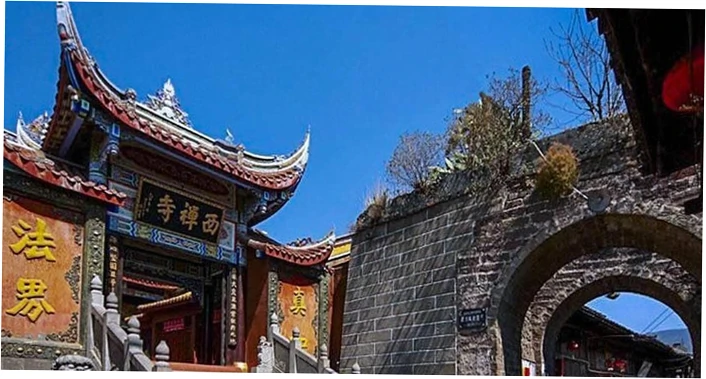
The Core Philosophy of Linji Chan
Defining True Person of No Rank
Here’s the main thing: Linji’s teaching says to drop all the concepts and go for immediate insight.He’s famous for teaching about the true person of no rank.He pushed his disciples to see their original nature, which is beyond any social or spiritual ladder.
This isn’t some abstract idea.When I visited, the monks stressed it’s about acting with real, spontaneous authenticity in your everyday life.This principle actually answers questions people search for, like What did Linji mean by kill the Buddha?
Or How do I practice no-mind today?.
How did he do it?His main tool was direct interaction.Linji would use shouts, hits, and puzzling dialogues to break his disciples logical thinking.You can read all about this method in the *Linji Lu*, which is the Record of Linji.
This in-your-face style was meant to spark a sudden awakening, what’s called *kensho*.It’s really different from just doing silent sitting, or *zazen*.For example, a beginner might wonder, Are Linji’s shouts better for me than silent meditation?
Or ask for Real examples of how Linji taught in dialogues.
Contrast with Other Buddhist Paths
Comparison to alternatives: People often compare Linji Chan to Caodong, or Soto Zen.Soto Zen really focuses on silent illumination.Caodong is all about gradual cultivation through sitting.But Linji Temple’s approach is different.
It puts dynamic inquiry, called *huatou*, and interaction with a master first.This difference is a big deal for anyone picking a practice path.That’s why you see folks searching online for things like Linji vs. Soto: which gets you enlightened faster?
Or What’s the difference between Rinzai and Soto meditation?
| Aspect | Linji Chan (Rinzai) | Caodong (Soto) |
|---|---|---|
| Main Method | It uses koan introspection, shouts, and dialogues. | It relies on silent illumination and just sitting, known as *shikantaza*. |
| What’s the Goal? | Aiming for a sudden awakening, or *kensho*. | Focuses on gradual cultivation and embodying Buddha-nature. |
| Typical Day-to-Day | Often involves intensive retreats called *sesshin* that center on koans. | Usually means daily seated meditation without any specific focus. |
| Where You Find Them Today | You’ll find Rinzai temples, like Myoshinji, mainly in Japan. | Soto temples, such as Eiheiji, are spread all over the world. |
Historical Journey and Physical Legacy
From Tang Dynasty to Modern Site
Historical trajectory: Founded in the 9th century in Zhenzhou (modern Hebei), the original Linji Temple was destroyed and rebuilt multiple times.The current site in Shijiazhuang, reconstructed in the 1980s, includes a pagoda and halls that house relics.
When I visited, the architecture felt modest compared to imperial temples, reflecting Linji’s anti-authoritarian spirit.Researchers often probe Where was the original Linji Temple located?or Archaeological finds at Linji Temple site.
Lineage transmission: Linji’s disciples spread his teachings, forming the Linji school, which later influenced Japanese Rinzai Zen under monks like Eisai. This lineage is crucial for understanding its global impact, addressed in queries like How did Linji teachings reach Japan? or List of Linji’s main disciples and their contributions.
Artifacts and Textual Heritage
Key artifacts: The temple preserves steles and the *Linji Lu*, a core text recording his sermons. Studying these, I found they offer direct insights into his methods, unlike later commentaries. For enthusiasts, questions arise: Where can I read the Linji Lu in English? or Are there authentic relics at Linji Temple today?
| Artifact | Description | Current Location/Access |
|---|---|---|
| Linji Lu (Record) | Primary text of Linji’s teachings, compiled by disciples | Translated versions available online and in print |
| Linji Pagoda | Stupa at the temple site, symbolizing his legacy | Shijiazhuang, Hebei, China; open to visitors |
| Tang Dynasty Steles | Stone inscriptions detailing temple history | On-site at Linji Temple, with replicas in museums |
Practical Impact on Meditation and Daily Life
Applying Linji’s Methods Today
Modern practice scenarios: Linji’s techniques are adapted in Rinzai Zen centers worldwide, where students work on koans like What is the sound of one hand clapping? during retreats. From my experience, this can be intense but effective for breaking mental habits. Practitioners often search How to use a koan in daily meditation or Best Rinzai Zen centers for beginners.
Adaptation for different: These methods suit those seeking rapid breakthroughs, but may overwhelm beginners without guidance. For example, a busy professional might ask, Can I practice Linji’s teachings without a teacher? while a seasoned meditator queries, Advanced koan sequences in Rinzai training.
Risks and Common Misconceptions
There are some risks, though.If you dive into these strong methods without someone guiding you, it can just lead to a lot of frustration.You might even end up using spirituality to avoid your real problems.
I’ve seen it happen.Students hear kill the Buddha and think it means they should throw out all rules and discipline.That’s a common mistake.You can tell because people search for things like dangers of Rinzai Zen or why do people give up on koan study?
Here’s a big thing to get right about Linji Chan. It’s not just about smashing icons for the sake of it. It’s actually a very disciplined path that leads to real, genuine freedom. Getting this clear helps answer questions people have, like Is Linji Chan totally against all rituals? or What do people usually get wrong about ordinary mind is the way?
Linji Temple as a Pilgrimage and Study Destination
Visiting the Temple: What to Expect
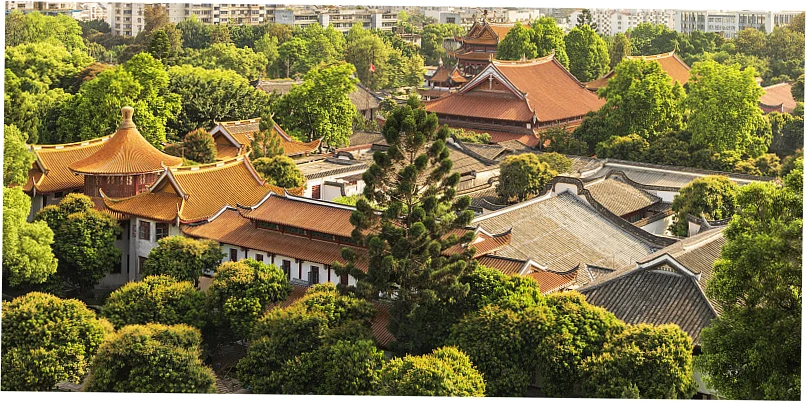
Visitor experience: The temple in Shijiazhuang offers a serene environment with chanting sessions and guided tours. When I went, it was less crowded than tourist hotspots, ideal for reflection. Travelers often inquire How to get to Linji Temple from Beijing or Best time to visit Linji Temple for ceremonies.
Study opportunities: It hosts academic conferences and Buddhist studies programs, attracting scholars investigating Linji Temple research grants or Scholarly publications on Linji lineage.
Comparative Pilgrimage Sites
Alternative destinations: Compared to Shaolin Temple (known for martial arts) or Japanese Rinzai headquarters like Myoshinji, Linji Temple focuses on doctrinal purity. This distinction informs searches like Linji Temple vs. Shaolin: which for Zen history? or Pilgrimage to Linji Temple or Eiheiji in Japan?
| Consideration | Choose Linji Temple If… | Choose Alternatives If… |
|---|---|---|
| Primary Interest | Deep study of Linji Chan texts and history | Experiencing active Zen practice or martial arts |
| Travel Logistics | You’re in northern China and prefer less crowds | You’re in Japan or seek larger monastic communities |
| Learning Focus | Academic research or foundational philosophy | Meditation retreats or cultural tourism |
Integration with Modern Psychology and Science
Evidence from Cognitive Studies
Research support: Studies on koan practice show it can enhance cognitive flexibility by challenging habitual thought patterns. For instance, fMRI research indicates increased activity in brain regions linked to insight. This data answers queries like Scientific studies on Rinzai Zen effects or Does koan meditation improve problem-solving?
Case examples: Clinicians have adapted Linji’s methods in mindfulness therapies, using paradoxical questions to reduce rigidity. Practitioners might search Therapy techniques based on Linji teachings or Case studies of koan use in counseling.
Limitations and Future Directions
But we’ve got to be honest about the limits. Most of these studies are pretty small. Plus, cultural differences might mean the findings don’t apply everywhere. Keeping this in mind helps address search questions like What are the criticisms of Zen neuroscience research? or Are Linji’s methods only for certain cultures?
Engaging with the Linji Legacy: A Step-by-Step Guide
For Beginners: Starting Your Exploration
Initial steps: First, read translations of the *Linji Lu* to grasp core ideas. Then, find a local Rinzai group or online teacher to guide koan practice. I recommend starting with simple questions like Who is hearing? rather than complex koans. This path responds to How to begin studying Linji Chan at home or First koan for beginners in Rinzai Zen.
Resource recommendations: Use apps like Zen Studies for texts and join forums like Dharma Wheel for community support. Avoid pitfalls by verifying teacher credentials, a concern in queries like How to find a legitimate Rinzai teacher or Red flags in Zen communities.
For Advanced Practitioners: Deepening Practice
Advanced: Engage in intensive retreats (*sesshin*) to work on advanced koan sequences under supervision. Document your insights in a journal, as Linji emphasized personal verification. Researchers might pursue Doctoral programs in Linji Chan studies or Grants for translating Linji texts.
CTA: To truly embody Linji’s spirit, move beyond reading—attend a retreat at a Rinzai center or visit Linji Temple yourself. Share your experiences in online communities to keep this living tradition vibrant. For next steps, explore our curated reading list or compare retreat options in our detailed guide.
FAQ: Common Questions on Linji Temple and Practice
Misconceptions and Clarifications
Is Linji Chan just about being rebellious and shouting?
No, that’s a common oversimplification. While Linji used shouts and blows, they were precise tools to jolt students out of conceptual thinking, not mere aggression. His teachings emphasize disciplined inquiry into one’s true nature, as recorded in the *Linji Lu*. Misreading this can lead to practice without grounding.
Can I practice Linji methods without a Zen teacher?
It’s pretty risky and most folks advise against it. Linji really stressed learning directly from a master. Without a guide, you could easily misunderstand koans or fall into spiritual bypassing. Begin with a qualified teacher, even an online one, to steer clear of problems like getting frustrated or missing the main points.
Comparative and Practical Queries
What’s the difference between Linji Temple and Rinzai Zen temples in Japan?
Linji Temple in China is the historical origin site, focusing on heritage and academic study, while Japanese Rinzai temples (e.g., Myoshinji) are active practice centers with evolved rituals. If you seek living practice, visit Japan; for historical insight, China’s temple offers unique artifacts.
How long does it take to solve a koan in Rinzai training?
It varies widely—from days to years—depending on the koan and individual. Simple koans might take weeks, while advanced ones require deep introspection. Progress isn’t linear; regular guidance from a teacher is crucial to navigate this process effectively.
Risks and Adaptations
Are there any psychological risks to intense koan practice?
Yes, potential risks include anxiety, confusion, or spiritual bypassing if done without proper support. Those with mental health conditions should consult a professional before starting. Always practice under supervision to mitigate these issues, as highlighted in clinical case studies.
How can busy professionals adapt Linji teachings?
Integrate short koan reflections into daily routines—e.g., ponder What is this? during breaks. Use apps for guided sessions and attend occasional retreats. This makes it accessible without full monastic commitment, balancing modern life with spiritual inquiry.
Cost and Effectiveness
What are the costs associated with visiting Linji Temple or joining a retreat?
Getting into Linji Temple itself is pretty cheap—less than five bucks.But remember, you’ve gotta get yourself to China, and that adds up.As for Rinzai retreats, prices can go from fifty bucks all the way up to five hundred.
It depends on how long they are and where they’re held.Just weigh those costs against what you get out of it, like deeper insight.Lots of folks think the money is totally worth it for such a life-changing experience.
Related Articles
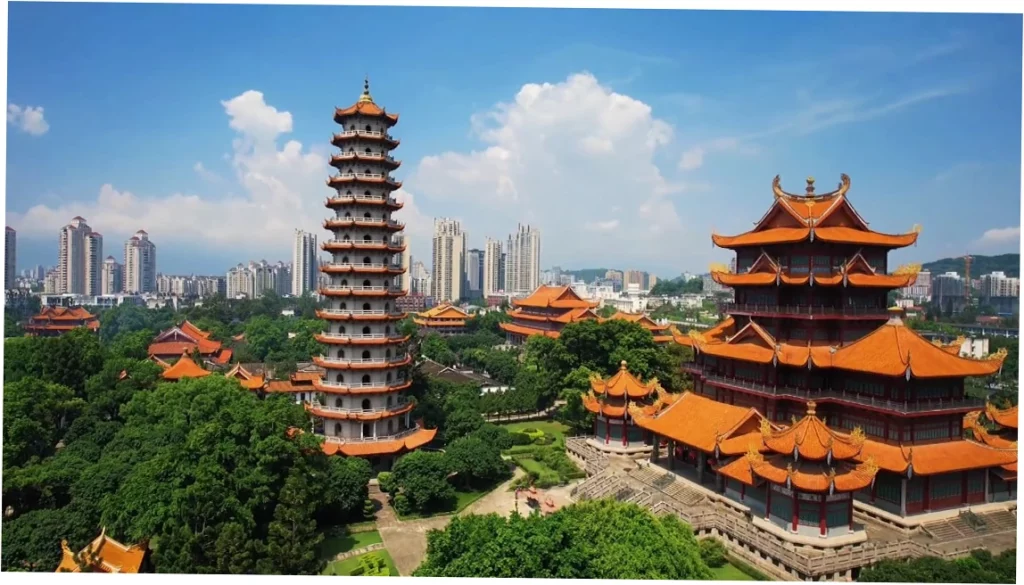
Best Routes to Xichan Temple?
Want to get to Xichan Temple? It's a famous Buddhist temple in Fuzhou, China….
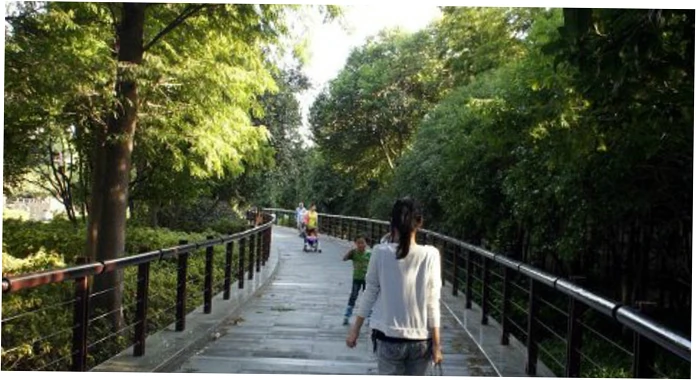
Where is Xichan Ancient Temple located?
Xichan Ancient Temple is a really important old Buddhist temple in Fuzhou, China. It's…
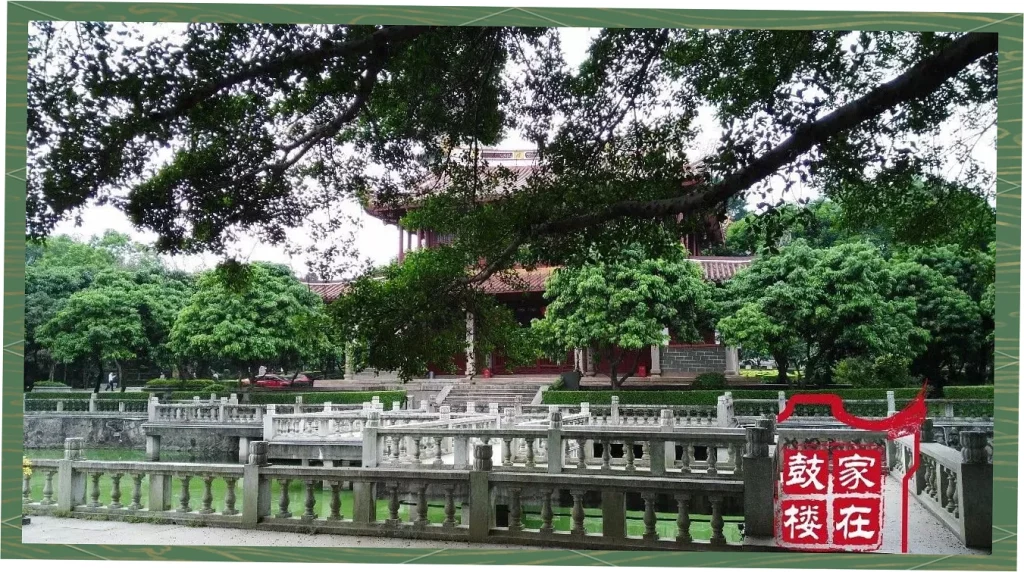
What makes Xichan Temple a must-visit destination?
You really should check out Xichan Temple. It's an amazing place with so much…
Who founded Xichan Temple originally?
who built Xichan Temple? Well, it all started back in the Tang Dynasty. A…