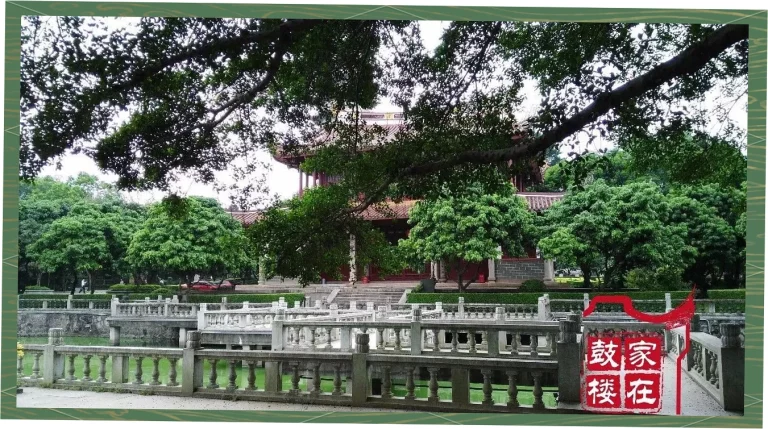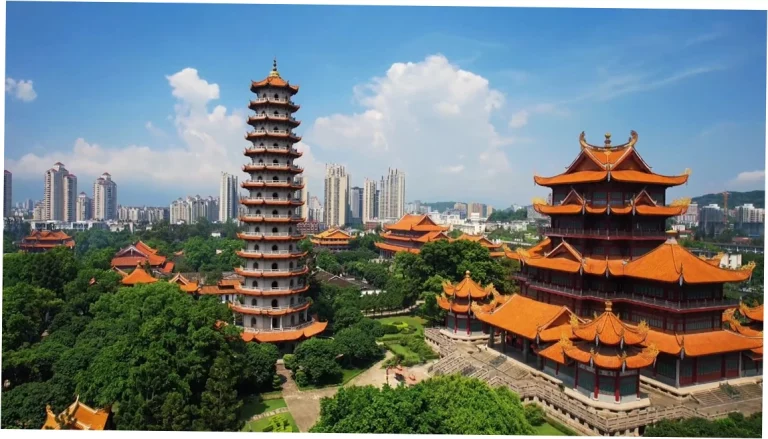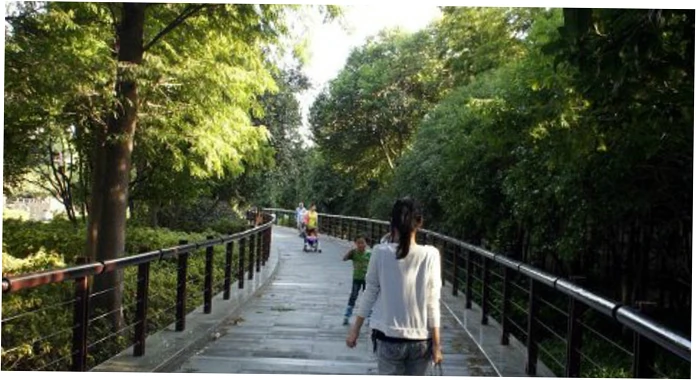
Who founded Xichan Temple originally?
who built Xichan Temple? Well, it all started back in the Tang Dynasty. A famous monk and Zen master named Xuefeng Yicun, who lived from 822 to 908 AD, first founded the temple in Fuzhou, Fujian. Later on, a local ruler called Wang Shenzhi really stepped up. He became a major patron and helped expand the temple a lot.
Table of Content
Founder: The Tang Dynasty Monk Xuefeng Yicun
Xuefeng Yicun’s Life and Legacy
Core Figure: Xuefeng Yicun was a pivotal figure in the development of Chan Buddhism during the late Tang period. A disciple of the renowned master Deshan Xuanjian, Xuefeng’s teachings later influenced the formation of the Yunmen and Fayan schools.
two of the Five Houses of Chan. His decision to establish a monastic center on Xishan (West Mountain) in Fuzhou was driven by a search for a serene environment conducive to meditation and teaching.
Historical records, such as the *Jingde Chuandeng Lu* (Jingde Era Transmission of the Lamp), document his activities here, cementing his role as the temple’s spiritual founder and first abbot.
The Site Selection and Early Construction
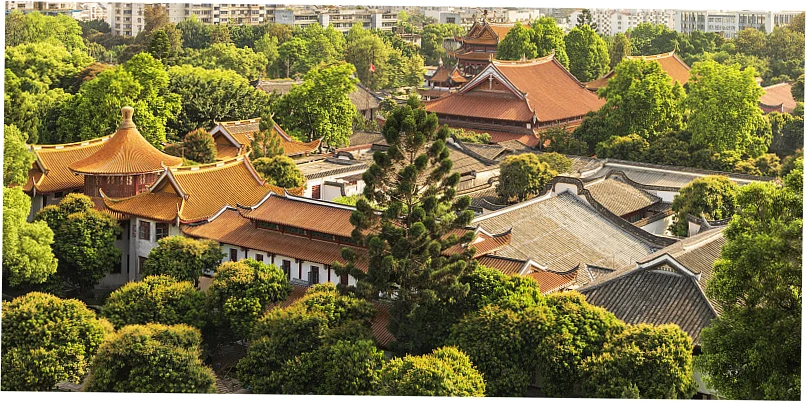
When they first started building Xichan Temple, they kept things simple. The goal was just to make a practical place for monks to live and practice. They chose the site because it was naturally beautiful and secluded.
This fit right in with Chan Buddhism’s idea of being in harmony with nature. The early buildings probably had a main Buddha hall, some meditation halls, and living quarters for the monks.
From what archaeologists and old temple records tell us, the original layout was pretty standard for Tang Dynasty temples. It was symmetrical and blended in well with the mountain landscape.
this early period, with Xuefeng in charge, really set the tone for both the teachings and the look of the temple for years to come.
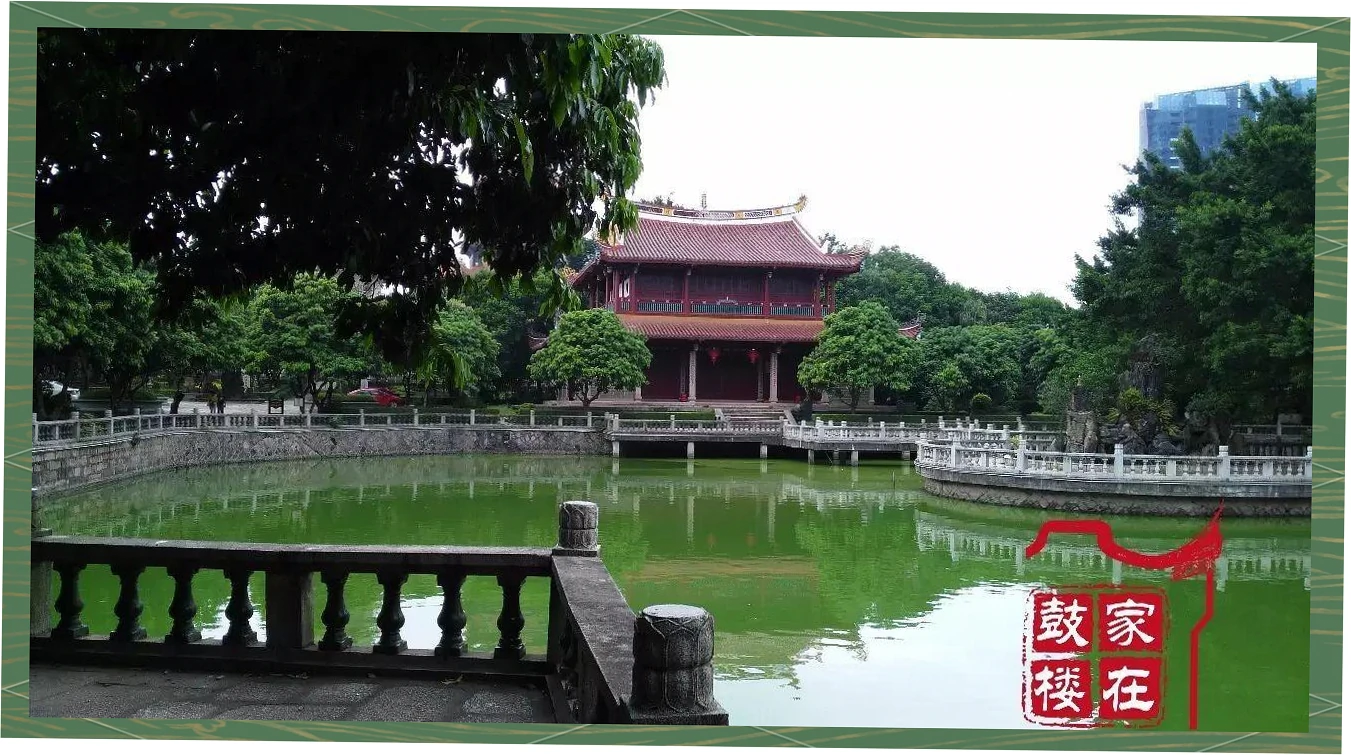
Patron: The Min Kingdom Ruler Wang Shenzhi
Wang Shenzhi’s Role as a Royal Benefactor
Imperial Patronage: While Xuefeng Yicun founded the religious community, the temple’s transformation into a major institution was largely due to the patronage of Wang Shenzhi (862-925 AD).
the founding ruler of the Min Kingdom during the Five Dynasties and Ten Kingdoms period. As a devout Buddhist, Wang Shenzhi sought to legitimize his rule and promote cultural prosperity through religious patronage.
He provided substantial funds, land grants, and resources for large-scale construction. This royal endorsement elevated Xichan Temple from a local monastery to a state-supported center of Buddhist learning and practice.
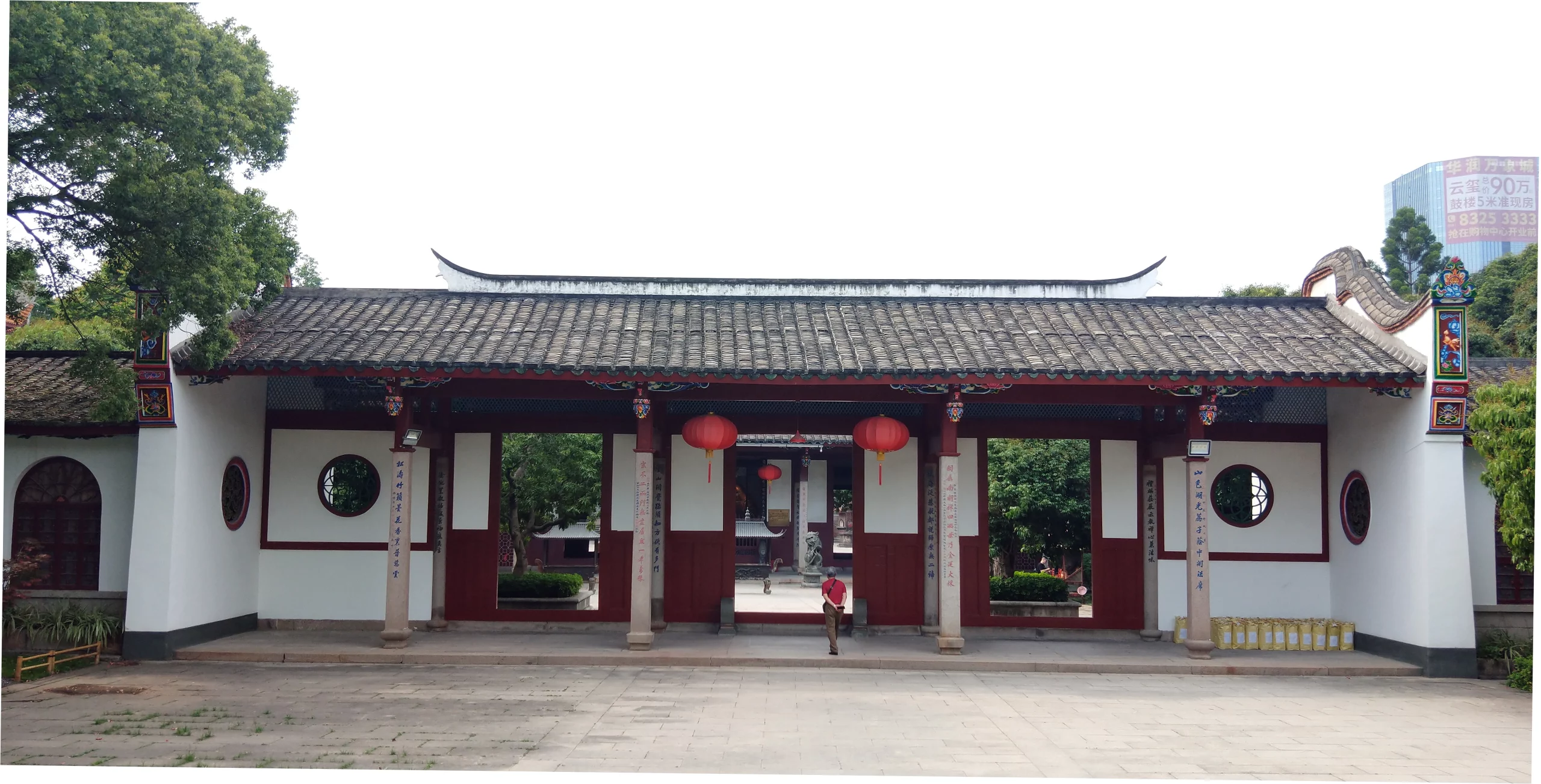
Expansion and Institutionalization
On the building side, Wang Shenzhi’s support let them expand the temple complex in a big way. They put up new halls, pavilions, and libraries. People also credit him with making the temple’s name official and helping to get Buddhist texts compiled.
During this time, the temple’s influence really took off. It started drawing in scholars and monks from all over China. The teamwork between spiritual leader Xuefeng and ruler Wang was key.
Xuefeng laid down the religious foundation, and Wang provided all the money and materials needed for the temple to grow and last.
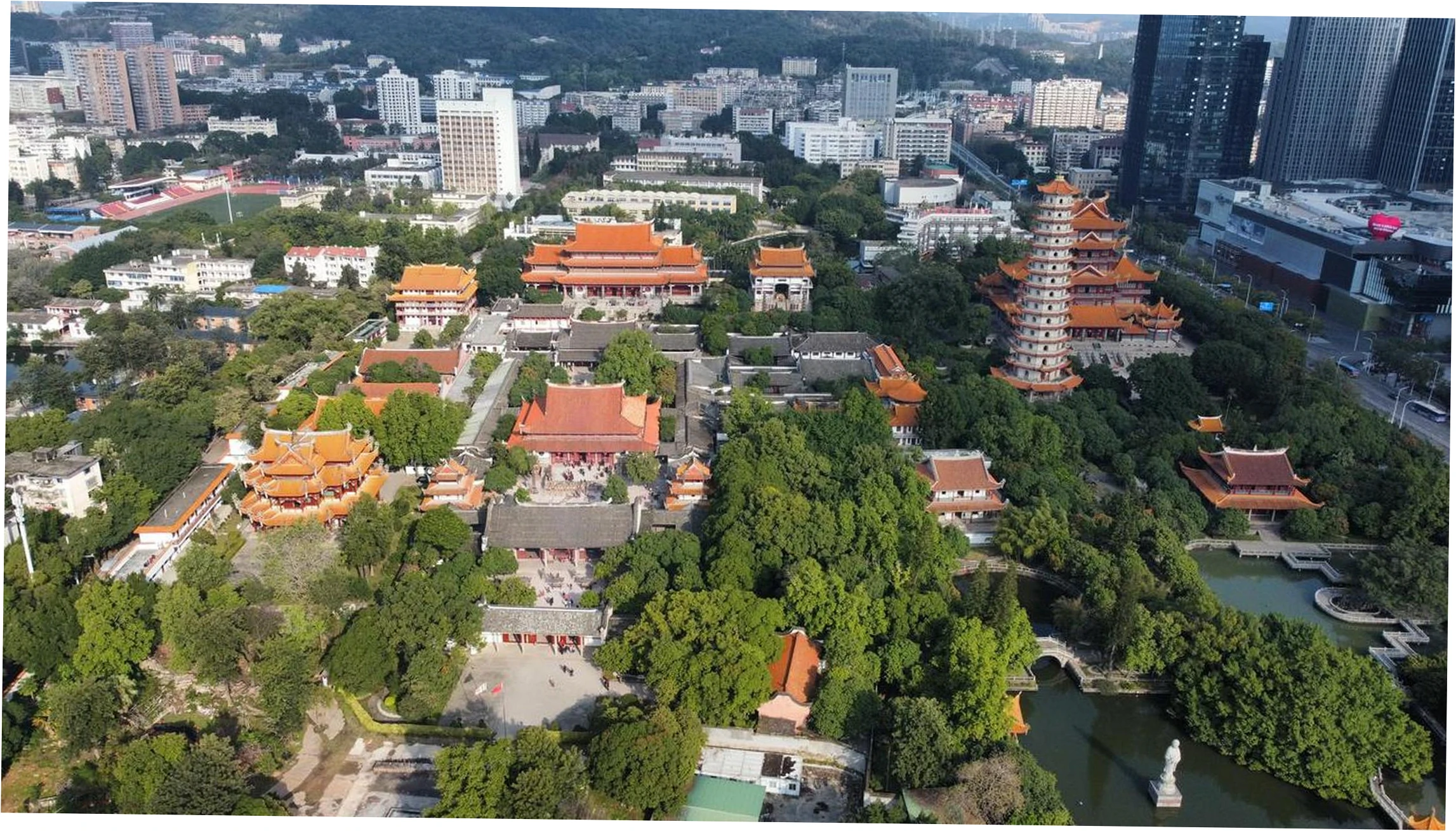
Historical Evolution Through Dynasties
Song, Ming, and Qing Dynasty Contributions
Continuous Development: The temple’s history did not end with its Tang and Five Dynasties founders. It underwent repeated renovations and expansions throughout subsequent dynasties. The Song Dynasty saw further scholarly activities.
Major reconstructions occurred in the Ming Dynasty after periods of damage. The Qing Dynasty, particularly under the Kangxi and Qianlong emperors, left a strong imprint, with new steles, inscribed plaques, and architectural additions.
Each era contributed layers to the temple’s physical and cultural fabric, making its construction a cumulative historical process rather than a single event.
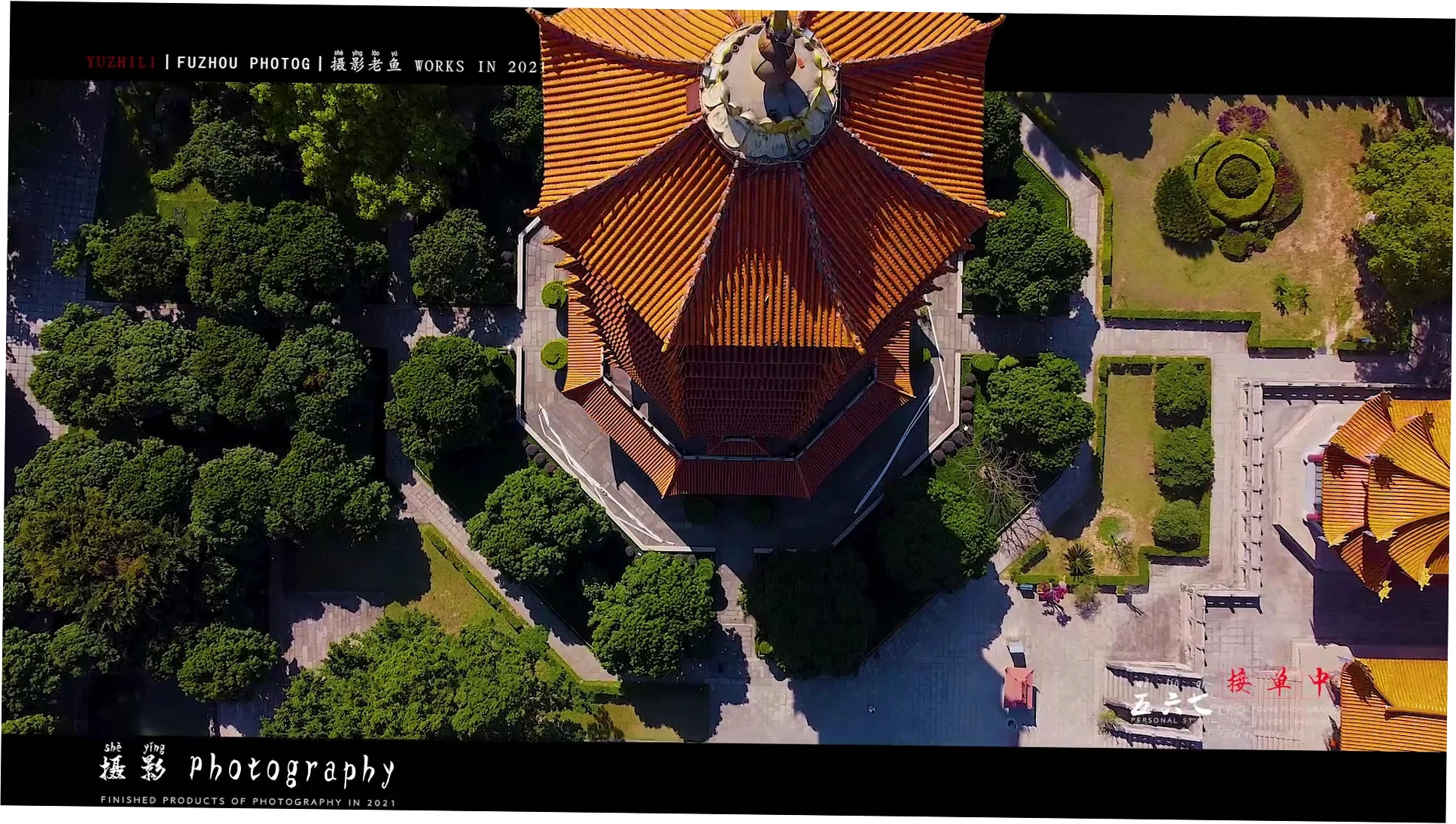
Modern Restoration and Preservation
Jumping to the 1900s, Xichan Temple, like a lot of old places, had a rough time. It started falling apart and even got damaged, especially around the middle of the century. The reason it looks so amazing now is because of a huge restoration project.
That all kicked off in the 1980s and they’re still working on it today. The Fuzhou city government and local Buddhist groups have been leading the charge.
They’ve carefully rebuilt the halls, fixed up the statues, and made sure the really old trees are protected. All this modern rebuilding just goes to show how much people still value this place. And it all traces back to that site originally set up by Xuefeng Yicun and supported by Wang Shenzhi.
Architectural and Cultural Significance
Key Architectural Features and Layout
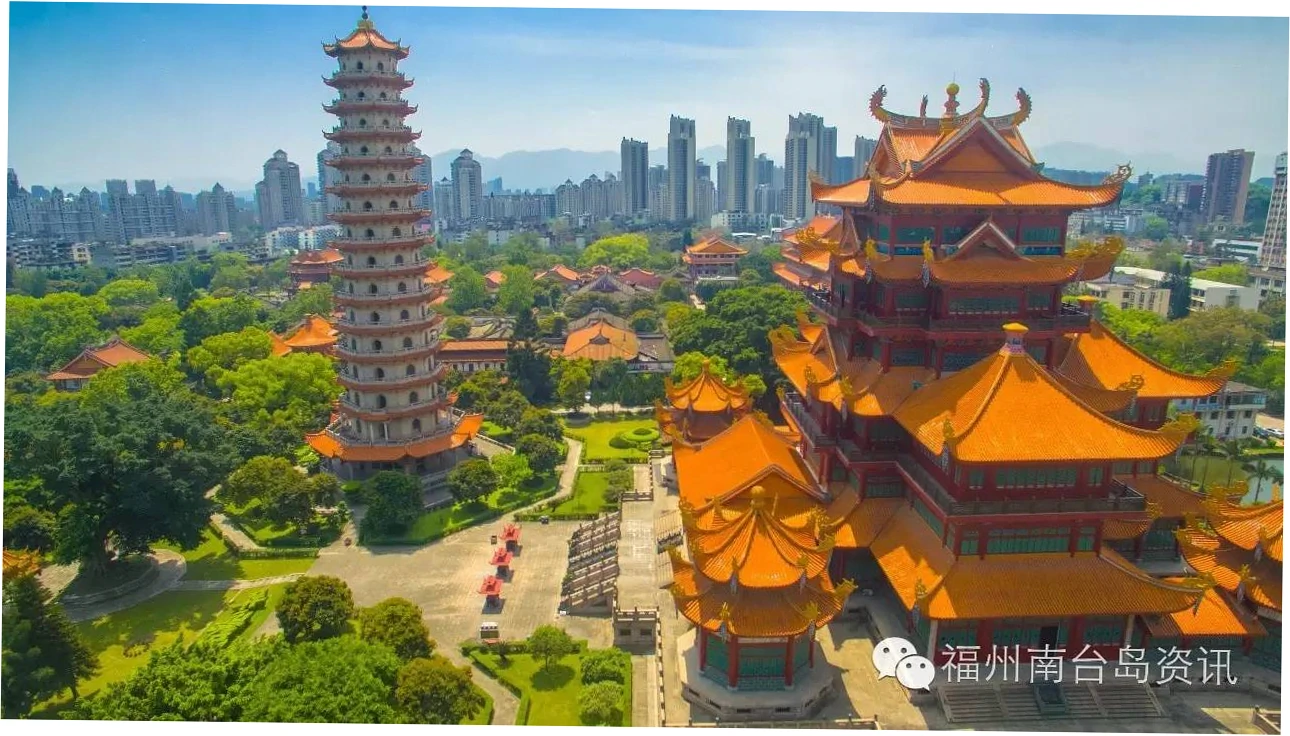
Structural Heritage: The temple complex showcases a blend of architectural styles from different periods. The axis includes the Mountain Gate, Heavenly King Hall, Main Buddha Hall, and Dharma Hall.
A standout feature is the exquisite pair of stone pagodas from the Song Dynasty, which are key cultural relics. The layout follows traditional Chinese monastic design, promoting a journey from the profane to the sacred.
The following table summarizes some major architectural components and their estimated construction or significant renovation periods:
| Structure | Primary Period | Notable Characteristics |
|---|---|---|
| Main Buddha Hall (Daxiong Baodian) | Tang Foundation, Qing Renovation | Houses the Three Buddhas, intricate wooden bracketing |
| Stone Pagodas (East West) | Song Dynasty (c. 11th Century) | Octagonal, seven-story, over 700 Buddhist relief carvings |
| Hall of Heavenly Kings | Ming/Qing Reconstruction | Guarded by Four Heavenly Kings statues |
| Monk’s Quarters Meditation Halls | Various periods, modern restoration | Reflects functional monastic living spaces |
Role in Chinese Buddhist History
But it’s more than just buildings. Xichan Temple was really important as a birthplace for Chan Buddhism. This was the home monastery for the master Xuefeng Yicun. That made it a crucial spot for passing down Chan Buddhist teachings.
People came here to teach, debate, and meditate. Its influence on Buddhist thinking spread all over Southeast China. The temple was also a cultural center. It was a place where people shared poetry, calligraphy, and painting.
Its library used to hold really valuable sutras. it was both a spiritual powerhouse and a cultural salon. This double role worked because of the vision of who built Xichan Temple and the steady support it got afterwards.
Visitor Experience and Key Highlights
What to See at the Temple Today
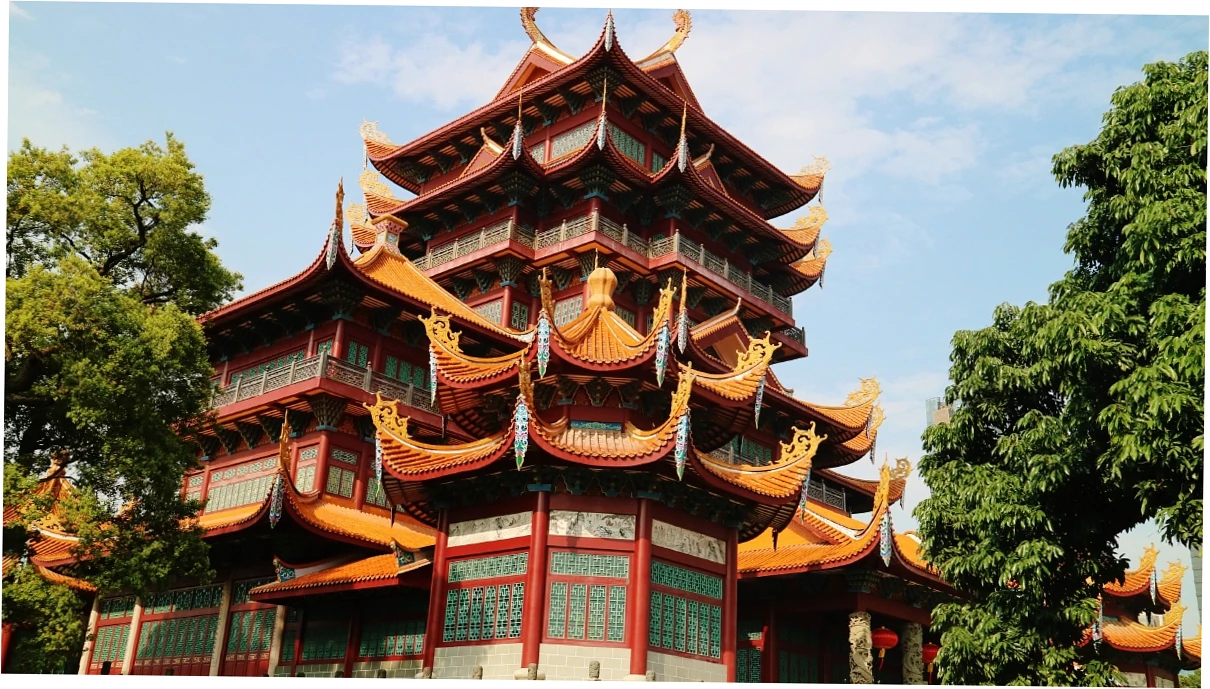
Must-See Relics: For modern visitors, the temple offers a tangible connection to its founders. The ancient banyan trees in the courtyards are said to date back to the Tang period.
The Song Dynasty stone pagodas, covered in detailed carvings of Buddhas, bodhisattvas, and narratives, are unparalleled masterpieces. The main halls contain statues reflecting centuries of artistry.
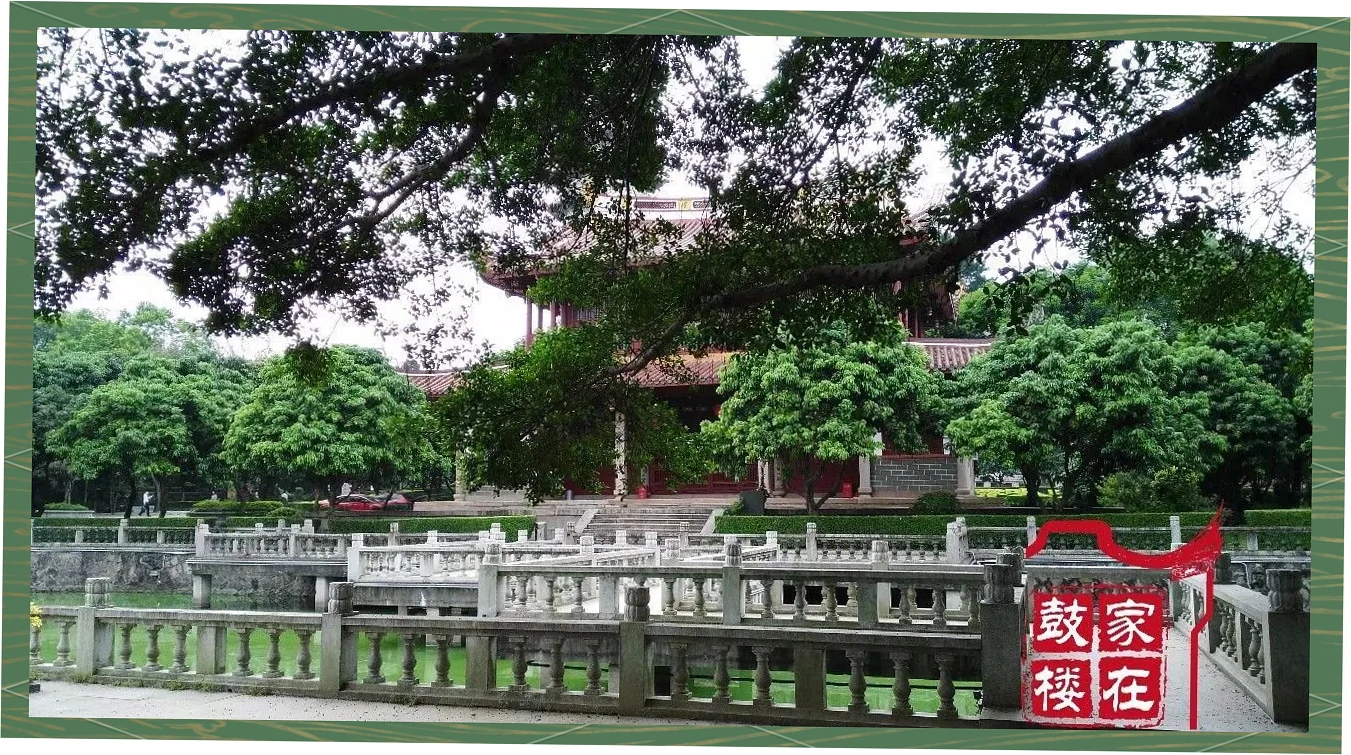
The tranquil gardens and tea houses continue the tradition of scholarly retreat. I recall the awe of standing before the pagodas, imagining the artisans who carved them under the patronage of Wang Shenzhi’s successors.
Practical Tips for Your Visit
Here’s a tip: if you want to really get a feel for the place that Xuefeng Yicun founded, you should plan on spending at least half a day there. Try going early in the morning to beat the crowds and soak in the peaceful vibe.
Make sure you wear comfy shoes because the whole temple complex is built on a slope. If you get a chance, chat with the monks who live there. They often have really interesting stories to tell about the temple’s past.
Oh, and definitely don’t skip the gardens at the back. It’s pretty easy to get to the temple from downtown Fuzhou. You might want to pair your visit with a trip to the nearby Fujian Museum to get a bigger picture of the history. Just remember, it’s still a working place of worship, so be respectful while you’re there.
| Aspect | Details | Notes/Tips |
|---|---|---|
| Location | Gushan (Drum Mountain) Road, Fuzhou, Fujian | It’s actually part of the whole Gushan scenic spot. |
| Best Time to Visit | Spring (Mar-May) Autumn (Sep-Nov) | The weather’s nice then, and you’ll either see lots of green plants or clear blue skies. |
| Key Highlights | Song Stone Pagodas, Ancient Banyans, Main Halls | You should spend most of your time checking out the pagodas and the central part of the temple. |
| Cultural Context | Founded Tang, expanded by Min Kingdom, renovated Qing/modern | It helps if you read up a little on Xuefeng Yicun and Wang Shenzhi before you go. |
Conclusion and Call to Action
who actually built Xichan Temple? Well, the answer isn’t simple—it’s got layers. It started back in the Tang Dynasty with Chan master Xuefeng Yicun. But the real construction, on a massive scale, happened thanks to funding from Wang Shenzhi, the ruler of the Min Kingdom. Later dynasties kept adding to it, and modern restorers have pitched in too. That’s how we got the amazing temple we can visit now. Basically, the temple shows how spiritual goals and royal support worked together throughout Chinese history.
Ever been to a historical place and felt really connected to the people who started it? Tell us about it in the comments! If you love stories about old Chinese temples, check out our deep dive into the architectural secrets of Fujian’s Buddhist monasteries.
FAQ About Who built Xichan Temple?
Who was the main founder of Xichan Temple?
The primary founder was the Tang Dynasty Chan (Zen) Buddhist monk Xuefeng Yicun (822-908 AD). He established the original monastic community on the site in the 9th century, laying the spiritual and initial physical foundations for what would become Xichan Temple.
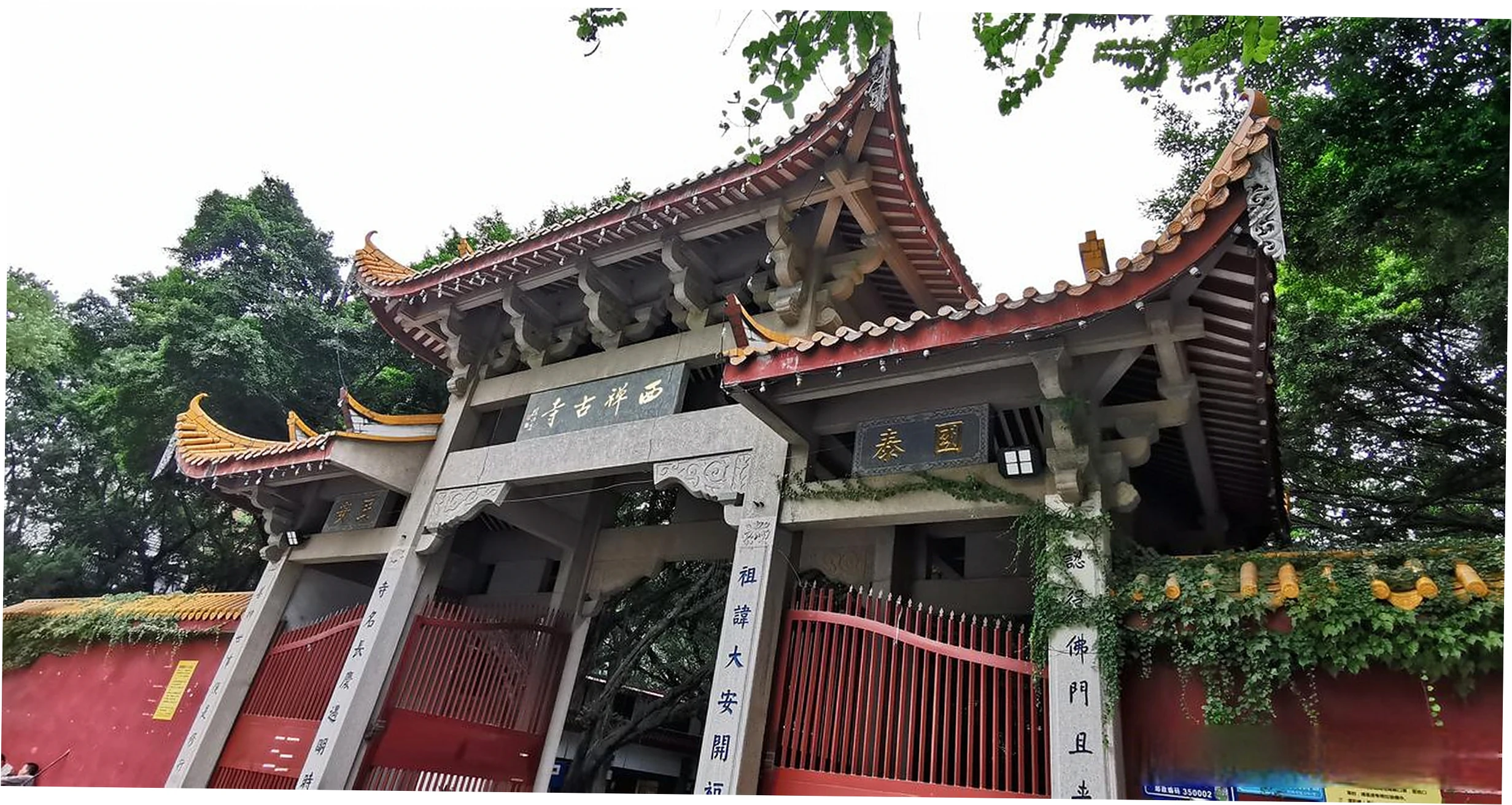
What role did Wang Shenzhi play in building the temple?
Wang Shenzhi, ruler of the Min Kingdom, acted as the key royal patron and benefactor. He provided extensive funding and resources for major expansion projects during the Five Dynasties period, transforming the temple from a modest monastery into a large, influential religious center.
What is the most famous feature of Xichan Temple?
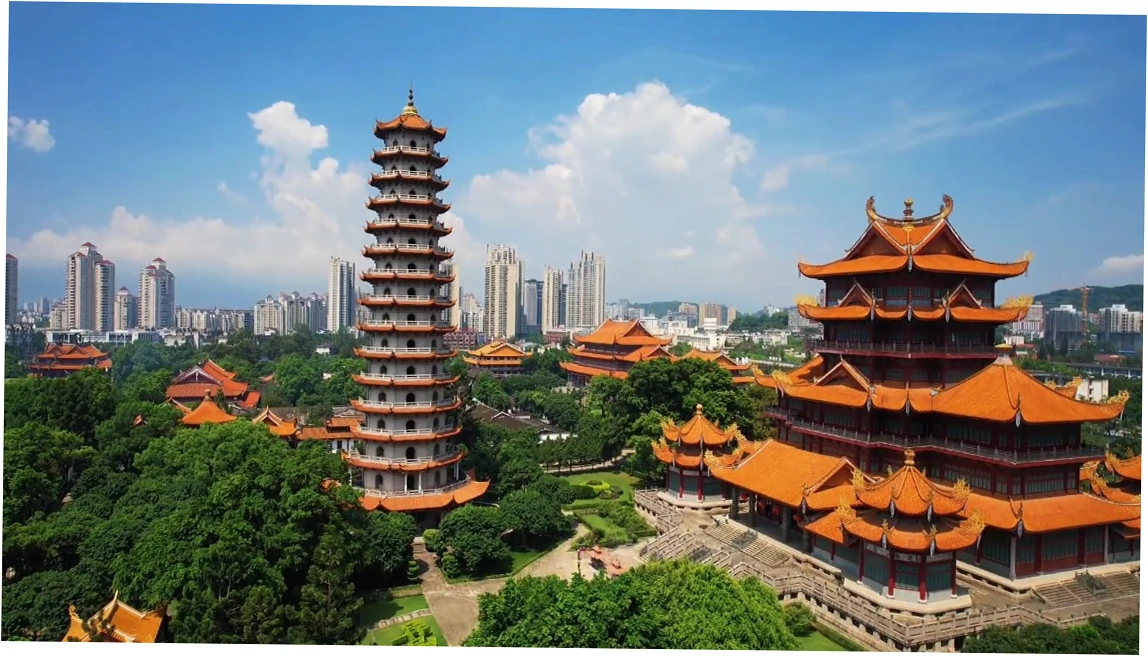
The most renowned features are the pair of exquisitely carved stone pagodas dating from the Song Dynasty (c. 11th century). They are considered national treasures and are covered with over 700 intricate Buddhist relief sculptures.
Can visitors still see elements from the original Tang Dynasty construction?
Okay, so most of the buildings you see now were rebuilt later, like in the Ming, Qing, or even modern times. But the basic layout and the spot it’s on? That still follows the original Tang Dynasty plan.
Oh, and some of the really old banyan trees in the courtyards? People think they’ve been there since the temple’s early days.