Nanjing Road: Shanghai’s Shopping Boulevard?
you’re looking up Nanjing Road pedestrian street. You’re probably asking yourself, is this famous Shanghai street really worth my time? Let me be straight with you. It’s a must-do if you want to feel the commercial pulse of modern Shanghai. But here’s the thing: whether you’ll love it totally depends on what you want. Don’t go expecting a quiet, cultural stroll. It’s more like a buzzing, full-on show of shopping and city life.
Here’s what we’ll cover:
Defining the Entity: What Exactly Is It?
Core Identity and Historical Mechanism
Historical Evolution as a Commercial Engine: Nanjing Road isn’t just a street; it’s a living economic timeline. Its mechanism transformed from a colonial trading hub in the 1840s (the Bund end) into a symbol of national retail in the early 20th century, culminating in its 1999 pedestrianization—a deliberate Urban Planning tool to boost tourism, pedestrian safety, and retail density. This shift from a traffic-clogged artery to a car-free zone fundamentally altered its function, turning it into a high-capacity pedestrian funnel designed for leisure spending and brand exposure.
Physical and Commercial Anatomy
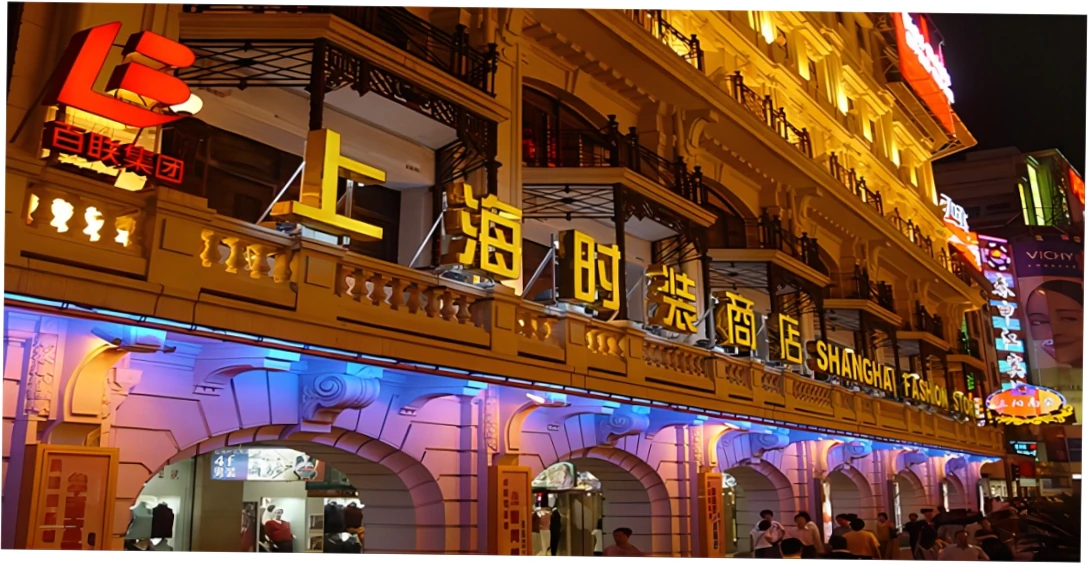
Spatial Segmentation and Offerings: Understanding its layout is key to navigating its offerings. It’s cleaved into two distinct personalities: East Nanjing Road, dominated by massive flagship stores like the iconic Shanghai No.1 Department Store and modern malls, and West Nanjing Road, hosting luxury boutiques (Cartier, Louis Vuitton) near the Jing’an Temple area. The pedestrianized section primarily refers to East Nanjing Road. A user planning their day might search, What’s the difference between East and West Nanjing Road shopping? or Nanjing Road pedestrian street map and main store locations.
Comparative Analysis: How It Stacks Up Against Alternatives.
Vs. Other Shanghai Shopping Cultural Hubs
Nanjing Road has its own unique feel. Comparing it helps you choose where to go. Compared to Xintiandi’s renovated stone-gate house aesthetic and dining focus, Nanjing Road is about scale and accessibility. Versus Huaihai Road’s understated, upmarket chic, it’s unabashedly mainstream. For authentic, chaotic local market energy, Yuyuan Bazaar and the surrounding old streets offer a more traditional feel. A traveler deciding might ask, Is Nanjing Road or Xintiandi better for authentic Shanghai atmosphere? or Shopping in Shanghai: Nanjing Road vs. Huaihai Road for luxury brands.
| Destination | Primary Vibe | Best For | Crowd Level | Price Range |
|---|---|---|---|---|
| Nanjing Road Pedestrian Street | Grand, Historic, Commercial Spectacle | First-time visitors, mainstream brand shopping, night lights | Very High | Mid to High (Mass-Market to Luxury) |
| Xintiandi | Boutique, Cosmopolitan, Dining-Centric | Alfresco dining, photography, trendy cafes, history blends | Moderate to High | High |
| Tianzifang | Bohemian, Artsy, Maze-Like | Unique souvenirs, small art studios, quirky cafes, local crafts | High (narrow alleys) | Low to Mid |
| North Sichuan Road | Local, Value-Oriented, Lively | Budget-friendly fashion, local street food, everyday Shanghai life | High (mostly locals) | Low to Mid |
The Pedestrian Street Concept: A Broader Context
Beyond Shanghai: As a model, it’s part of a global urban trend. It shares DNA with Barcelona’s Las Ramblas (though less leafy) and Tokyo’s Omotesando (though more mass-market). Within China, it’s often compared to Beijing’s Wangfujing or Chongqing’s Jiefangbei. These comparisons help users gauge expectations: Is Nanjing Road pedestrian street similar to Singapore’s Orchard Road? or Most famous pedestrian shopping street in China comparison.
User Scenarios Audience Fit: Who Should Go and When?
Ideal Visitor Profiles and Trip Integration
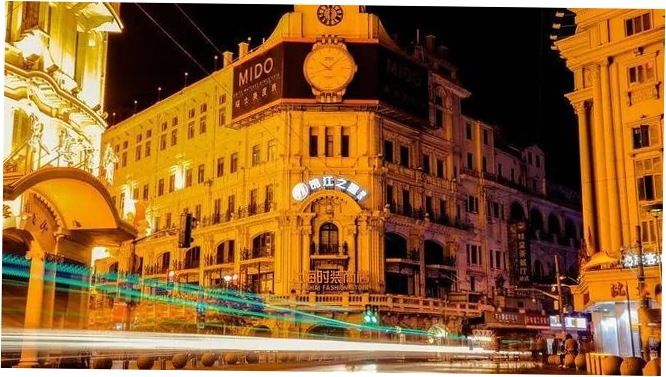
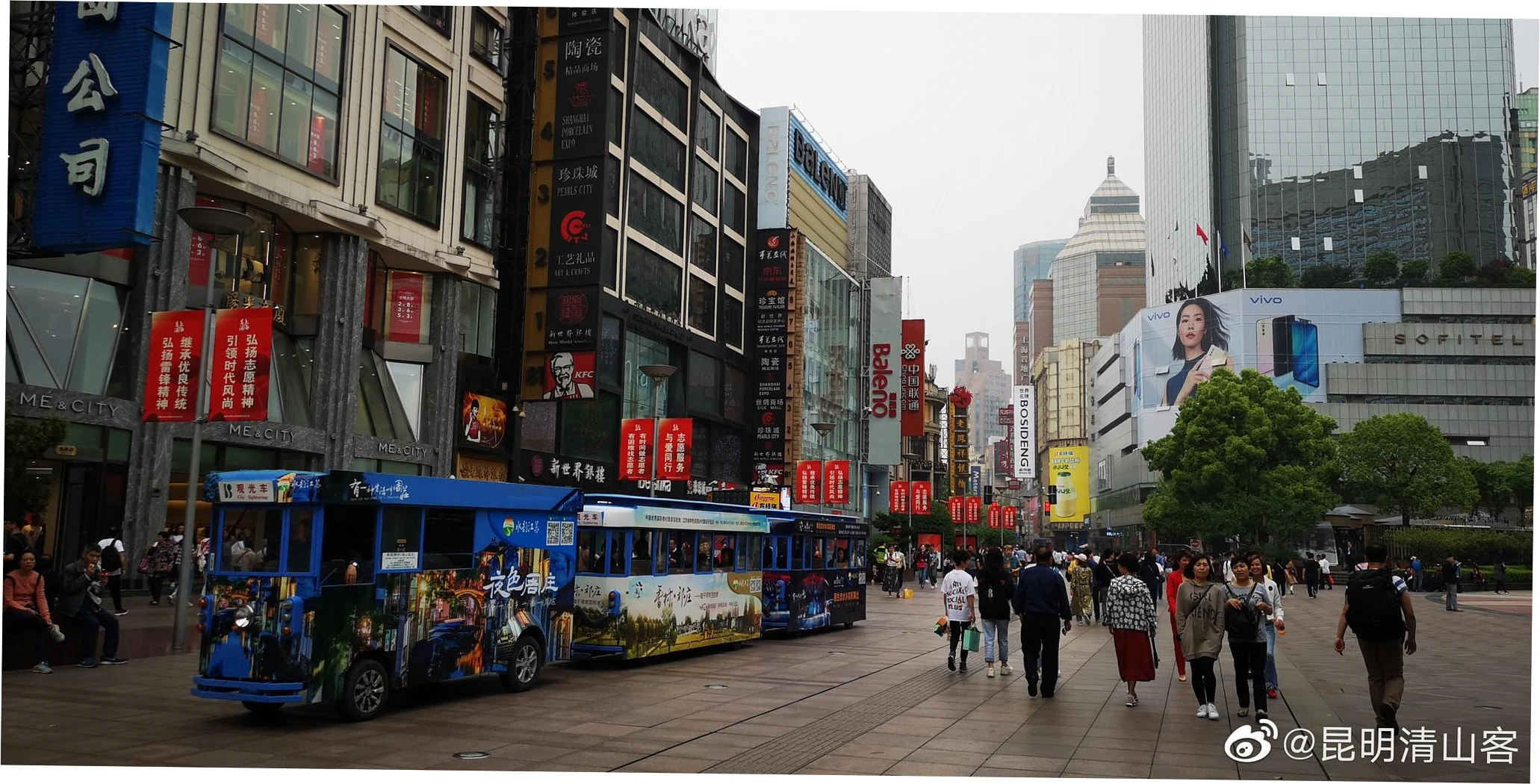
First-Time Tourists and Urban Experience Seekers: It’s practically mandatory for first-time visitors. The sheer visual spectacle—neon signs, endless crowds, historic architecture—delivers a concentrated dose of Shanghai’s metropolitan energy.
It’s perfectly paired with a visit to The Bund; you can walk from one to the other. Families might appreciate the ease of strolling without traffic, though they should be wary of peak-hour crowds.
A family planner might search, Is Nanjing Road pedestrian street stroller-friendly with kids? or Best time to visit Nanjing Road to avoid huge crowds.
Niche Interests and Specialized Itineraries
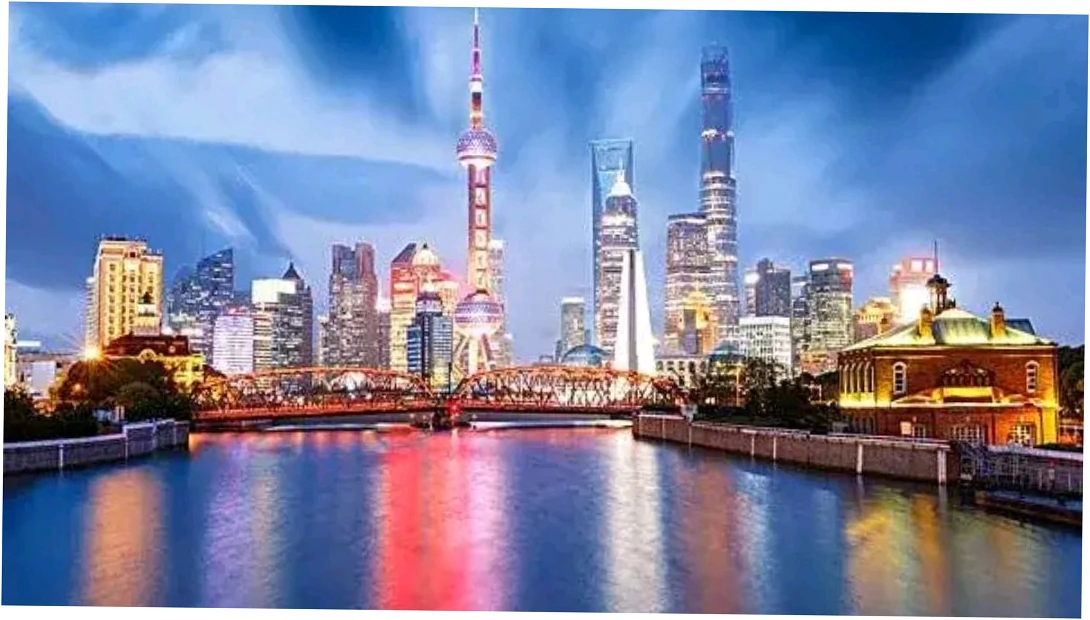
For architecture lovers and retail history fans, it’s more than shops. It’s like an open-air museum of 20th-century architecture, with Art Deco and Neoclassical buildings. The Shanghai History Museum (located in the base of the Oriental Pearl TV Tower, nearby) provides crucial context. Photography fans go there to get those iconic night shots. But if you’re looking for deep cultural immersion or a quiet, old-Shanghai feel, you might find it a bit lacking. A photographer might ask, Best spots for photography on Nanjing Road at night.
| what kind of visitor are you? | Here’s what you should do. | The best time to go is. | Plan to spend about. | You can also check out nearby spots like. |
|---|---|---|---|---|
| If it’s your first time visiting Nanjing Road pedestrian street. | You’ll want to walk the whole street, hop on the sightseeing train, check out the big brand stores, and see the lights at night. | Head there from late afternoon into the evening. | A couple of hours should do it, maybe two to three. | Pair your visit with The Bund or People’s Square. |
| Now, for the serious shoppers hitting Nanjing Road pedestrian street. | Head to the West End for luxury brands and the East End for department stores. Don’t forget to compare prices. | Try going on a weekday morning. | 3-4 hours | You can also visit Jing’an Temple or the Plaza 66 mall nearby. |
| If you’re into culture and history on Nanjing Road pedestrian street. | Take time to admire the old building fronts, pop into the Shanghai History Museum, and read the historical signs. | Mornings are best for this. | A nice walk for one or two hours is perfect. | Combine it with the Shanghai Museum or a stroll through the Former French Concession. |
| Calling all foodies at Nanjing Road pedestrian street. | Seek out the classic old-brand restaurants like Shen Da Cheng, and skip the generic snack stalls. | Just go whenever you’re hungry. | An hour or two is plenty for eating. | For more food, head over to Yunnan Road Food Street. |
Risks, Limitations, and Common Pitfalls
Operational and Experience Risks
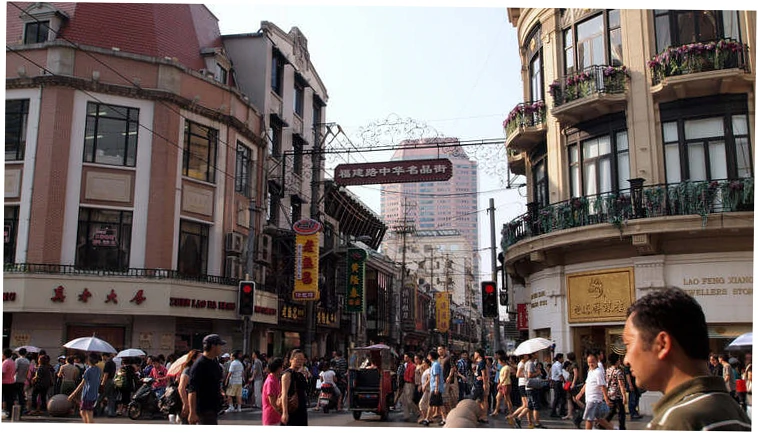
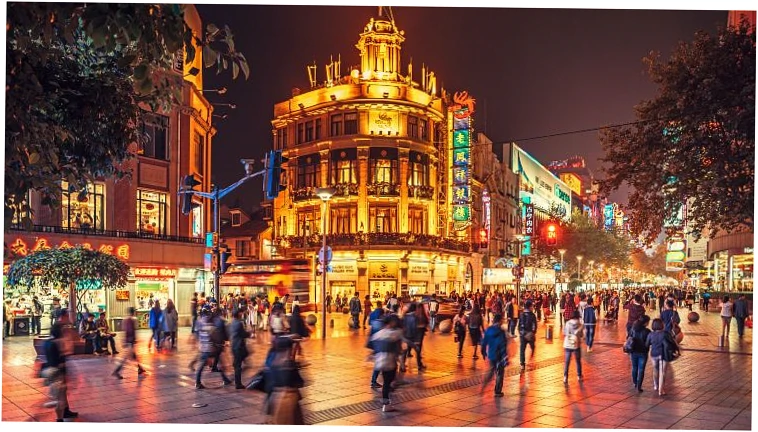
Crowds, Pickpocketing, and Sensory Overload: The primary risk is the intense human density, especially on weekends and holidays, which can be overwhelming and increases petty theft risk. The commercial environment is highly homogenized.
you’ll find the same international brands repeated. A common pitfall is expecting unique, local shopping—it’s largely mainstream. Users concerned about safety might search.
Is Nanjing Road pedestrian street safe at night for solo travelers? or How to avoid pickpockets on crowded Nanjing Road.
Value and Authenticity Misconceptions
Lots of visitors think Nanjing Road pedestrian street is overrated. They come looking for real local culture, but it’s really more of a giant shopping hub. The food can be a real trap too.
Generic street stalls sell snacks that are both pricey and not that great. Don’t expect to haggle in the proper stores here; that’s not really how it works.
A disappointed visitor might later search, Why is Nanjing Road pedestrian street so overrated? or Where to find real local food near Nanjing Road, not tourist traps.
Data, Evidence, and Case Insights
Quantifying the Phenomenon
Traffic Numbers and Economic Impact: Pre-pandemic data indicated over 1 million daily visitors on peak holidays, making it one of the world’s busiest commercial streets.
A 2018 study by the Shanghai Commercial Economic Research Center highlighted its role in driving retail clustering, attracting flagship stores whose sales per square meter far exceed city averages. This isn’t just a street; it’s a high-performance retail engine.
Case Study: The Pedestrianization Effect
Before-and-After Analysis: Research published in the Journal of Urban Planning and Development on similar Chinese pedestrian streets shows a clear pattern.
pedestrianization typically leads to a 15-30% increase in retail turnover within 2 years but can also displace local, smaller businesses due to rising rents. You can see this happening on Nanjing Road pedestrian street.
Big international chain stores are everywhere now. Basically, everything is set up to get tourists to spend money.
| Risk Category | Specific Risk | Mitigation Strategy | Alternative If Risk-Averse |
|---|---|---|---|
| Crowds Safety | It gets super crowded, watch out for pickpockets, and you might get tired. | Go on a weekday morning, carry a bag across your body, and duck into the side streets to take a breather. | Explore the parallel, quieter Fuzhou Road (Book Street) |
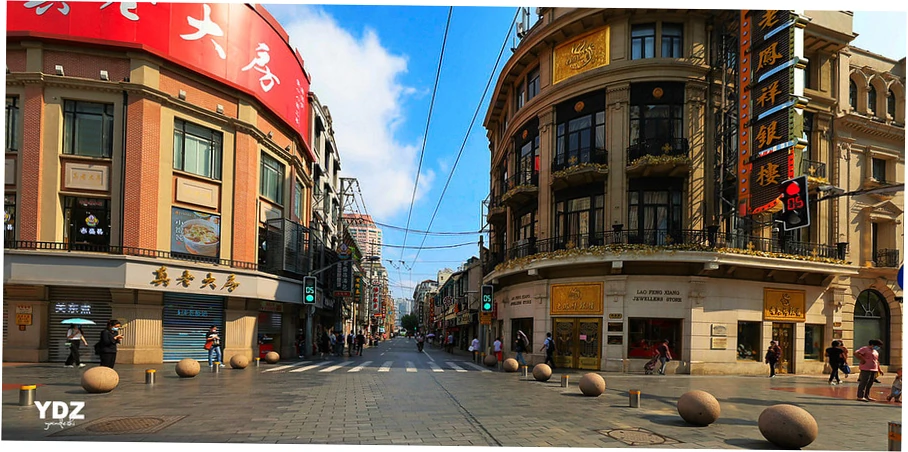
| Commercial Disappointment | You’ll find lots of common chain stores, souvenirs are pricey, and it doesn’t feel very authentic. | Go for the big show, not for hidden gems. Look up some of the old famous shops beforehand, like Lao Feng Xiang. | Go to Tianzifang or AP Plaza (fake market) for different vibes |
| Logistical Hassles | Taxis are hard to find, and the metro stations are packed. | Walk to the next street over to catch a cab. For the metro, use an exit that’s not right in the middle of it all, like Exit 19 at People’s Square. | Another option is to grab a shared bike to get away from the area. |
| Dining Value | The food around there is often not great and costs too much, typical tourist traps. | Eat at established restaurant buildings or walk 10 mins to Yunnan Road | You could also just plan to have your meals in the French Concession or Jing’an area. |
A Practical Decision and Navigation Framework
The Step-by-Step Decision Path
To Go or Not to Go? A Flowchart in Text: 1. Assess your trip priority: Iconic spectacle convenience (Yes) / Deep, quiet culture (No → Try French Concession). 2. Allocate time: Dedicate an evening for lights and energy, not a full day. 3. Plan your route: Start at People’s Square Metro, walk east to The Bund for the classic approach. 4. Set a mission: I’m going to see the neon lights and visit the M M’s World store, not I’m going to find unique Shanghai.
Optimizing the On-Ground Experience
Here are some smart navigation tips for maximum fun. Use the sightseeing tram to cover the long east section without fatigue. Dive into the side streets (like Shanxi Road) for momentary quiet and glimpses of local life. Want the best view? Book a spot at a restaurant or bar that has a terrace looking right over the street. Your search here might be practical: How to use the sightseeing train on Nanjing Road pedestrian street, ticket price. or Best rooftop bar overlooking Nanjing Road lights.
Ready to explore Shanghai beyond the neon glow?
If you’re set on visiting Nanjing Road pedestrian street, check out our walking guide.
We’ve got a detailed map, point out cool hidden buildings you’ll pass, and list the only food places on the strip that are really worth your cash. Or, maybe you’re thinking about other options.
You can compare it with our guide to the Former French Concession’s cool, atmospheric lanes. That’ll help you nail down your perfect Shanghai plan.
Frequently Asked Questions
Is Nanjing Road Pedestrian Street overrated? I’ve heard it’s just crowded and full of chain stores.
It depends on your benchmark. If you’re seeking an authentic, local, and tranquil cultural experience, yes, you might find it overrated. Its primary value is as a monumental urban spectacle—a living display of Shanghai’s commercial power and history.
Go for the energy, the architecture, and the people-watching, not for unique shopping finds. Managing this expectation is the key to enjoyment.
Nanjing Road vs. The Bund: are they the same thing? How do I visit them together?
They are adjacent but distinct. Nanjing Road (especially the pedestrian section) is a shopping street running inland from the river. The Bund is the famous waterfront promenade with colonial-era buildings.
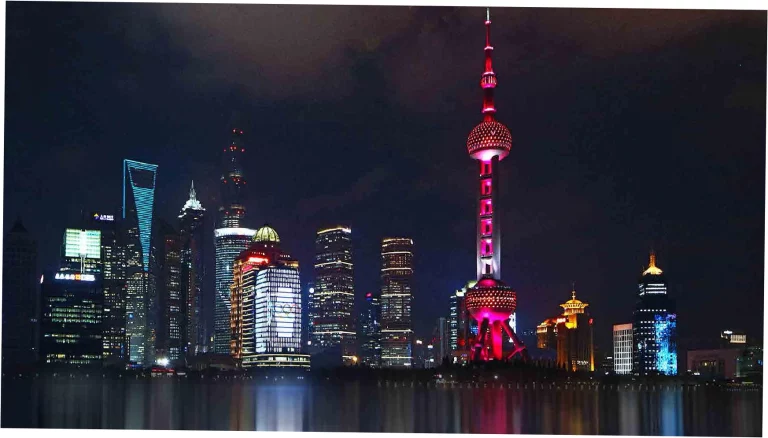
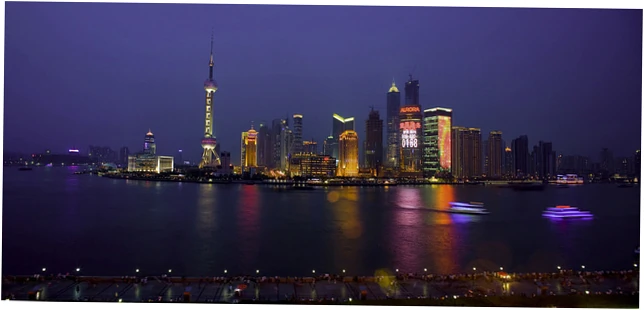
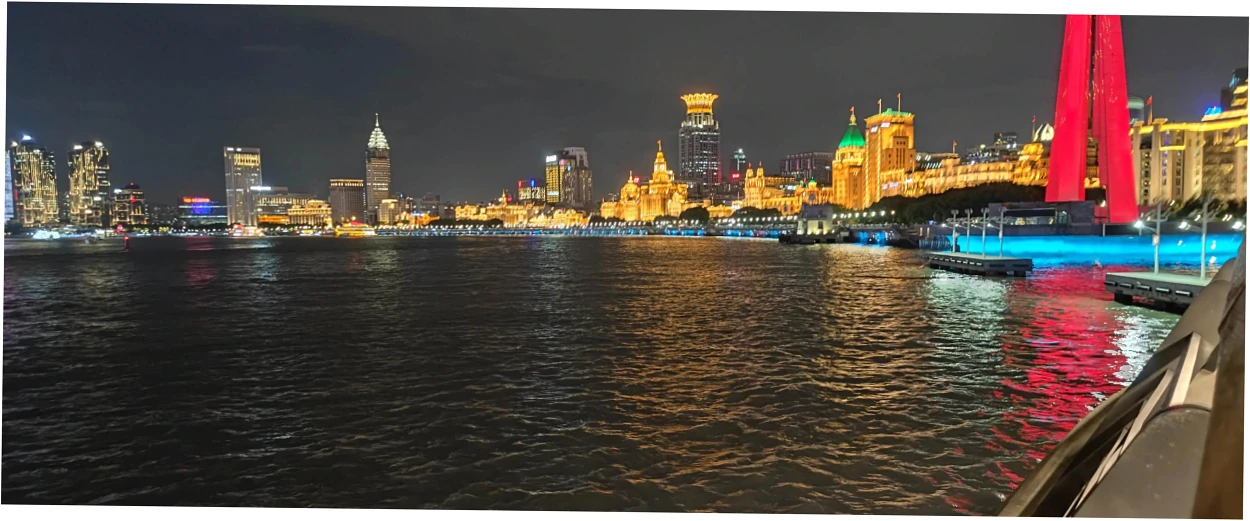
They connect at the eastern end of Nanjing Road. The classic itinerary is to take the metro to People’s Square, walk down Nanjing Road eastbound, and finish at The Bund for the iconic skyline view, especially stunning at night.
What are the real risks of visiting Nanjing Road with young children?
The main risks are crowd separation and overstimulation. The crowds can be immense, making strollers difficult to maneuver and creating a real risk of losing sight of a child. The noise and visual chaos can also be exhausting for little ones.
Mitigate this by visiting on a weekday morning, using a child leash/wrist link, and setting a firm meeting point. The sightseeing tram can be a fun and manageable way to see the strip.
I’m a serious shopper. Is it worth it for luxury goods, or should I go elsewhere?
For luxury, the western section of Nanjing Road (near Jing’an Temple) and the Plaza 66 mall are legitimate high-end destinations. However, for a more concentrated luxury experience, the IFC Mall in Lujiazui or the Shanghai Center complex may offer a more comfortable, less crowded environment. Always compare prices with your home country, as import taxes can make some items more expensive in China.
How much time should I realistically budget for Nanjing Road?
For a satisfying experience, budget 2-3 hours. This allows for a leisurely walk from People’s Square to The Bund (about 30-45 mins of walking, plus stopping), some window-shopping, a ride on the sightseeing tram, and time to soak in the atmosphere.
Don’t allocate a full day—it’s not a destination unto itself but a key part of a larger downtown Shanghai day.
Where can I find authentic local food instead of the tourist traps on the pedestrian street?
Walk 10-15 minutes south to Yunnan Road Food Street, a street beloved by locals for classic Shanghai dishes like soup dumplings (Xiaolongbao) and braised pork. Alternatively, the side streets branching off Nanjing Road, like Fuzhou Road, have older, more established local restaurants. On Nanjing Road itself, seek out century-old brands like Shen Da Cheng for their specialty, glutinous rice balls.
Is it better to visit Nanjing Road during the day or at night?
Well, they’re totally different experiences. During the day is better if you want to do some real shopping, check out the building details, and the crowds are usually a bit easier to handle.
But at night, that’s when you get the famous neon light show and that really buzzing, electric vibe. To get the full experience, I’d say go in the late afternoon. You can see the place change and watch all the lights switch on. Just a heads up, though, the biggest crowds show up in the evening.