Badaling Great Wall: Worth Visiting for First-Timers?
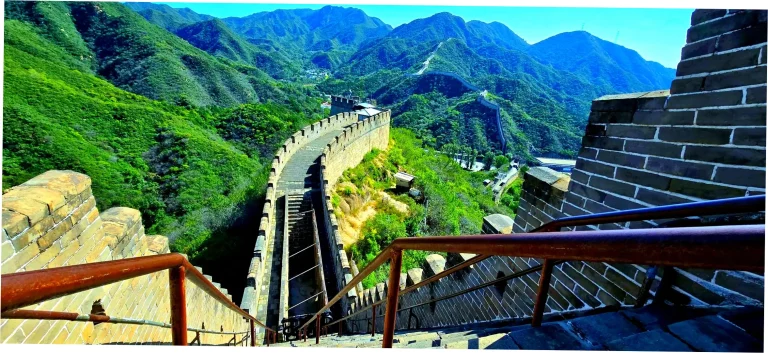
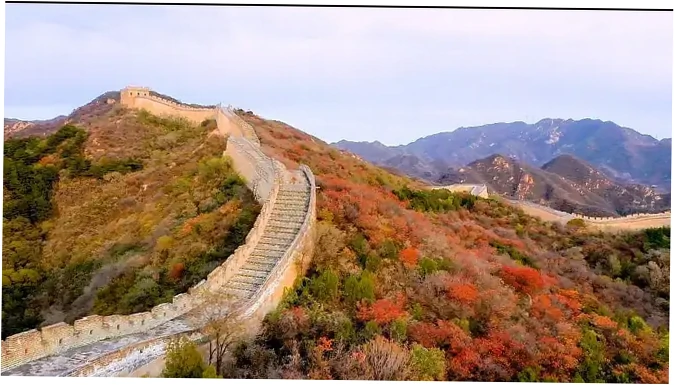
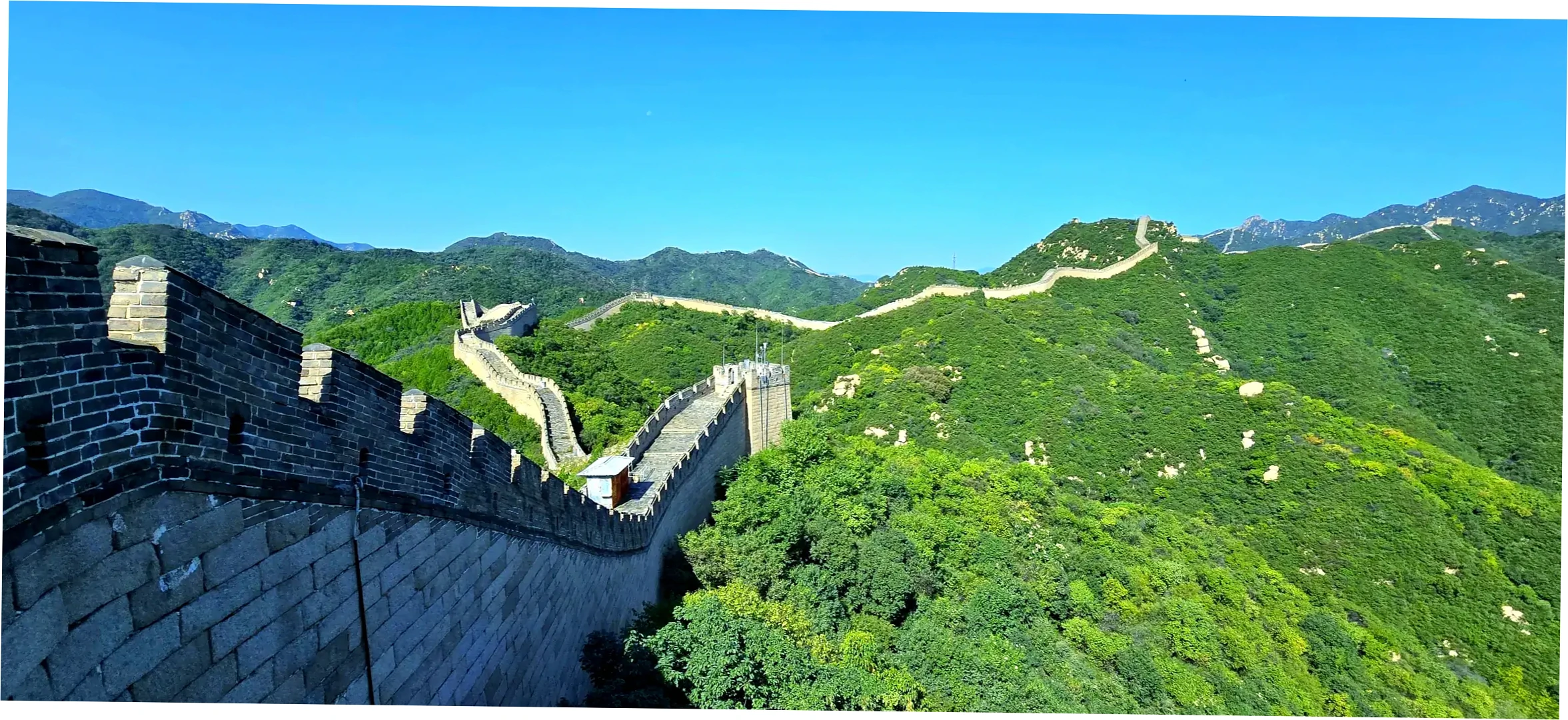
When I stood on top of the Badaling Great Wall, with the wind rushing past those old battlements, it hit me. That’s why this spot is usually the first picture people think of. Badaling is the most popular and carefully fixed-up part of China’s famous wall. It gives you a one-of-a-kind first look. It’s close to Beijing, has great facilities for visitors, and looks absolutely stunning as it winds over the rough mountains. That makes it a really tempting pick, even if it can get packed. Sure, some hardcore fans might go for the quieter, farther-out bits. But for me, visiting the Badaling section was all about it being easy to get to and seeing this world-famous wonder looking its best. So, this guide is gonna get into what’s special about the Badaling Great Wall. We’ll talk about its history as a Ming Dynasty fortress and give you some handy tips for getting around its ups and downs.
Table of Content
Historical Significance and Architectural Might
The Ming Dynasty’s Strategic Masterpiece
Core Context: The Badaling fortification we see today is primarily a Ming Dynasty (1368-1644) construction, built to defend the capital from northern invasions. Its location was no accident.
Sitting in the Jundu Mountains, it guarded the crucial Guangou Valley pass, a historical gateway to Beijing. Walking its wide ramparts, you’re treading on a key piece of military history.
The strategic placement allowed guards to spot approaching enemies from great distances, and the formidable design—with its high walls, watchtowers, and beacon towers—made it nearly impregnable. This section wasn’t just a wall.
it was an integrated defense system, a testament to ancient Chinese military engineering that has endured for centuries.
Architectural Features That Define Badaling
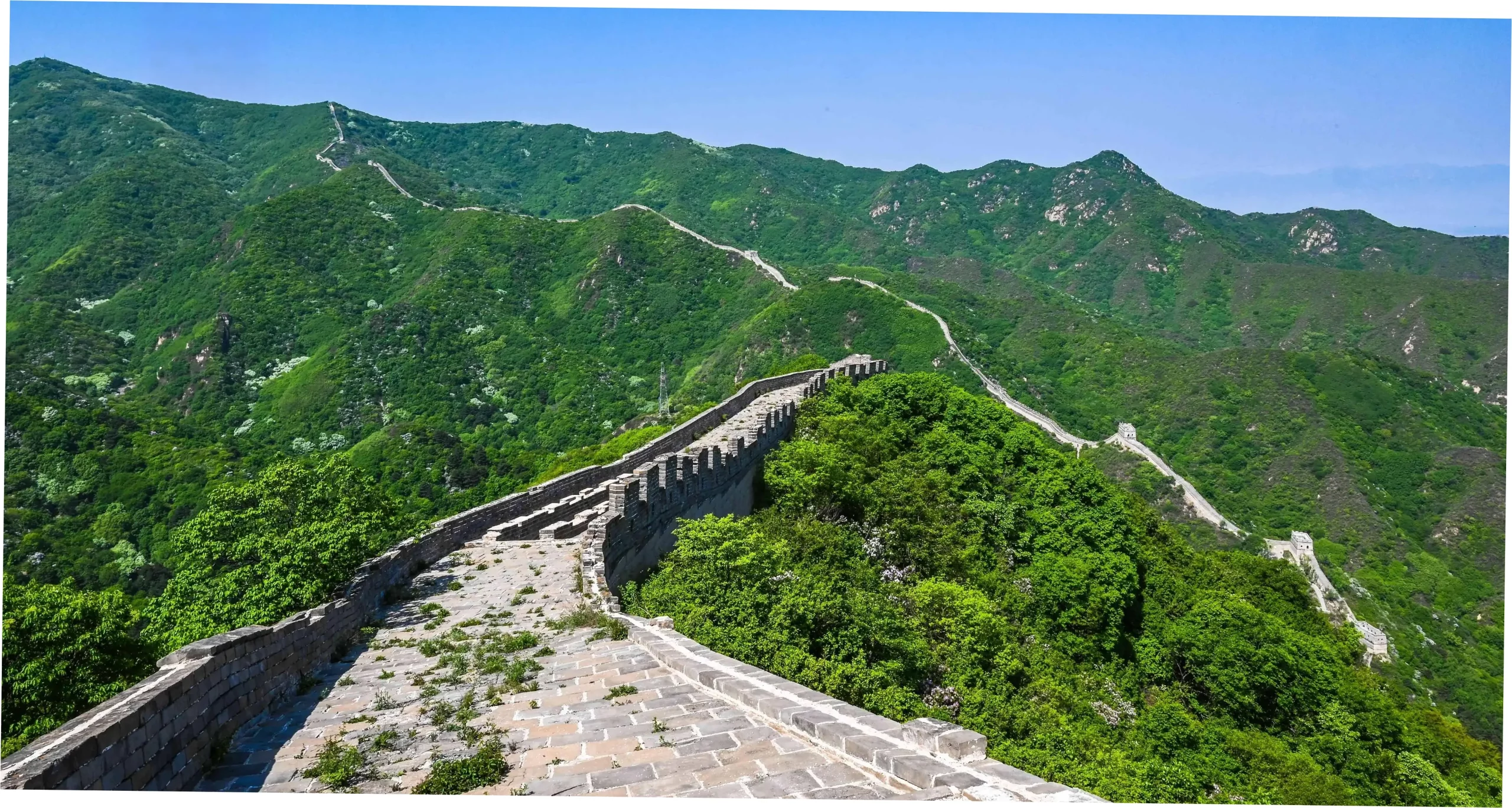
Key Structures: The architecture at Badaling is like a perfect textbook example of how the Great Wall was designed. The wall itself is pretty huge. On average, it’s about 7.8 meters tall and 6.5 meters wide at the top.
That’s wide enough for five horses, or even ten soldiers, to walk side-by-side. The most standout features are definitely the watchtowers, or Dielou. They’re spaced out at regular intervals all along the wall.
What really caught my eye were the arrow slits. They were cleverly designed so defenders could shoot arrows while staying protected. You’ll notice the parapets on the outside are higher, while the inner side has lower crenellations.
That was a really smart design to give the defenders the best possible protection. They used big stone slabs for the foundation and bricks for the upper parts.
They even used a special traditional mortar, made from lime and sticky rice, to hold it all together. This really shows you how advanced their building techniques were back then.
| Feature | Description | Purpose/Function |
|---|---|---|
| Ramparts | Wide, paved walkways atop the wall. | Troop movement, transportation of supplies. |
| Watchtowers (Dielou) | Multi-story towers spaced 500-1000 meters apart. | Garrison quarters, observation posts, signal stations. |
| Beacon Towers (Fengsuo) | Standalone towers on nearby hilltops. | Rapid long-distance communication via smoke or fire. |
| Parapets Crenellations | Protective walls with alternating high and low sections. | Shielding defenders while allowing them to shoot or observe. |
| Pass City (Guancheng) | The fortified gate complex at the entrance. | Control of passage, military headquarters, checkpoint. |
Planning Your Visit: Logistics and Best Times
Getting There from Beijing: Transport Options
Travel Choices: Reaching Badaling from central Beijing is straightforward, but choosing the right mode depends on your budget and preference for independence.
The most reliable method I recommend is the high-speed train (S2 Line) from Huangtudian Station, which takes about 80 minutes and drops you near the entrance, avoiding notorious highway traffic.
For flexibility, tourist bus line 877 departs regularly from Deshengmen. While cheaper, it can be crowded. Private taxis or ride-sharing offer door-to-door convenience but are the most expensive and subject to traffic delays.
My personal tip is to take the morning train to arrive fresh, as the climb itself is demanding. Always check the latest schedules, as services can change, especially post-pandemic.
Choosing the Ideal Season and Time of Day
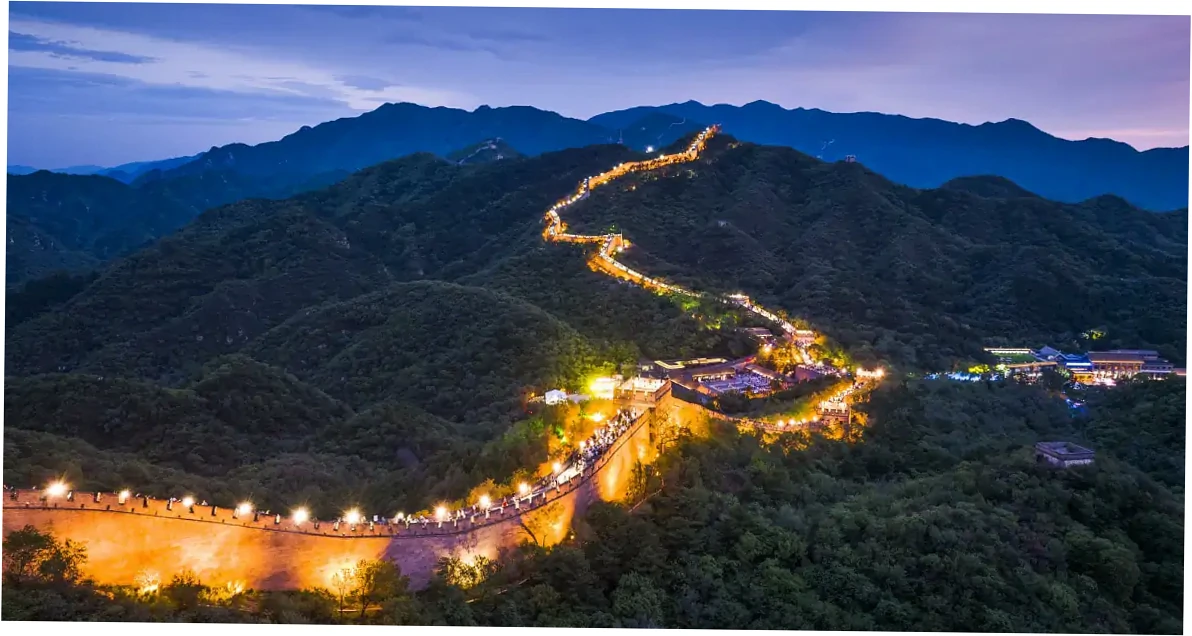
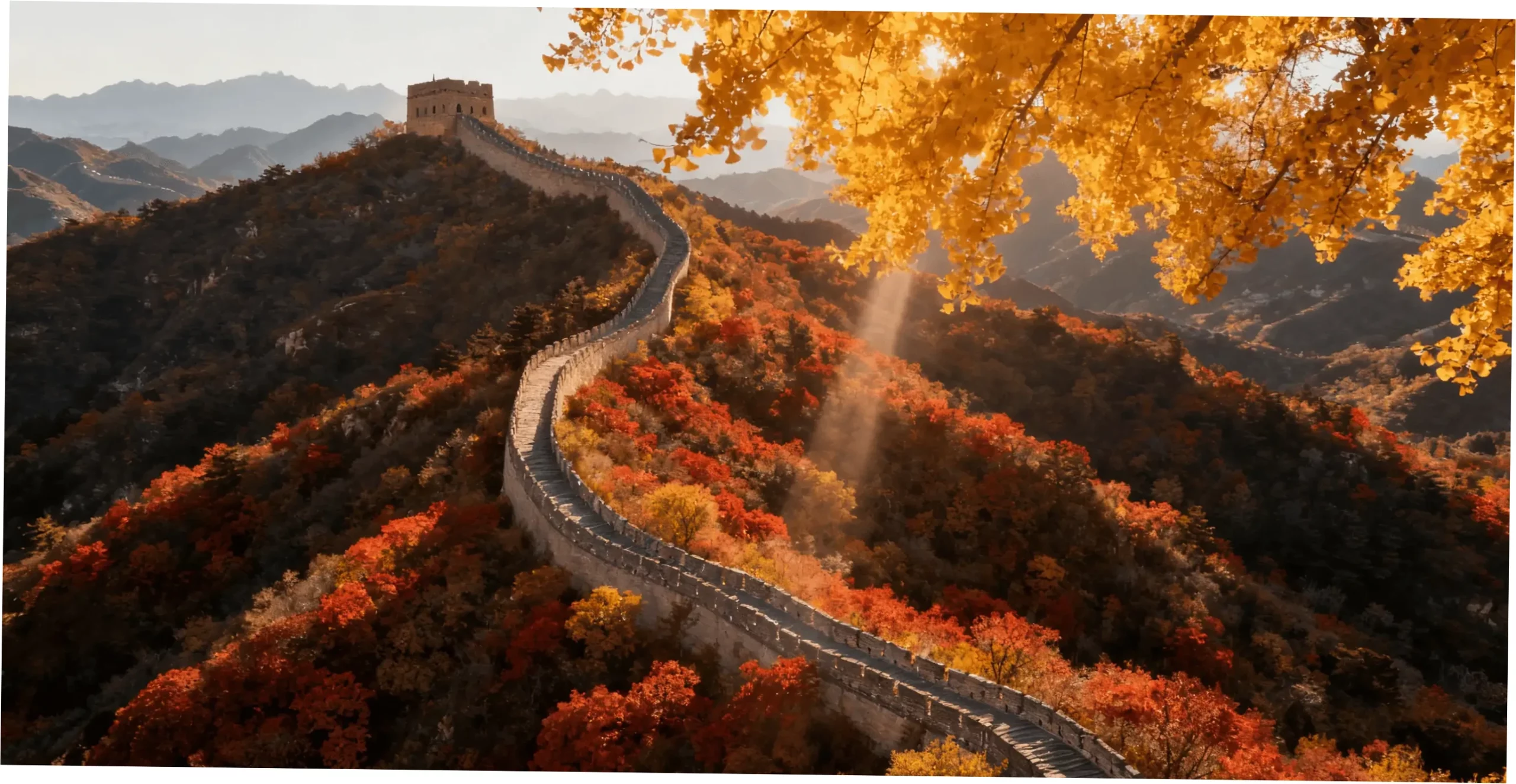
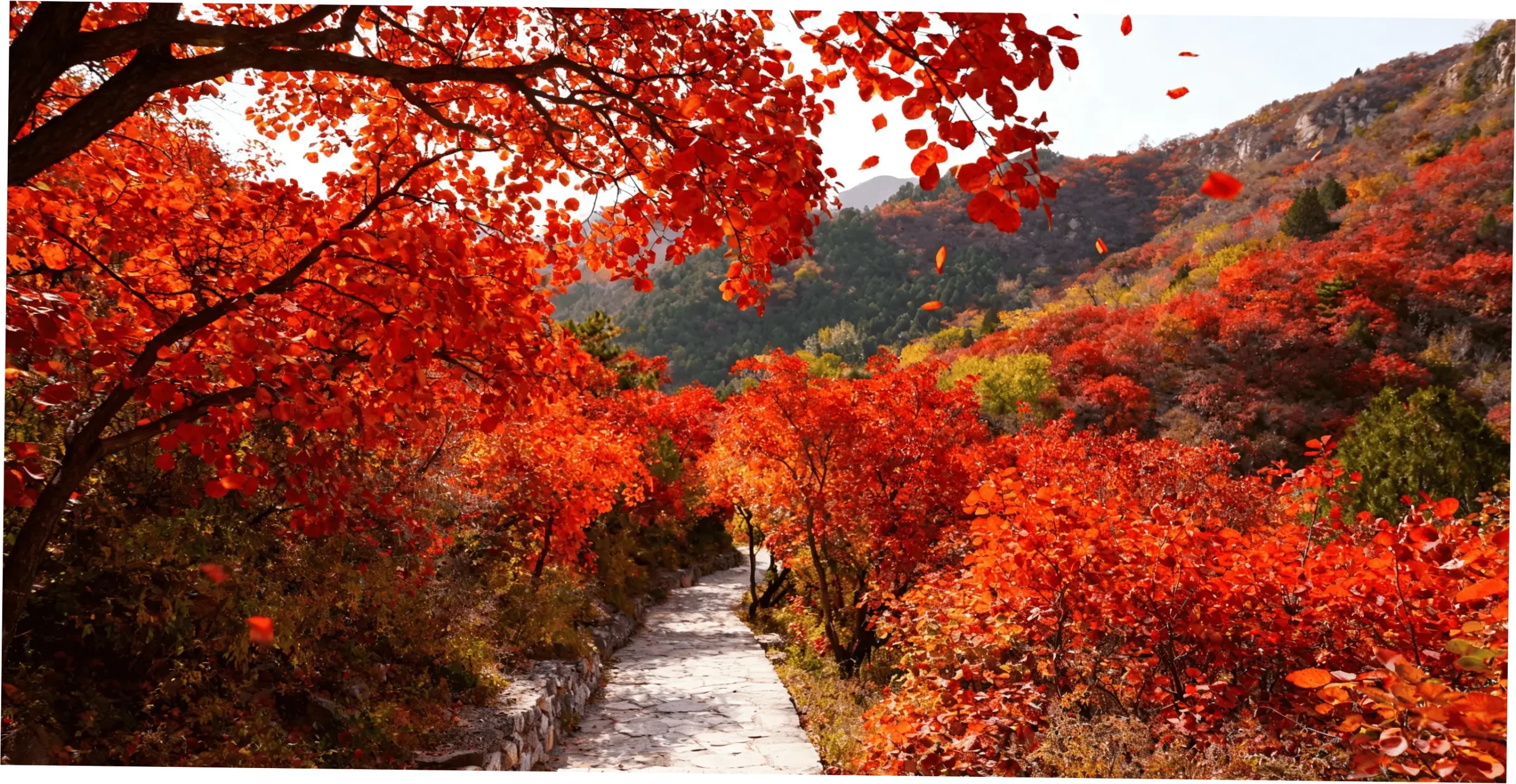
So, when’s the best time to go? Aim for the shoulder seasons—that’s spring (April to May) or autumn (September to October). The weather’s nice and mild then, and the views are amazing. You’ll see either spring blossoms or gorgeous fall colors.
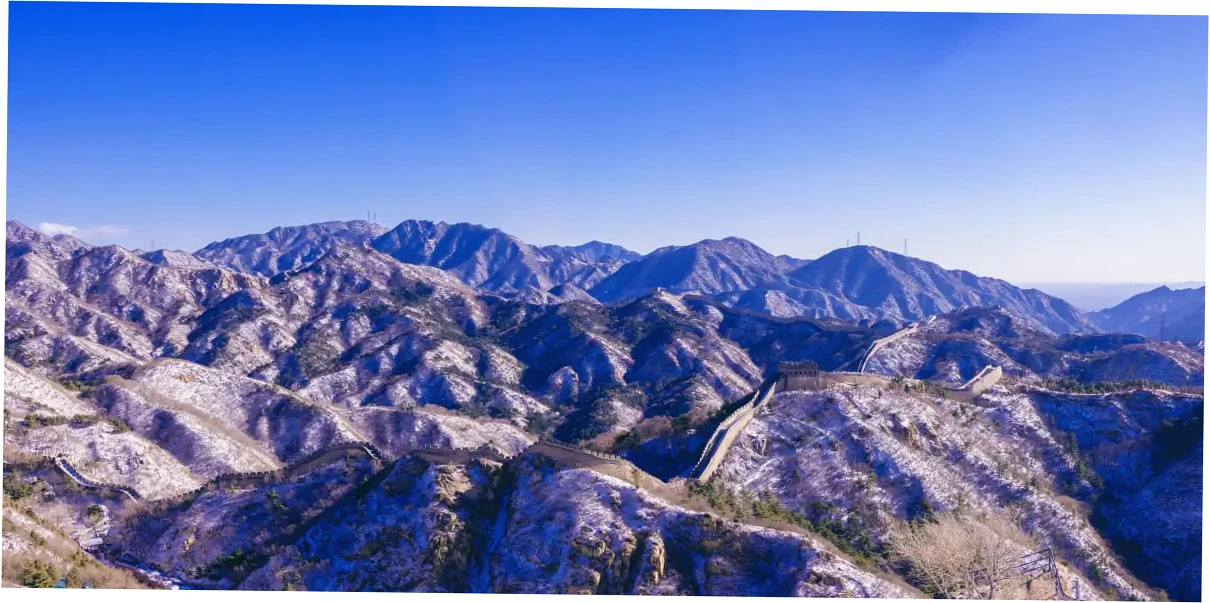
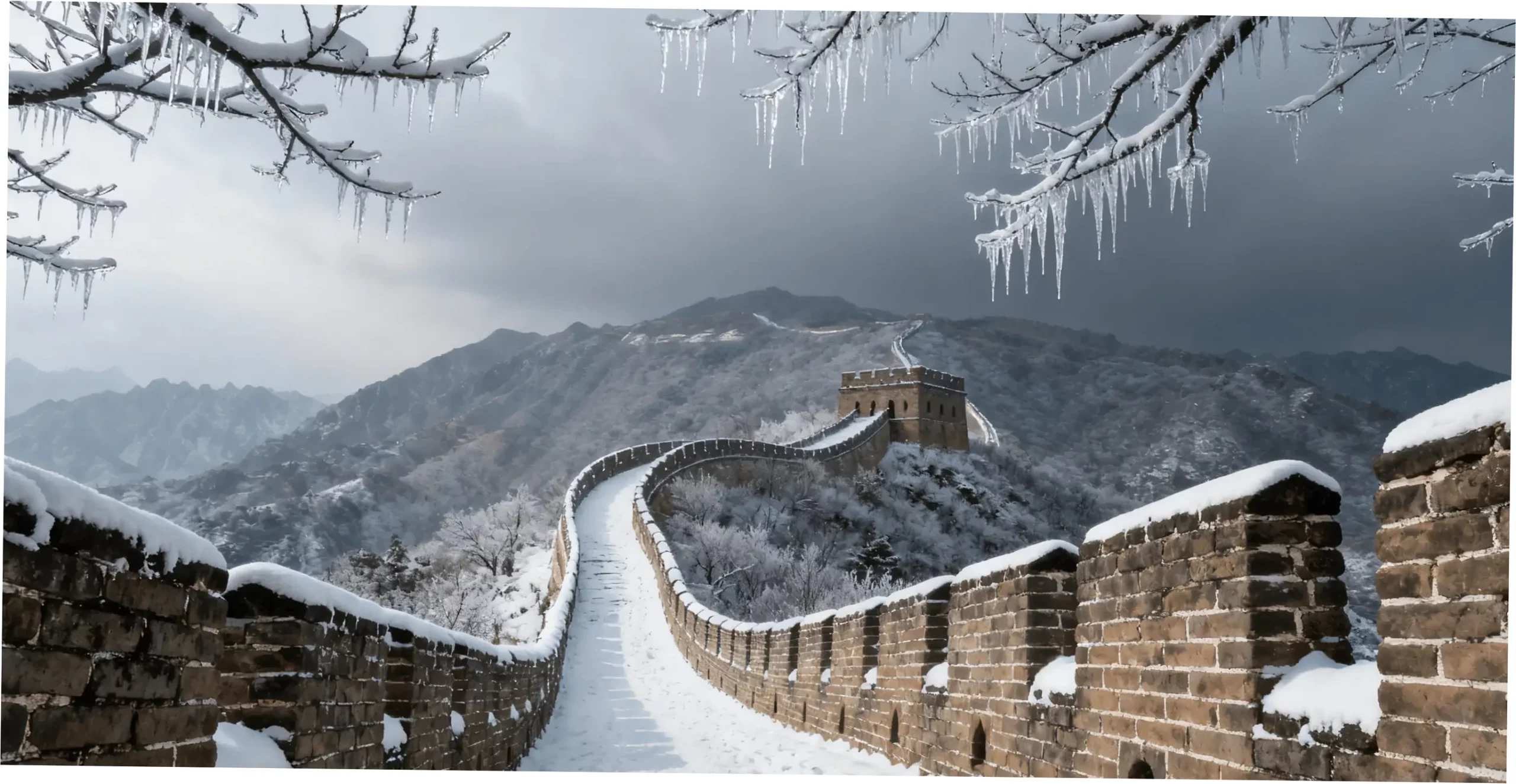
Summer? It gets super hot, super crowded, and you often get hit with afternoon thunderstorms. Winter is freezing cold and can be icy. But if you bundle up, you’ll get a stunning, peaceful, and almost empty experience of the Badaling section.
No matter when you visit, get there as early as you can. Try to be right at the gate when it opens—that’s 6:30 AM in the busy season. That gives you a precious hour or two of peace and quiet before all the big tour buses show up. Late afternoons on weekdays can be quieter too, once the day-trippers start heading home.
Navigating the Badaling Experience
The South vs. North Route Decision
Route Comparison: Upon entering, you’ll face a classic choice: head south or north. The north route (from Beiba Tower to Beiba Tower) is more famous, longer, and steeper, leading to the highest point, Badaling Peak (Beibalou).
It’s where you’ll find the iconic He who has not been to the Great Wall is not a true man inscription. However, it’s also the most crowded. The south route is shorter, slightly less arduous, and generally has fewer visitors.
offering more peaceful photo opportunities and equally impressive views. For first-timers with moderate fitness, I suggest starting north but knowing your limits; you don’t need to hike to the very end.
Families or those seeking a less strenuous walk might prefer the south side. Cable cars are available on both sides for partial ascent or descent.
Essential Tips for a Smooth Hike
Here’s some practical advice: having a good time at Badaling really comes down to being prepared. Your shoes are super important. Wear some sturdy, comfy hiking boots or sneakers with good grip because those steps are all over the place and can get slippery. The sun is brutal up there. Don’t even think about skipping the hat, sunglasses, and strong sunscreen. Bring way more water than you think. The sellers on the wall charge a fortune for it. Throw in some high-energy snacks too. Some parts have handrails, but not all of them. So be careful, especially when you’re coming back down. The biggest thing I learned? Take it slow. It’s not a race, after all. Stop at the watchtowers often to catch your breath, soak in the awesome views, and just think about all the history. Oh, and don’t forget your passport or ID card—you’ll need it to buy your ticket.
| Route | Key Landmarks | Approx. Hike Time (Round Trip) | Difficulty Level | Best For |
|---|---|---|---|---|
| North Route | Beibalou (North 8th Tower – Peak), Inscription | 2.5 – 4 hours | Moderate to Strenuous | Active travelers, iconic views, challenge seekers. |
| South Route | Nan 4th Tower (Highest South Point) | 1.5 – 2.5 hours | Easy to Moderate | Families, less crowded experience, shorter visit. |
| Cable Car Assisted (North) | From base to North 4th Tower | 1 – 2 hours (after cable car) | Easy | Those with limited mobility/time, scenic overview. |
Beyond the Wall: Nearby Attractions and Services
The Great Wall Museum and Visitor Center
Cultural Deep Dive: Before or after your hike, allocate time for the China Great Wall Museum located near the entrance. It’s an excellent, air-conditioned space that provides crucial context.
The exhibits detail the wall’s 2,000-year history across various dynasties, with a focus on Ming-era construction techniques used at Badaling. Seeing replicas of tools, weapons.
and building materials enriched my understanding of the human endeavor behind the stone and brick. The visitor center also offers essential services: clean restrooms, information desks, and luggage storage.
I found that visiting the museum *after* the hike helped answer many questions that arose while I was on the wall itself, making the historical pieces click into place.
Dining and Souvenir Options
Local Flavors: The commercial area at the base has numerous restaurants and food stalls. Options range from simple noodle shops and fast food (KFC is present) to larger restaurants serving local Yanqing cuisine.
My recommendation is to eat a substantial breakfast before arriving and carry snacks for the wall. For a post-hike meal, the local specialty is rainbow trout, often served grilled from farms in the nearby valley.
Souvenir shops are ubiquitous, selling everything from miniature wall replicas and t-shirts to jade trinkets and I Climbed the Great Wall certificates. Bargaining is expected in smaller stalls.
For authentic keepsakes, I looked for items with better craftsmanship rather than the mass-produced trinkets.
Weighing the Pros and Cons: Is Badaling Right for You?
Advantages: Accessibility and Facilities
Major Benefits: Badaling’s primary advantage is its unmatched accessibility and tourist infrastructure. It’s the most convenient section to visit from Beijing, especially for those with limited time.
The facilities—clean restrooms, clear signage in multiple languages, cable cars, a museum, and ample dining—are superior to more remote sections. Its restoration means the walking surface is even and safe.
with guardrails, making it suitable for children and seniors who are reasonably fit. For a first-time visitor wanting the classic Great Wall postcard experience with guaranteed impressive views and historical sites.
Badaling delivers efficiently. It’s a managed, comfortable introduction to one of the world’s most awe-inspiring monuments.
Challenges: Crowds and Commercialization
The downside of being so easy to get to is that it’s super popular. On national holidays and summer weekends, the crowds at Badaling can be overwhelming and really take away from the wonder of it.
The area at the bottom is super commercial, with vendors everywhere trying to get your attention—some folks find it a bit much. Since it’s so fixed up, it doesn’t have that wild.
crumbling feel that adventure-seekers love about spots like Jiankou or Jinshanling. When I went on a Tuesday in October, it was fine, but I’ve heard horror stories about long lines just to get up the steps during peak times.
If you pick the wrong time to go, it can feel more like a packed tourist trap than a journey through history. That’s the main trade-off you’ve gotta think about.
Conclusion and Final Verdict
The Badaling Great Wall section? It’s a bit of a mixed bag. Don’t expect a secluded, rugged hike perfect for photos.
Instead, think of it as your easiest, best-preserved, and most history-packed first look at this world-famous landmark. If it’s your first time, you’re with family, or mobility is a concern, Badaling’s perks are huge.
The trick to having a good time? Set your expectations right. Get there early, pick your path smartly, and just go with it. You’re visiting a stunning, easy-to-get-to chunk of living history.
Standing on those old stones, watching the winding wall disappear into the mountains—it’s a powerful feeling, even with the crowds.
So, ready to take a walk through history? Got your own Great Wall stories or questions? Drop them in the comments! Or, check out our detailed guide to the wilder, unrestored sections for your next trip.
Frequently Asked Questions (FAQ)
Is the Badaling section suitable for young children or elderly visitors?
Yes, with planning. The restored paths are wide and have handrails in many sections, making them safer than wilder parts of the Wall. The south route is generally easier. However, the climb involves many steep, uneven steps.
For the very young or elderly, using the cable car to bypass the initial steepest climbs is highly recommended. Always assess individual fitness levels, take frequent breaks, and avoid peak crowds for a more comfortable experience.
How much time should I allocate for a visit to Badaling?
Plan for a full day trip from Beijing. Allocate 1.5-2 hours for travel each way (depending on mode of transport). On-site, a minimum of 3-4 hours is needed for a meaningful hike on one route (North or South), including time for photos and rest.
Adding the museum and lunch easily fills 5-6 hours. An early start (leaving Beijing by 7 AM) is crucial to maximize your time on the Wall before crowds peak.
What is the difference between Badaling and Mutianyu?
Both are fully restored sections close to Beijing. Badaling is the most famous, historically significant, and tends to be more crowded with larger tour groups.
Mutianyu is slightly further, often less crowded, and is known for its picturesque forest scenery and the option to take a toboggan slide down. Mutianyu is often considered more family-friendly and scenic, while Badaling is the quintessential, iconic choice.
Can I visit Badaling the Great Wall independently, or do I need a tour?
You can totally go on your own. Getting there is easy with trains and buses, the signs are clear, and you can buy tickets right when you arrive. Going by yourself lets you be more flexible with your time and which way you walk on the Wall.
A tour guide is helpful if you want someone to explain the history right there, if you don’t want to deal with any planning, or if you’re worried about the language. But you definitely don’t have to book one.