
Beijing Roasted Duck: Your Complete Guide from History to Home Cooking
So you’re searching for beijing roasted duck. You probably want more than just a good place to eat. You’re after the ultimate guide to really get this famous dish—to understand it, pick the right one, and even have the full experience. Maybe you’re planning a special dinner, you’re curious about its story, or you’re trying to make it yourself. I’ve spent years checking out Beijing’s back alleys and fancy restaurants. This guide cuts out all the fluff and gives you the straight-up info and real comparisons you’re looking for.
Table of Content
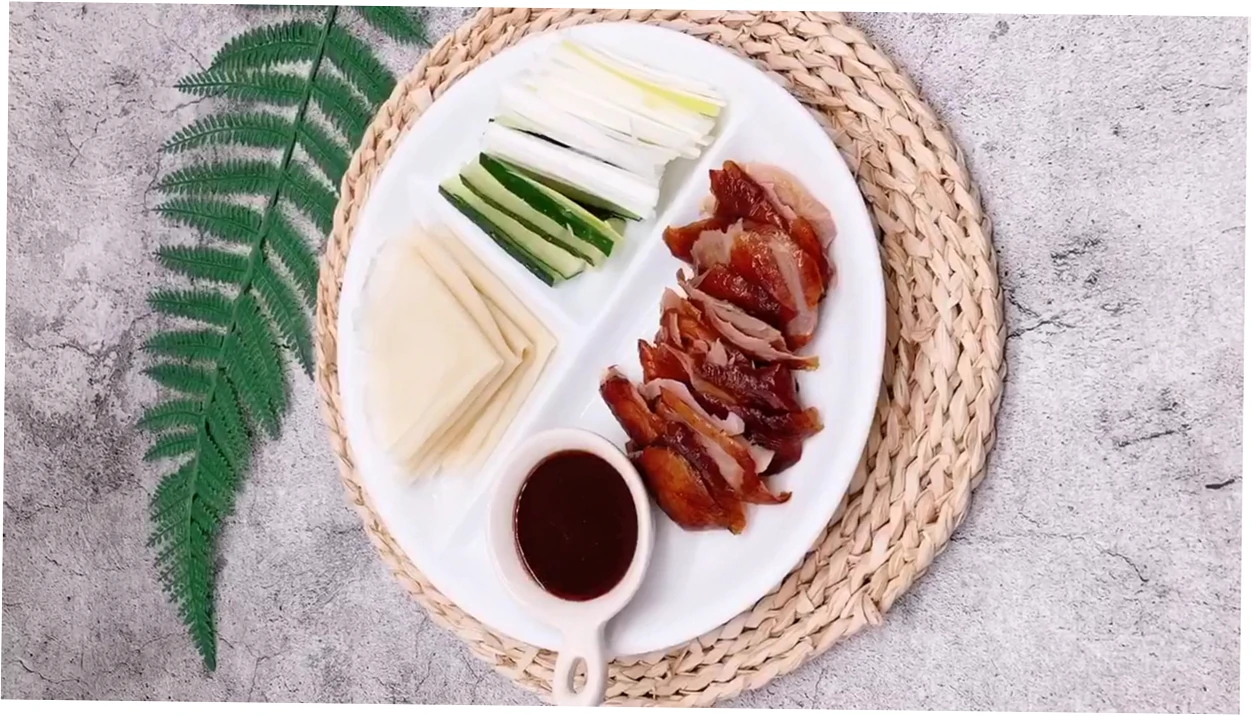
The Anatomy and Heritage of Peking Duck
What Defines Authentic Peking Duck?
Core Identity: True Peking Duck, or Beijing Kaoya, is defined by a specific trilogy—breed, process, and presentation. The bird is the White Beijing Duck, force-fed for a uniquely fatty and tender profile.
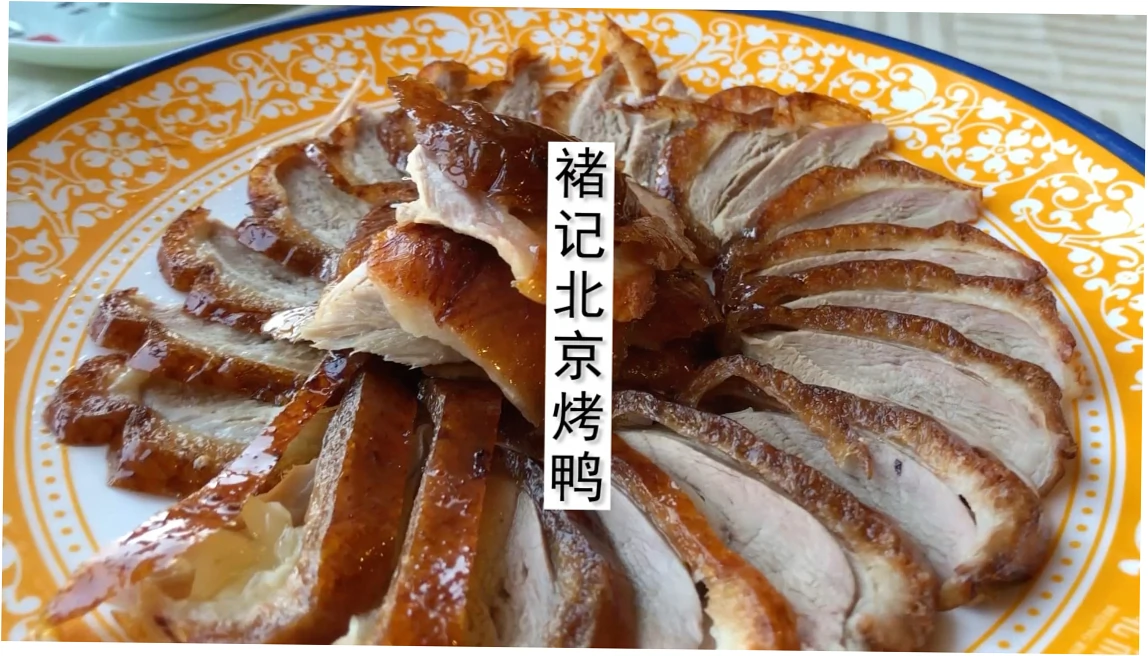
The hallmark is the crisp, mahogany-red skin, achieved through a multi-step process involving air-drying and roasting in a specialized oven. The final act is the ceremonial slicing tableside, where a skilled chef produces 100-120 thin.
even slices of skin and meat. A common user search like what makes peking duck different from regular roast duck? highlights this quest for authenticity, where the answer lies in these precise, centuries-old techniques.
The Science Behind the Crisp
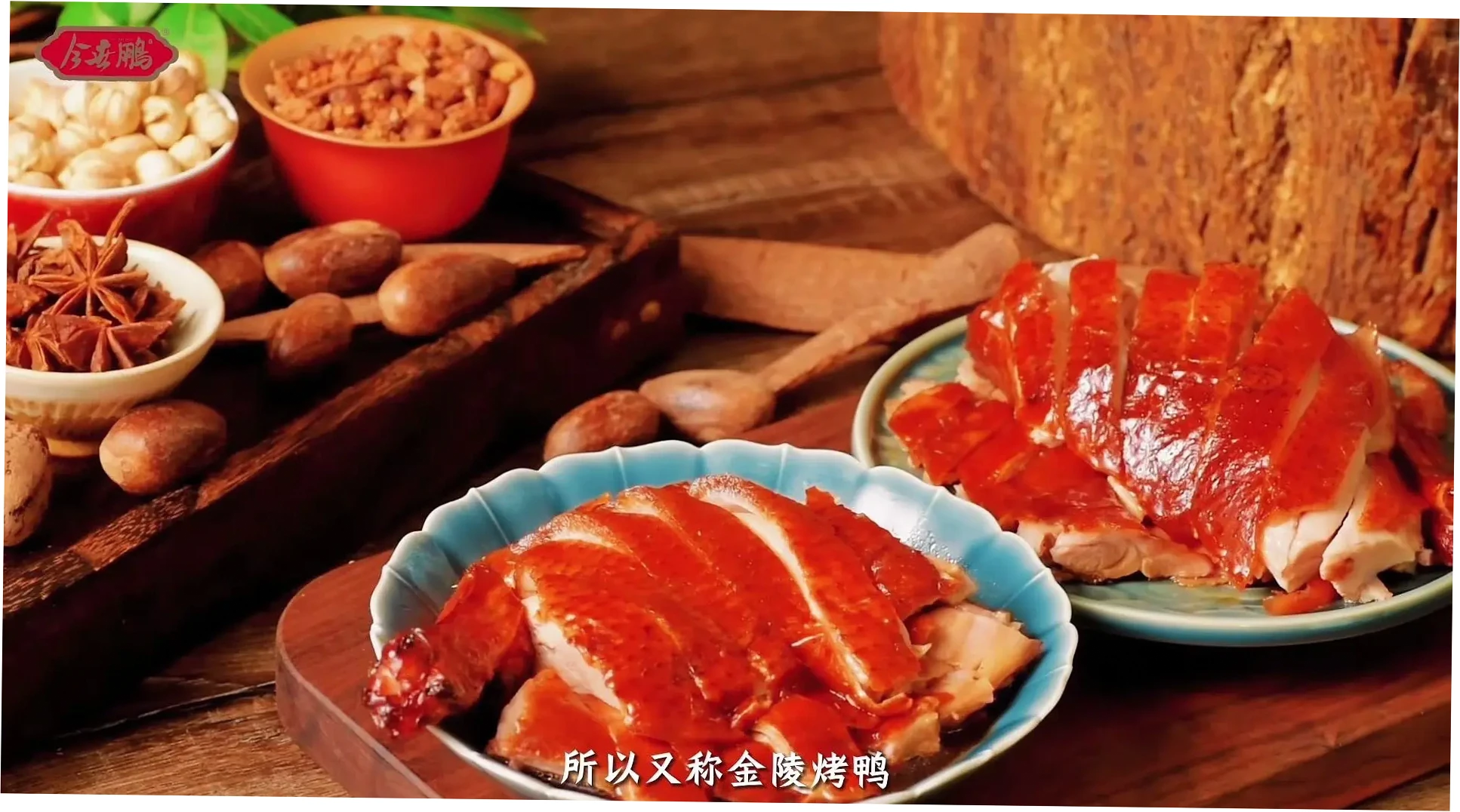
Mechanism of Perfection: The legendary crispness isn’t magic; it’s food science. After evisceration, air is pumped between the skin and meat, separating them.
The duck is then blanched in boiling water to tighten the skin, glazed with maltose syrup, and hung to dry for hours, sometimes in a cool, ventilated room. This drying is critical—it removes surface moisture.
When the duck meets the intense, consistent heat of the oven (traditionally fruitwood-fired), the water in the skin vaporizes rapidly, leaving behind countless tiny bubbles that create the ethereal, crackling texture.
Searches such as why is peking duck skin so crispy? or how do they get the skin so thin on roasted duck? point directly to this fascinating interplay of air, sugar, and controlled dehydration.
Navigating the Maze: Choosing Your Perfect Duck Experience.
Decoding Restaurant Styles and Tiers
If you want the classic, historic experience, go to famous old spots like Quanjude or Bianyifang. You’ll get the whole show there, but they’re often packed with tourists and can be pretty pricey. For a modern twist, check out fancy hotel restaurants.
They get creative, maybe using special teas to smoke the duck. For a real local vibe, hunt for hidden gems in Beijing’s old neighborhoods. These are the places locals love.
and they’re what you find when you search for where to get Beijing duck away from the crowds. For a more local and often more vibrant atmosphere, seek out hidden gem restaurants in old Beijing neighborhoods.
these spots answer queries like best non-touristy peking duck near me or where do locals eat beijing duck.
The Critical Decision: Wood vs. Oven
Comparative Analysis: The roasting method fundamentally shapes flavor. The traditional method uses a closed, brick or clay oven fired with fruitwood (like pear or date).
The duck hangs, cooking primarily by radiant heat and convection, absorbing a subtle, fragrant smokiness. The modern gas/electric convection oven offers precise temperature control and higher consistency, which is crucial for large-volume restaurants.
The trade-off is often a cleaner, purer duck flavor without the smoky notes. When users compare fruitwood roasted duck vs electric oven duck taste, they’re probing this core flavor dichotomy. The table below breaks down the key differences:
| Aspect | Traditional Wood-Fired Oven (Gualu) | Modern Convection Oven |
|---|---|---|
| Primary Heat Source | Smoldering fruitwood (pear, date, jujube) | Gas or electric heating elements |
| Key Flavor Profile | Distinct, subtle smoky aroma infused into skin and meat | Clean, pure duck flavor; highlights natural fattiness |
| Texture Consistency | Can vary slightly between batches; prized for artisan character | Highly consistent crackle and doneness |
| Operational Scale | Lower output, labor-intensive | High output, suitable for large restaurants |
| Typical Restaurant Type | Time-honored brands (e.g., Bianyifang’s *menlu* technique), boutique spots | Most modern high-end hotels, large chain restaurants |
The Ritual of Consumption: From Pancake to Bone Soup.
The Art of the Perfect Bite
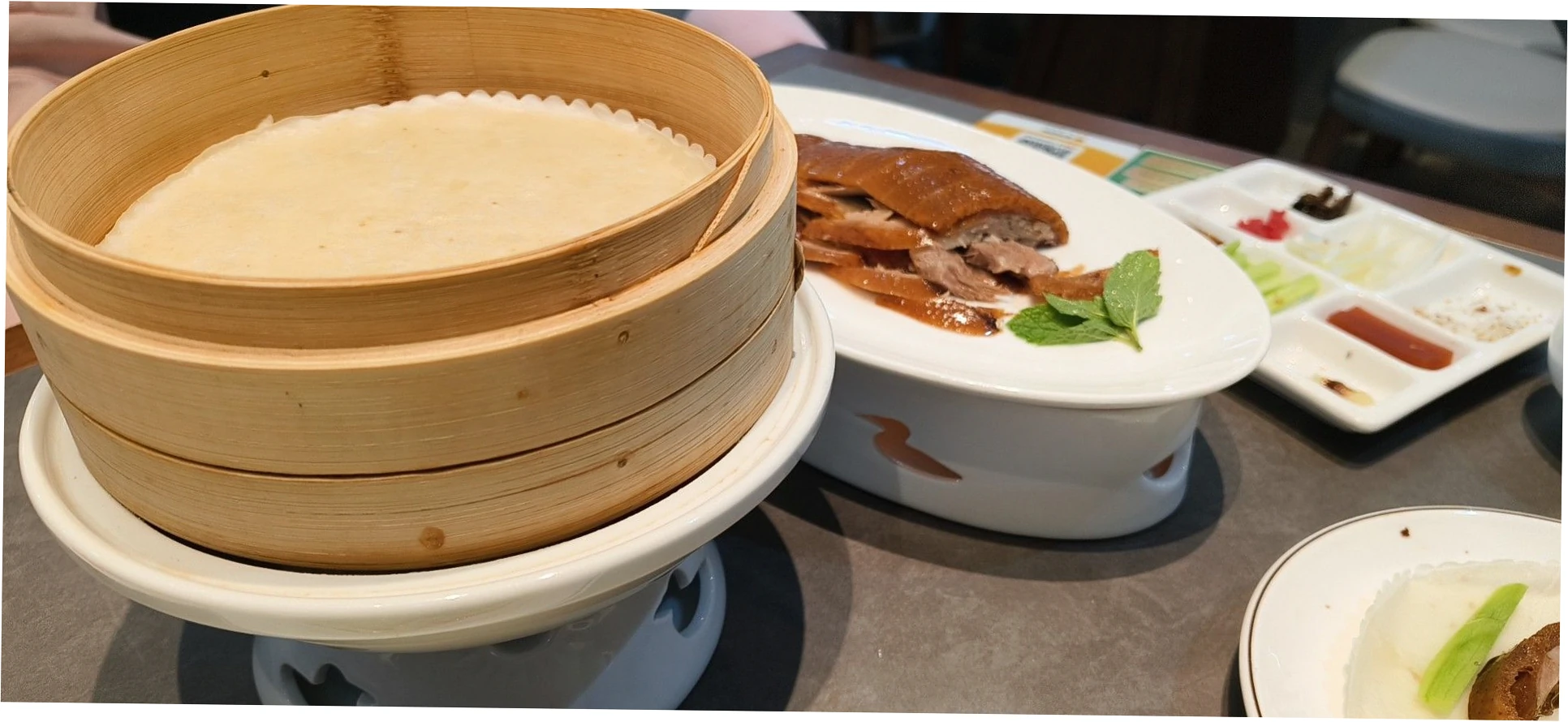
Step-by-Step Assembly: The first bite is a ritual. Take a thin, steamed pancake. Spread a smear of sweet bean sauce or hoisin sauce. Place a few slices of duck skin and meat, followed by julienned scallions and cucumber.
Roll it tightly into a cylinder. The experience is a symphony: the crackling skin gives way to rich, tender meat, cut by the fresh crunch of vegetables and the sweet-salty sauce.
Skipping the scallions, as some novices might ask can I eat peking duck without the green onion?, misses a key flavor contrast that cuts the fat.
Beyond the Pancake: Alternative Serving Styles
Here’s the thing, not everyone’s a fan of those thin pancakes. lots of places serve hollow sesame buns instead—they’re sweeter and fluffier. There’s a real local trick: just dip the crispy skin straight into plain white sugar.
It’s this amazing mix of savory, fatty skin and pure sugar crunch. That right there answers the big question: why do people eat Beijing roasted duck skin with sugar? You usually finish the meal with a savory soup made from the leftover bones.
That way, nothing gets thrown out. If you’re cooking at home and have Beijing roasted duck leftovers, don’t toss the bones! They make a super rich stock perfect for noodles.
Now, let’s talk about common mistakes people make their first time.
Common Dining Mistakes
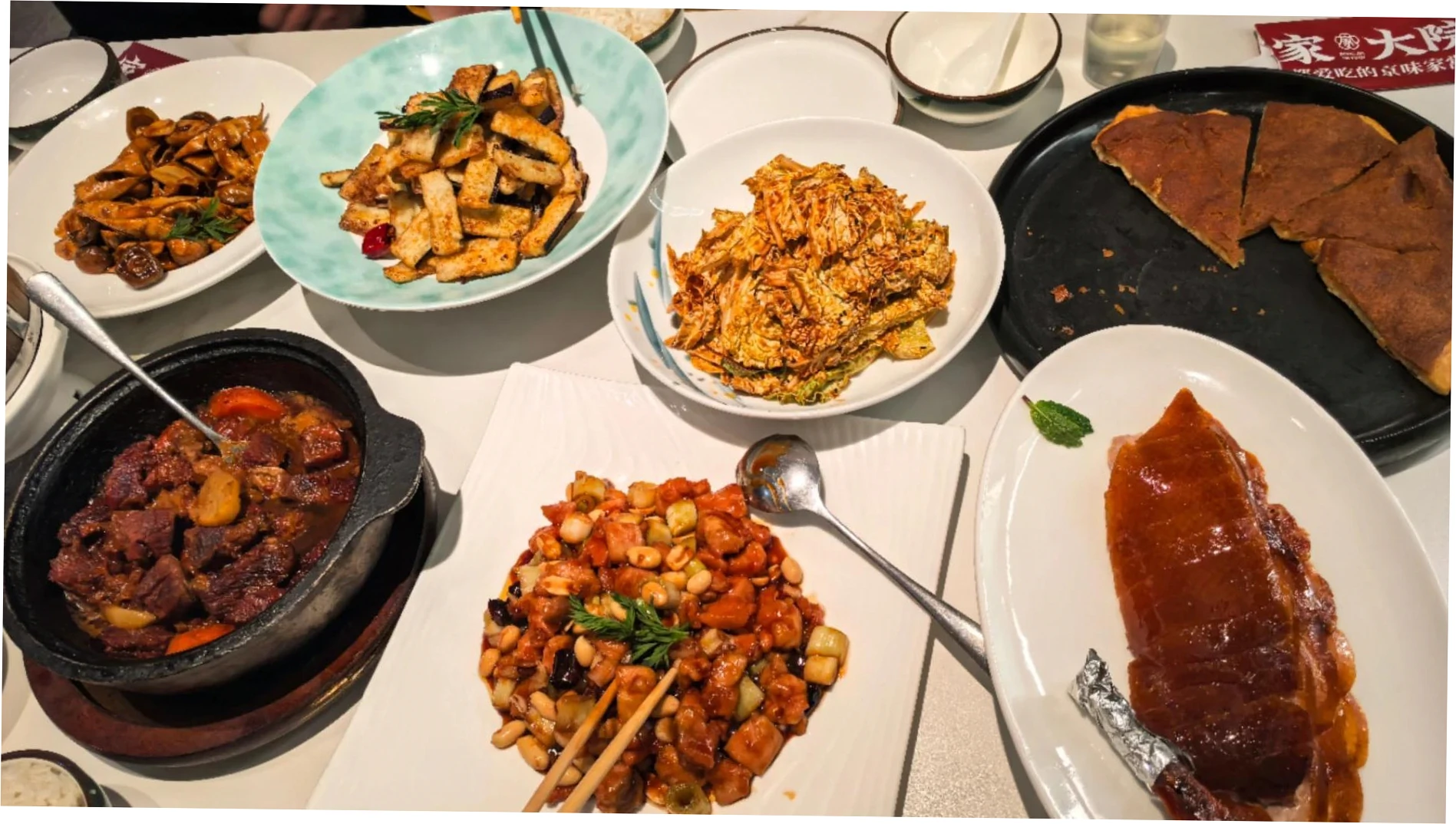
Risk Avoidance: Several missteps can diminish the experience. Overfilling the pancake is a classic error—it becomes impossible to roll and eat neatly. Using only meat and neglecting the skin misses the point of the dish.
Another frequent query, is it okay to eat peking duck skin by itself?, has a clear answer: absolutely, it’s the prized component. Be wary of restaurants that pre-slice the duck in the kitchen; it likely won’t be at optimal temperature or texture. A lukewarm duck is a disappointment.
Nutritional and Dietary Realities
Let’s be real, Beijing roasted duck is a treat for special occasions, not something you eat every day for health. One serving with all the pancakes and sauce packs a lot of fat and calories. Most of that comes from the fat under the skin.
Sure, it’s got protein. But if you’re asking, Is Beijing roasted duck good for weight loss? you need a straight answer: think of it as a treat. Enjoy it once in a while as part of a balanced diet. that sweet sauce is loaded with sugar.
For folks needing gluten-free Peking duck options, here’s the deal: the duck meat and skin are naturally gluten-free. The problem is the pancakes and sauce. The good news is, many restaurants these days can swap those out for you.
| Nutrient | Approximate Amount | What it means |
|---|---|---|
| Calories | 500 to 700 calories | That’s like a big meal, and a lot of those calories come from fat. |
| Total Fat | 30 to 45 grams | It’s pretty high, but you get both saturated and unsaturated fats in there. |
| Protein | 25 to 35 grams | It’s a great source of complete protein. |
| Carbs | 40 to 60 grams | Mostly from the pancakes and the sweet sauce. |
| Sodium | 800 to 1200 milligrams | The sodium can be high because of the sauce and seasonings, so that’s something to watch if you’re limiting salt. |
Trying to make Beijing roasted duck at home is a pretty ambitious project.
Essential Equipment and Ingredient Hurdles
Problem-Solving: The home cook’s biggest challenge is replicating the dry, circulating heat of a professional oven. Specialized tools like a duck hook and air pump help, but the oven is key. A strong convection setting is almost mandatory.
Sourcing a proper, plump White Beijing duck outside of China is the first hurdle, leading to searches for where to buy whole duck for roasting near me. Maltose syrup for the glaze can be found in Asian markets.
Remember, a common home-cook failure point, as seen in queries like why did my homemade peking duck skin turn out chewy?, is invariably insufficient air-drying time.
A Simplified, Achievable Method
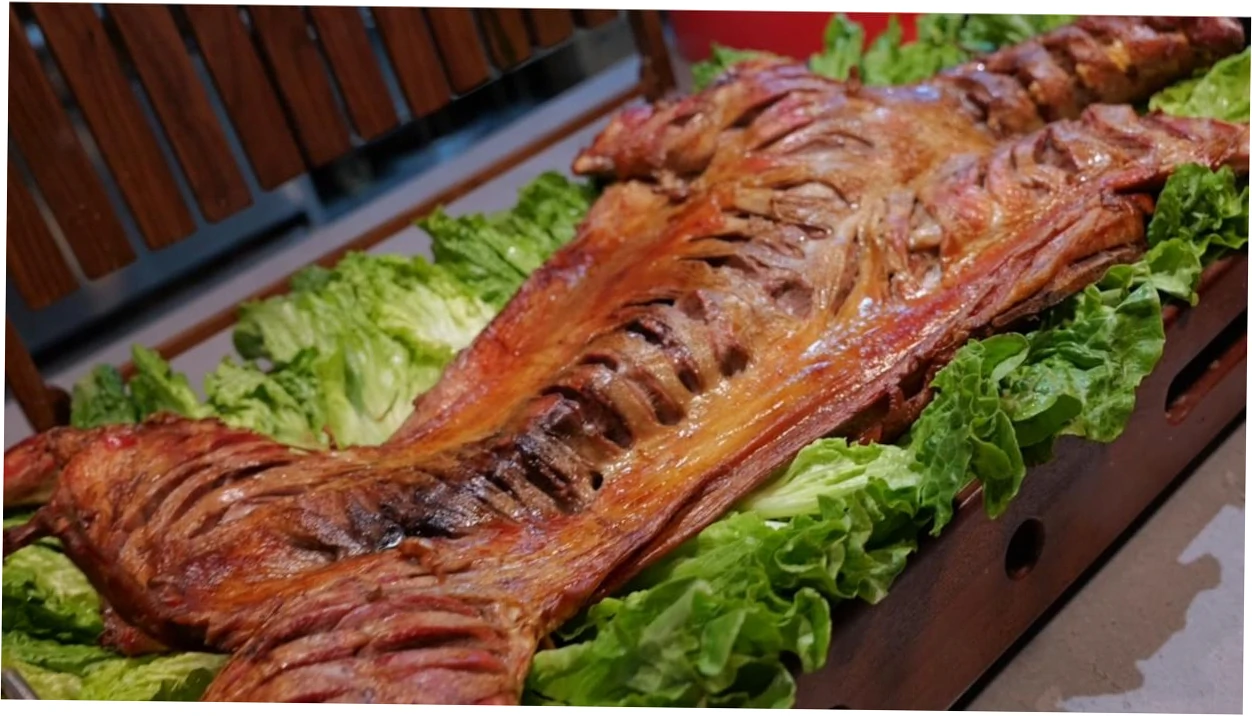
Here are the practical steps: you might not get it perfect, but you can still make a fantastic version at home. First, prep: make sure your thawed duck is completely dry. Then, boil some water and pour it over the skin to tighten it up.
for the glaze: mix maltose syrup with hot water and a bit of vinegar, then brush it all over the duck. Now for the drying: stand the duck up in a cool, airy spot with a fan on it for at least 8 hours, or even better, overnight.
This step is absolutely essential if you want crispy skin. Time to roast it: put it breast-side up on a rack in your convection oven. Start with a high heat, around 425°F or 220°C, to get the skin blistered, then turn it down to finish cooking.
Finally, let it rest a bit before you carve it. It might be a clumsy job, but you’ll be proud. This is the answer for anyone determined to find an easy Beijing roasted duck recipe for a special dinner.
| Factor | If you try making Beijing roasted duck in your home kitchen, | Here’s what you get at a professional restaurant. |
|---|---|---|
| First, look at the equipment. | At home, you’re using a regular oven and maybe some DIY hooks or racks. | The pros use special vertical ovens, like a Gualu, and really sharp, professional knives for slicing. |
| The big thing that makes it work? | For home cooks, it’s all about patience, especially when you’re letting the duck skin dry out. | For the restaurant, it’s super precise temperature control and techniques perfected over hundreds of years. |
| what can you realistically expect? | At home, you’ll end up with a seriously tasty roast duck with crispy skin. It’s a big win for any home cook! | At a restaurant, you get that legendary, super-light crispiness and the whole fancy presentation. |
| Now, about the time it takes. | Making Beijing roasted duck at home needs about a day to a day and a half. Most of that time is just waiting for the duck to dry. | A pro kitchen takes around two full days from start to serving the dish. |
| Who’s each method best for? | The home version is great for food lovers who want a challenge, to wow guests at a dinner, or just to learn how it’s done. | Go to a restaurant for the real-deal experience, for a special celebration, or to taste the gold standard of Peking duck. |
The Global Duck: Comparisons and Cultural Journeys
Peking Duck vs. The World’s Roast Ducks
Comparative Analysis: Peking Duck is distinct from other global duck dishes. Cantonese roast duck (Siu Aap) is marinated with five-spice and soy, then roasted whole, resulting in a flavorful, edible skin and meat eaten with rice, not pancakes.
French Canard à la Presse is about the luxurious sauce made from pressed carcasses, not crisp skin. British roast duck is often a simpler, herb-stuffed affair.
Understanding these differences helps navigate menus and satisfies comparative searches like peking duck vs cantonese duck which is better—it’s not about better, but about different culinary purposes.
Evolution and Fusion Cuisine
Chefs all over the world have gotten ideas from Beijing Roasted Duck. You might find duck tacos with hoisin, or duck confit in spring rolls. Sometimes they even use the leftover meat for fried rice or lettuce wraps after serving the crispy skin first.
Fancy versions might use the same method on other birds, or age the duck longer to get a richer taste. These new takes answer searches like modern twists on peking duck or how chefs reinvent classic duck.
It shows this food is always changing and growing. My favorite fusion dish was a Beijing Roasted Duck *bao* with pickled cherries. It nailed the mix of old-school and new ideas.
Ready to stop reading and start eating? book a table at a top-rated local place that really focuses on traditional wood-fired roasting. Don’t just pick any Chinese restaurant.
Give them a call first to make sure they serve whole ducks and carve them right at your table. If you’re feeling brave, find a good duck and clear out a weekend to try making it yourself at home.
Exploring Beijing Roasted Duck, from its royal past to your own kitchen, is a tasty trip through skill, culture, and amazing flavor.
Frequently Asked Questions (FAQ)
I’m hosting a dinner party. Can I order a whole Peking Duck for takeout, or does it not travel well?
This is a common dilemma. The truth is, Peking Duck suffers significantly from takeout. The crisp skin steams in the container, becoming soft and chewy within minutes. The ceremonial slicing is lost.
For a party, a better alternative is to order from a restaurant that offers whole roast duck (not necessarily the full Peking presentation), which often travels better, or consider a catering service that can provide a chef to slice on-site. For the authentic experience, dining in is irreplaceable.
What’s the actual difference between Peking Duck and Beijing Roasted Duck? Are they the same thing?
Yes, they refer to the same iconic dish. Peking is the older, postal romanization of Beijing’s name. Beijing Roasted Duck is the direct translation of the modern Mandarin name (, Běijīng Kǎoyā).
You might see Peking Duck used more on historical or Western menus, while Beijing Duck is becoming more common globally. There is no difference in the dish itself.
Is it worth paying the high price at a famous place like Quanjude, or can I get equally good duck somewhere cheaper?
This gets to the heart of value. Places like Quanjude charge for the history, the brand, the consistent ceremony, and the prime location. You are paying for a guaranteed, benchmark experience.
You can absolutely find superb duck at lower prices in less tourist-centric districts, which might even feel more authentic. It depends on your priorities: for a one-time, bucket-list event.
the famous spot may be worth it. For a more local, value-focused meal, venture away from the guidebook top-ten lists.
I have a small oven. Can I make Peking Duck using a half duck or duck pieces?
Technically, you can roast duck pieces, but you will not achieve the classic Peking Duck result. The method relies on roasting the whole bird to create the right heat circulation and render fat properly.
A half-duck might work in a very small oven, but the skin may not crisp evenly. For space constraints, consider alternative recipes like crispy roast duck legs which are fantastic but a different dish entirely.
How do I reheat leftover Peking Duck without ruining the crispy skin?
Pretty much everyone runs into this problem. You want to avoid the microwave, it’s the enemy here because it makes the skin all rubbery. Your best bet is a regular oven or a toaster oven.
Just put the beijing roasted duck pieces on a rack over a baking sheet, then heat them up at 375°F for about 5 to 8 minutes. If you’re just reheating the skin, popping it under the broiler for a second works, but keep a really close eye on it. For the pancakes, steaming them again is the way to go.
Are there any certified or graded standards for authentic Peking Duck, like Champagne has for its region?
While there’s no international appellation like Champagne, within China, there are official standards. The China Cuisine Association has detailed specifications for the Beijing Roast Duck craft, covering breed, processing, and cooking methods.
Reputable restaurants, especially the time-honored brands, adhere to these. Some also pursue their own quality certifications. When searching, look for restaurants that emphasize their adherence to traditional craft () rather than a specific seal.
What are the best drinks to pair with the rich, fatty flavors of Peking Duck?
The fat calls for something cutting and aromatic. A dry, slightly tannic red wine like a Pinot Noir or a Beaujolais works beautifully. For beer, a crisp lager or pilsner cleanses the palate.
Traditionally, it’s paired with warm *erguotou* (a strong Chinese sorghum liquor) or a floral *Jasmine tea*. The goal is to cut through the richness, so avoid heavy, sweet drinks.
I’m vegetarian but want to experience the wrapping ritual. Are there any good vegetarian alternatives that mimic the experience?
For sure! Creative cooks have come up with veggie versions using things like layered, seasoned seitan, thinly sliced and roasted king oyster mushrooms, or even yuba, which is tofu skin.
Done right, these can give you a texture and savory taste really close to the real thing, especially when you wrap them up with the classic pancakes, sauce, and scallions. Just look up a vegetarian mock beijing roasted duck recipe online, you’ll find lots of clever ideas.