Rainbow Mountains China: Location
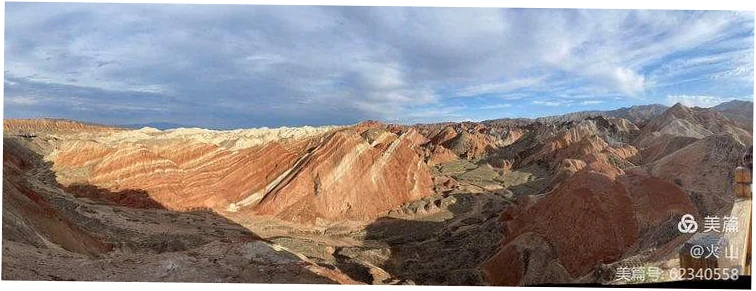
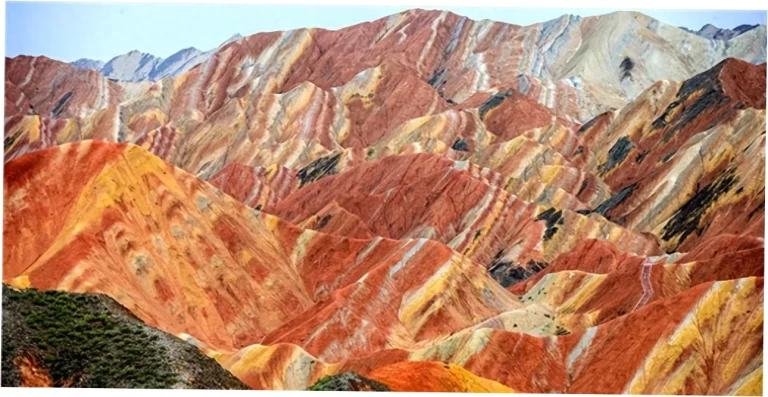
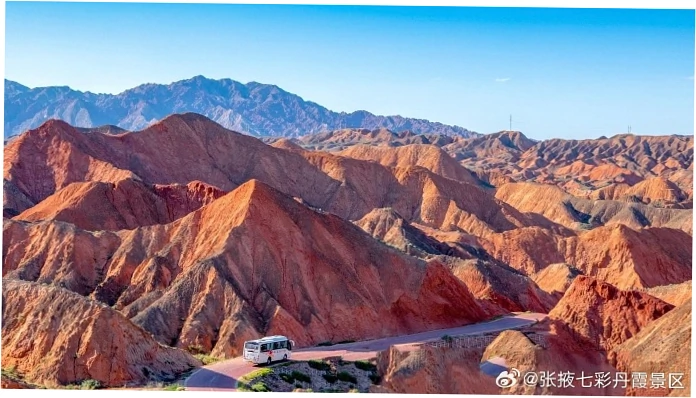
where exactly in China can you find the Rainbow Mountains? People ask me this all the time. The short answer is, the most famous and amazing Rainbow Mountains are in Zhangye Danxia National Geological Park, up in northwest China’s Gansu Province. But it’s good to know there are other colorful rock formations too, in places like Xinjiang and Qinghai. Those sometimes confuse people when they’re searching.
Table of Content
Defining China’s Rainbow Landscapes
What Exactly Are They?
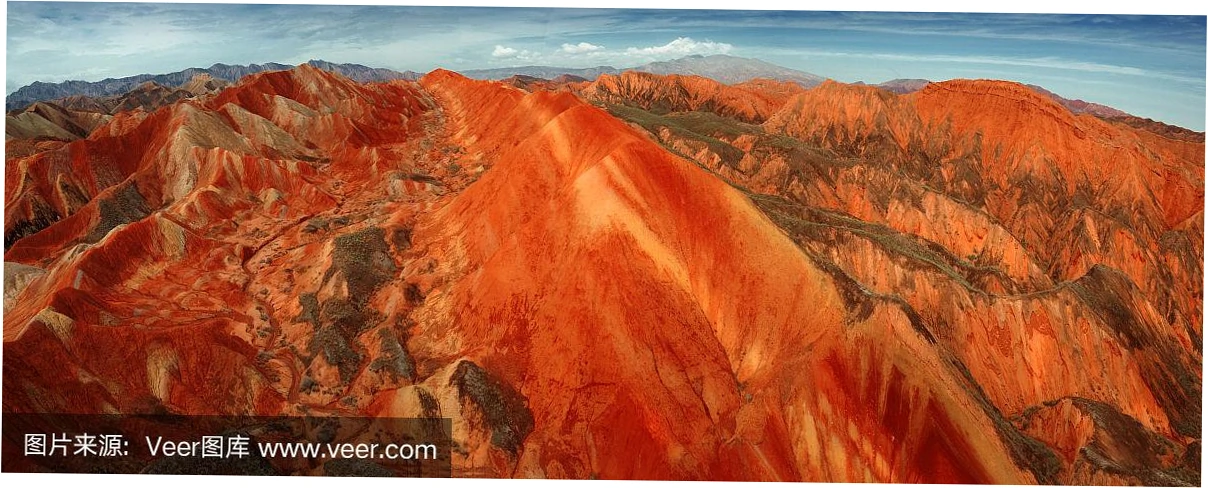
Core geological mechanism: The iconic striped colors of the Zhangye Danxia landforms are not paint but a natural geological masterpiece. They result from millions of years of mineral deposition and tectonic uplift.
Specifically, red sandstone and other mineral-rich siltstone layers were deposited by rivers over 24 million years ago. Subsequent tectonic plate collisions lifted these layers.
and erosion by wind and rain carved them into the jagged peaks and valleys we see today. The different colors—predominantly red, but also streaks of yellow, green, blue.
and white—correspond to different oxidized mineral compounds (like iron and copper) present in the rock layers at the time of their formation.
Official Names and Key Locations
Let’s clear up the names. Rainbow Mountains is the catchy Western name, but in China, the official term is Zhangye Danxia Landform. The specific park you visit is called Zhangye Danxia National Geological Park.
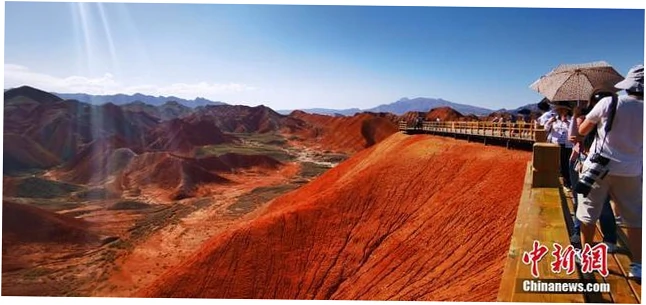
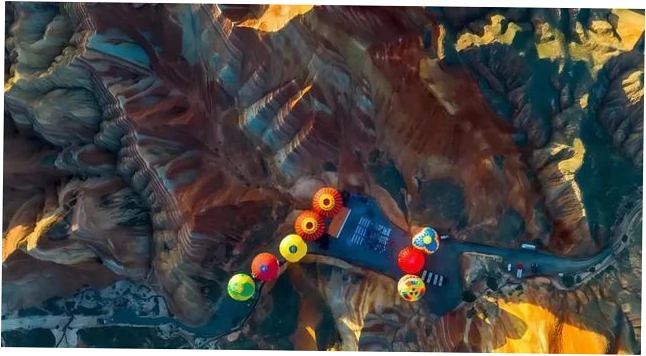
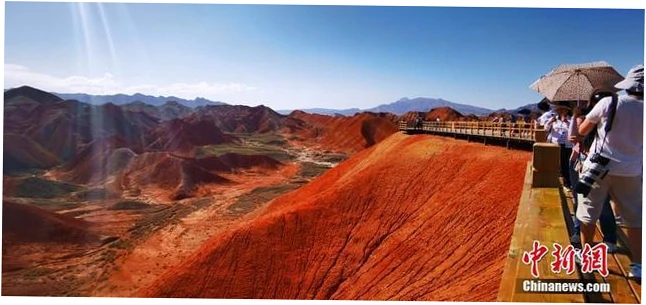
The best spots to see the most intense colors are in the park’s core viewing areas, with names like Colorful Cloud Sea and Colorful Embroidery platforms.
This naming mix-up is why you often see searches like Zhangye vs Rainbow Mountains—are they the same place? when travelers ask Are there Rainbow Mountains near Dunhuang?, they’re usually trying to figure out the distances.
Dunhuang is another big tourist spot in Gansu, but it’s quite a ways off—about 600 kilometers from Zhangye.
| First up, the name and location. | Then, their main colors and what they look like. | What kind of rock formations are they? | And finally, how easy is it to visit? |
|---|---|---|---|
| where are the Rainbow Mountains in China? A famous one is Zhangye Danxia in Gansu. | You’ll see bright reds, oranges, yellows, and greens there. The land is all layered and hilly. | It’s a Danxia landform, made from colorful sandstone and mineral layers from way back in the Cretaceous period. | It’s super developed for tourists. They have boardwalks, shuttle buses, and lots of viewing platforms. |
| Another place to find Rainbow Mountains in China is Kuche Canyon in Xinjiang. | This one features deep red and brown colors on huge, dramatic canyon walls. | It’s also a Danxia landform, but it’s more about the canyon scenery. | It’s less developed and more adventurous. You’ll likely need a guided tour or a 4×4 vehicle to explore. |
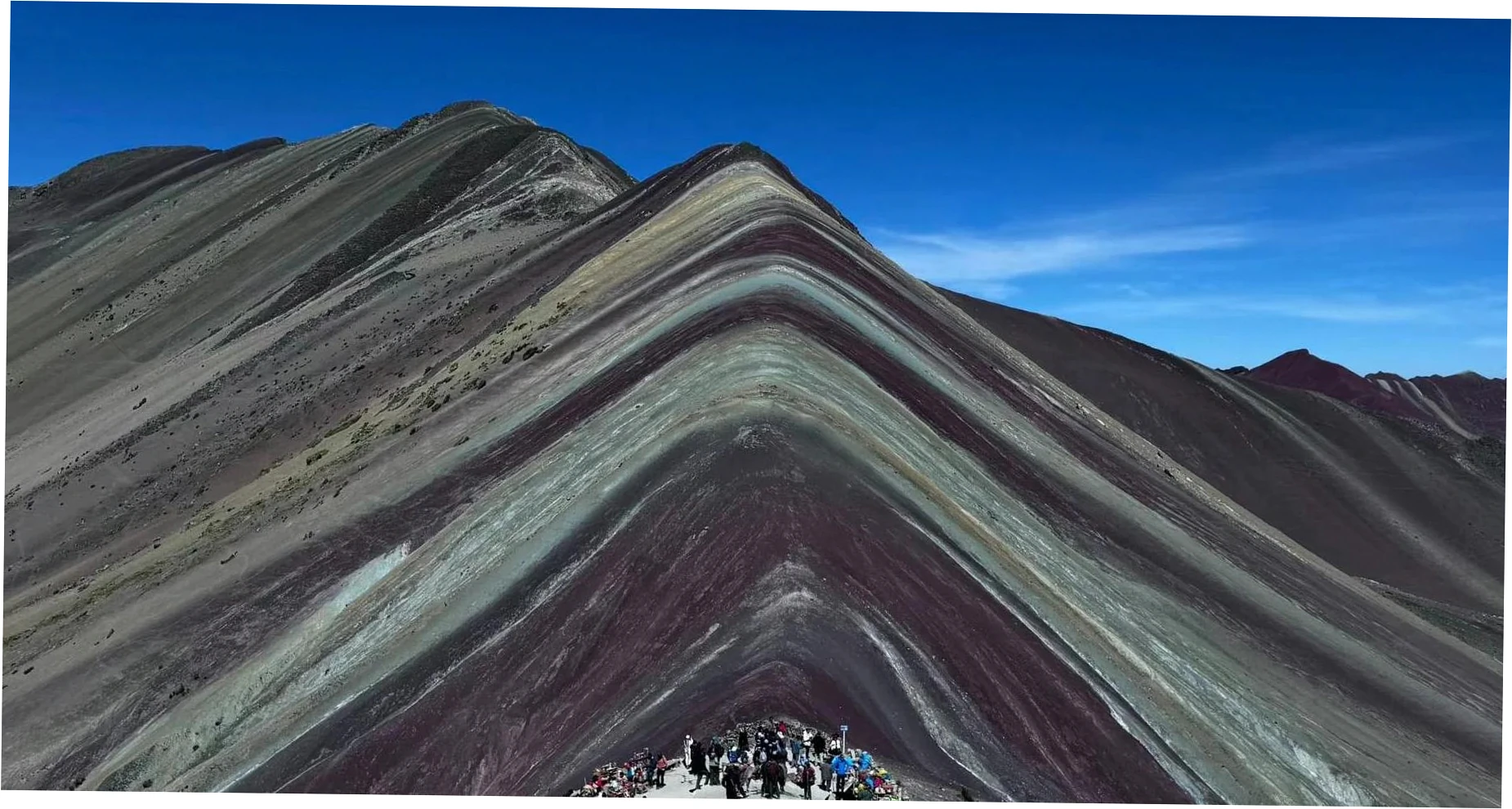
| Rainbow Mountains (Peru) (Common Comparison) | The Peru ones have pretty pastel stripes in lavender, gold, and turquoise. | They’re also made of colorful sedimentary mineral layers, at a place called Vinicunca. | But getting there needs a tough high-altitude trek. There are no boardwalks or easy paths. |
Planning Your Visit: A Decision-Maker’s Guide
Best Time to Go and Trip Duration
Optimal scenario planning: The colors are most vivid under clear, sunny skies shortly after rain, making late spring (May-June) and early autumn (September-October) ideal.
Summer is hot and crowded, while winter is bitterly cold with potential park closures. A realistic itinerary needs 1-2 full days in Zhangye. Many visitors search for Zhangye Rainbow Mountains 2-day itinerary from Lanzhou or wonder.
Is one day enough for Zhangye Danxia? For the latter, yes, if you arrive by overnight train, visit the park, and leave the same evening.
Logistics: Getting There and Getting Around
Here’s the practical stuff. You can fly into Zhangye’s small airport (YZY). Or, take a high-speed train from places like Xi’an or Lanzhou. From Zhangye city, the park is west about 30 to 40 kilometers away.
You’ll need to catch a bus or hire a car to get there. Once inside the park, you can’t drive your own car on the scenic road. Everyone has to use the eco-shuttle buses. These buses stop at the four main viewing spots.
If you’re traveling on a budget or independently, you’ll want answers to questions like: How do I get a public bus from Zhangye railway station to Zhangye Danxia? or How much does a private driver to the park cost?
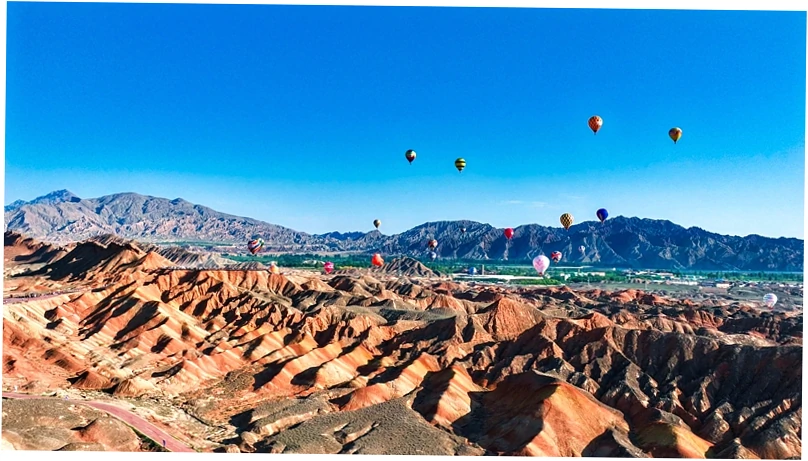
Photography and Experience Optimization
Capturing the Colors
Tool and method selection: The best light for photography is during the golden hours—sunrise and sunset—when the low angle of the sun intensifies the shadows and color contrasts.
A polarizing filter is highly recommended to cut through atmospheric haze and make the colors pop. A common frustration leads to searches like Why do my Rainbow Mountains photos look dull?
Often, the answer is shooting at midday under harsh light. For sunset, the Colorful Cloud Sea platform is the undisputed favorite spot.
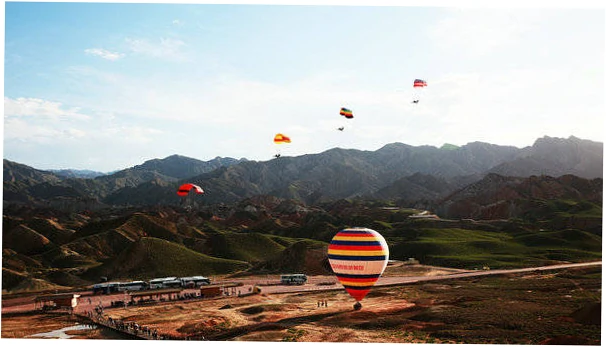
Beyond the Postcard Shot
Alternative experience paths: While most follow the shuttle bus route, the park offers alternative experiences. The Binggou area, though less intensely colored, features more dramatic eroded shapes.
Some visitors with more time search for Zhangye Danxia hiking trails beyond the platforms or photography tours for Zhangye starry sky, as the remote location offers excellent opportunities for astrophotography after the crowds leave.
| Risk Category | Specific Concerns (Real User Questions) | Likelihood | Mitigation Strategy |
|---|---|---|---|
| Weather Disappointment | What if it rains when I visit Rainbow Mountains? Will the colors be washed out? | Medium | Check forecasts, aim for post-rain sunlight. Colors are in the rock, not washed away. |
| Crowds Timing | Is Zhangye Danxia too crowded? Best time to avoid crowds at viewing platforms? | High (Peak seasons) | Visit on weekday, enter at park opening (6 AM) or later afternoon for sunset. |
| Altitude Health | Altitude sickness at Zhangye? (Park is at ~2000m, generally mild) | Low-Medium | Stay hydrated, ascend slowly, avoid strenuous activity if sensitive. |
| Logistical Hurdles | Difficulty getting from Zhangye station to park without tour? Language barrier issues buying tickets? | Medium | Use ride-hailing apps (Didi), have your hotel write down park name in Chinese, book tickets online via Ctrip/Trip.com. |
Alternative and Comparative Destinations
Other Colorful Landscapes in China
Substitute evaluation: For travelers with more time or a desire for raw adventure, Xinjiang’s Kuche Canyon offers a more rugged, Mars-like Danxia experience.
Qinghai’s Rainbow Mountains are often seen on road trips near the Dongtaixi Village—these are less protected and more subtle. A researcher might ask, Geological differences between Zhangye Danxia and Xinjiang Danxia?
The key difference is often the erosional pattern: Zhangye has rounded hills, while Xinjiang’s are sharper canyons.
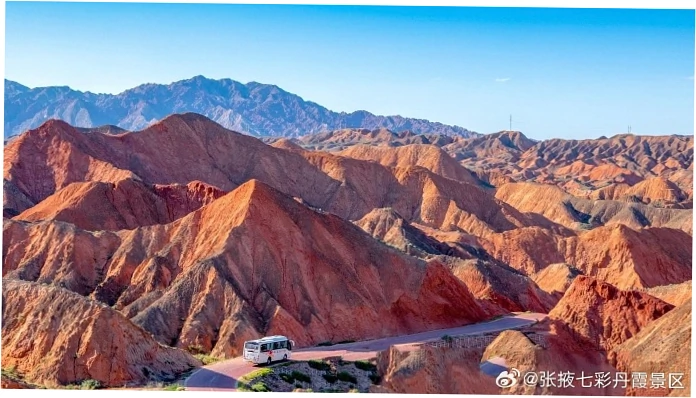
Global Comparisons: Peru vs. China
When deciding between rainbow mountains, people always compare with Peru’s Vinicunca. It really comes down to what kind of experience you want. In Peru, you need to do a tough high-altitude trek. But in China, you can just walk on easy boardwalks.
The colors in Peru are softer, more pastel. The Rainbow Mountains in China, though, have brighter, more vivid reds. If you’re comparing prices, you might search for the cost of a Peru trip versus a Zhangye tour. Generally, visiting the Rainbow Mountains in China is way cheaper for entry and getting around.
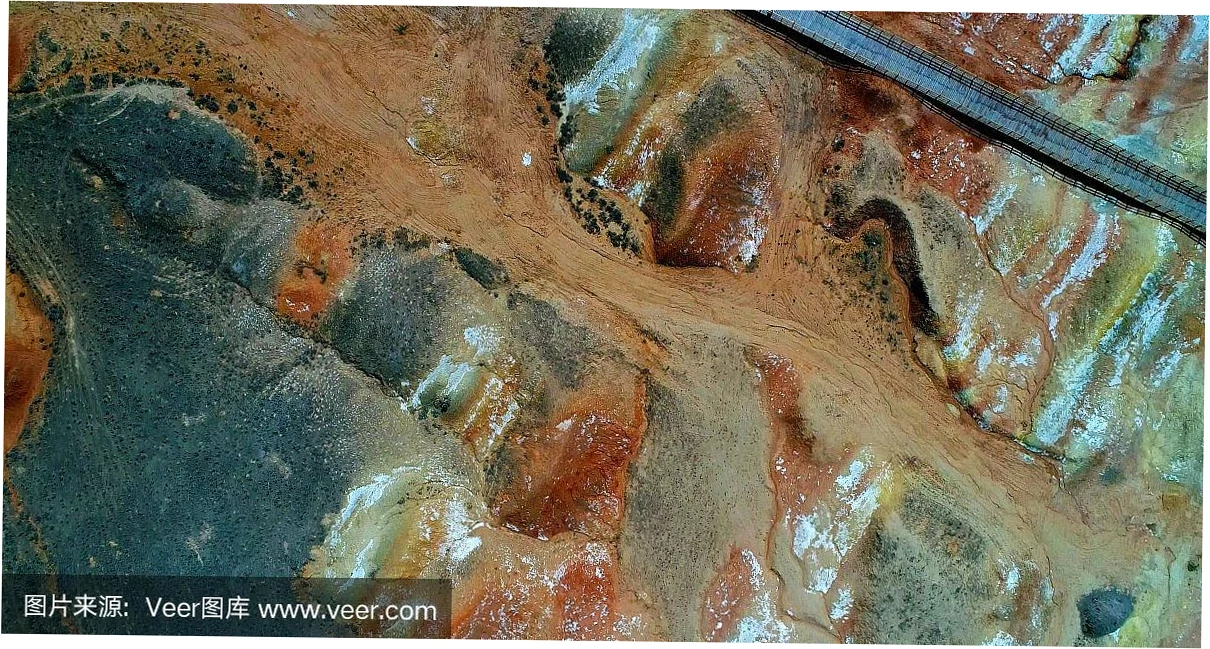
Scientific and Cultural Depth
The Geology in Detail
Advanced research path: For the scientifically curious, the layers represent a continuous sedimentary record from the Cretaceous to the Cenozoic. The specific iron oxides (hematite for red.
goethite for brown/yellow) and other minerals tell a story of ancient climate change. UNESCO recognized the China Danxia sites (including Zhangye) as a World Heritage property for this outstanding geological record.
Searches like research papers on Zhangye Danxia mineral composition or why are the Rainbow Mountains striped lead here.
Cultural and Historical Context
Broader semantic coverage: The Hexi Corridor, where Zhangye sits, was a crucial segment of the ancient Silk Road. The mountains weren’t a major tourist attraction historically but a natural barrier and landmark.
Today, their depiction in media (like in the film The Last Emperor) has fueled their fame. Understanding this context answers queries like Historical significance of Rainbow Mountains China beyond just their location.
| Visitor Type | Primary Goals Typical Questions | Recommended Focus | Potential Pitfalls to Avoid |
|---|---|---|---|
| Photography Enthusiasts | Best lens for Rainbow Mountains? Sunset vs sunrise photography at Zhangye? | Sunset at Platform 4, use polarizer, scout compositions early. | Getting stuck in one spot; not protecting gear from fine colored dust. |
| Family Travelers | Is Zhangye Danxia suitable for young kids? Stroller access on the boardwalks? | Stick to main platforms, use shuttle bus, visit in mild weather. | Long waits for buses with toddlers, limited shade. |
| Adventure/Solo Travelers | Hiking opportunities in Zhangye park? Meeting other travelers in Zhangye. | Explore Binggou area, stay in Zhangye old town hostels for socializing. | Underestimating sun/heat exposure on trails. |
| Geology/Academic Visitors | Guided geological tours of Danxia landform. Access to restricted research areas. | Contact park administration or local universities in advance for special access. | Assuming all information is available on public signage. |
Practical Execution and Final Tips
Booking and Itinerary Integration
Final decision pathway: The most efficient way is to book your park ticket (which includes the shuttle bus) online in advance, especially during peak season. Zhangye is best combined with a Silk Road itinerary.
A logical next step after answering where is planning how. Thus, searches evolve into Silk Road tour including Zhangye and Dunhuang for 7 days or Zhangye to Jiayuguan Fortress day trip.
I learned that booking a private driver for the day from Zhangye to the park and then onwards to the Matisi Temple Grottoes can be a highly efficient and rewarding combo.
On-the-Ground Wisdom
Here’s a tip from experience: wear strong shoes because the boardwalks get slippery. Don’t forget to bring water, sunscreen, and a hat since there’s hardly any shade. The colorful sandstone is delicate, so stick to the marked trails.
This protects the rock shapes and keeps you from getting fined. One last, super important piece of advice: keep your expectations in check. Lots of those ads and promo pics have the colors boosted. The actual view is still absolutely stunning.
Just remember, it’s a natural wonder, not some neon painting. This gets to the real question behind searches like Are the Rainbow Mountains in China worth the hype? or Is Zhangye Danxia overrated?
ready to stop just asking Where are the Rainbow Mountains in China? and start planning your trip? You can check out detailed Silk Road routes that include Zhangye and other amazing spots. Or, look at photo galleries comparing the different Danxia areas to help you pick where to go.
Frequently Asked Questions
I’ve seen incredibly bright red and blue photos online. Are the Rainbow Mountains colors really that vivid, or is it all Photoshop?
The colors are absolutely real and stunning, but professional photography under perfect light (sunset/sunrise) with polarizing filters maximizes their intensity. Midday on an overcast day will yield more subdued tones.
The most vibrant blues and greens are specific mineral streaks, not the dominant color. while some saturation boosting is common online, the natural phenomenon itself is genuinely spectacular.
What’s the main difference between going to the Rainbow Mountains in China versus taking a trip to see the ones in Peru?
The core difference is accessibility versus adventure. China’s Zhangye site has paved paths, shuttle buses, and easy access from a city, suitable for almost all fitness levels.
Peru’s Vinicunca requires a significant high-altitude hike (3 hours one way) starting above 4,000m. Scenically, China’s are more about rolling hills of layered reds, while Peru’s are sharp ridges with pastel stripes. Cost-wise, China is generally cheaper for entry and logistics.
How risky is it to visit Zhangye Danxia with young children or elderly parents? Are there any major accessibility issues?
The main viewing platforms are accessible via shuttle bus and connected by well-maintained boardwalks with railings, which are manageable for most. However, there are stairs at some platforms, and the paths can be long and exposed to sun.
For very young children or those with mobility issues, it’s doable but requires planning: avoid peak heat, stick to 1-2 platforms, and be prepared for waits for the shuttle buses. It’s not a stroller-friendly environment due to stairs.
I’m a serious landscape photographer. Beyond the standard sunset shot, are there any unique angles or less-crowded spots for photography within the park?
Yes! While Platform 4 is king for sunset, explore the perspectives from the other platforms at different times. The Binggou (Ice Valley) section of the park, often overlooked, offers more dramatic shapes and textures.
excellent for abstract compositions. consider the morning after shot—staying in a nearby hotel allows you to potentially capture the formations in soft morning light with mist, a rare and magical scene few tourists see.
Is it better to visit Zhangye Danxia on a guided tour from a major city like Beijing or Xi’an, or is it easy enough to plan independently?
It’s very feasible to visit independently. Zhangye is connected by high-speed rail, and the park’s ticketing/shuttle system is straightforward, even with limited Chinese. Independent travel offers flexibility with timing (crucial for photographers).
A guided tour from a distant city saves planning hassle but locks you into a fixed schedule and often spends less time at the park. A good middle ground is booking a local driver/guide in Zhangye for the day.
What are the hidden costs or potential scams I should watch out for when visiting the Rainbow Mountains in China?
Watch out for unofficial taxis at the train station. They might offer prices to the park that seem too good to be true. You’re better off using the Didi app or taking the official bus. Make sure your park ticket shows the shuttle bus fee is included.
That fee is mandatory. Sometimes drivers will tell you about other, supposedly better colorful mountains. Don’t fall for it. Those spots are usually worse and they’re just trying to get more money from you.
Just head straight to the official park entrance. Stuff like water and hats cost way more inside the park. Save some cash and buy them in Zhangye city before you head out.
If I only have one day in Zhangye, should I spend the whole time at the main Danxia park, or is it worth splitting time with the nearby Binggou area?
If it’s your first visit and you only have a day, you should spend most of your time at the main Colorful Danxia area. This is especially true during the golden hours. Those amazing colors and rock formations are the iconic view you’re here to see.
After you’re done with the main loop, if you’re not too tired and have time left, hop on the shuttle to Binggou. Your combo ticket covers it. You’ll get a different view of the geology there—it’s more rugged. Just don’t miss the best light at the main park just to go to Binggou.