Which Rainbow Mountain is better?
you’re trying to decide between the China rainbow mountain and Peru’s version? I’ve hiked both, so let me break it down for you. It really comes down to what kind of adventure you want. Peru’s Vinicunca is the iconic, high-altitude classic. On the other hand, China’s Zhangye Danxia is more accessible and offers its own uniquely colorful geological wonder.
Table of Content
Defining the Rainbow Mountains: What Are They?
Geological Origins and Mechanisms
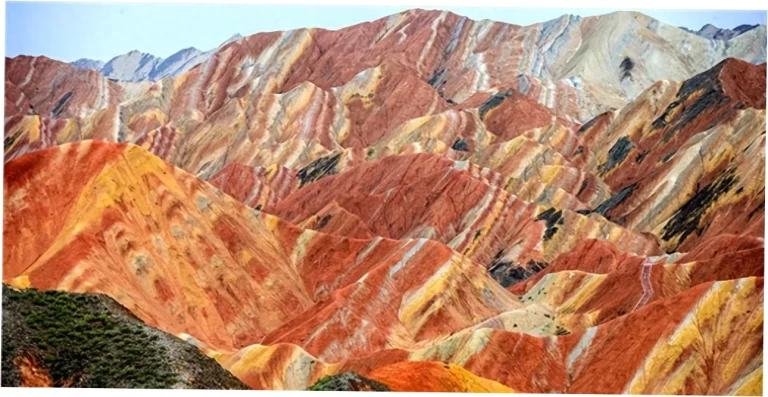
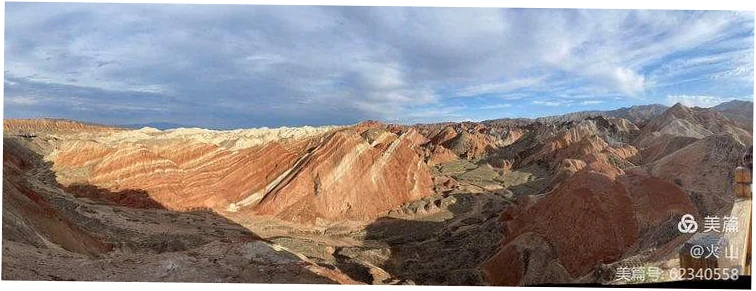
Core formation process: Both landscapes are masterpieces of mineral deposition and tectonic uplift. Peru’s Vinicunca, often called Montaña de Siete Colores (Mountain of Seven Colors), was formed by sedimentary layers rich in minerals like iron oxide (red), sulfur (yellow), and copper carbonate (green) being pushed to the surface. Similarly, the Zhangye Danxia landform in Gansu province, China, showcases its stripes through layers of red sandstone and mineral deposits shaped by erosion over 24 million years. A common user search like how were the rainbow mountains formed seeks this exact breakdown of the science behind the colors.
Key Attributes and Official Status
First, Peru’s Vinicunca. It’s one specific, super high peak in the Andes, sitting way up at about 5,200 meters. It’s not a UNESCO World Heritage site on its own, but it’s a famous part of the culturally rich Cusco region. China’s Zhangye Danxia is totally different in scale. It’s a huge, protected geological park covering more than 50 square kilometers. And it has the official title of a UNESCO Global Geopark. That’s why many travelers ask, Is Zhangye Danxia a UNESCO site? They want to know about its protected status and how important it is globally.
Direct Comparison: Peru vs China Side-by-Side
Visual and Experiential Differences
Color palette and landscape: Peru’s rainbow mountain features more blended, pastel-like stripes in a rugged, alpine setting, often with snow-capped peaks in the background—it’s a stark, high-altitude vista. China’s version displays bolder, more defined bands of red, yellow, and green in rolling, arid hills, creating a painterly effect. For those comparing, searches like Peru rainbow mountain colors vs China highlight the visual distinctions that influence photography and personal preference.
Accessibility and Tourism Infrastructure
Ease of visit and amenities: Reaching Vinicunca typically involves a multi-hour drive from Cusco followed by a challenging hike or horseback ride, with basic facilities at the trailhead. Zhangye Danxia, however, is more developed, with boardwalks, viewing platforms, and shuttle buses within the park, making it suitable for families or less mobile visitors. Practical questions such as Can you visit Zhangye Danxia without hiking? reflect concerns about physical demands and convenience.
| Feature | Peru Vinicunca | China Zhangye Danxia |
|---|---|---|
| Altitude | ~5,200 meters (17,060 ft) | ~1,500-2,500 meters (4,900-8,200 ft) |
| Best Time to Visit | Dry season (May-September) | April-October, avoid winter |
| Entry Cost (approx.) | $50-100 USD (tour included) | $20-30 USD (park fee) |
| Hiking Difficulty | High (altitude sickness risk) | Low to moderate (paved paths) |
| Photography Highlights | Morning light, panoramic views | Sunset colors, layered formations |
Decision-Making: Which One Should You Choose?
Scenarios and Target Audiences
Ideal visitor profiles: Choose Peru if you’re an experienced hiker seeking a physically demanding adventure with cultural immersion in the Andes—it pairs well with a Machu Picchu trip. Opt for China if you prefer easier access, want to combine it with Silk Road sites like the Mogao Caves, or have concerns about altitude. Searches like Is Peru rainbow mountain safe for seniors? or Zhangye Danxia with kids show how demographics drive choices, with Peru better for thrill-seekers and China for broader age groups.
Alternative Destinations and Substitutes
There are other colorful spots. If Peru and China aren’t for you, think about Argentina’s Hornocal Mountain, which has similar stripes, or Turkey’s Pamukkale with its white terraces. Want something more like Peru’s main spot but easier? Try Palccoyo in Peru. It’s another rainbow mountain, less crowded and not as high up. People looking at options often ask, Are there other rainbow mountains besides Peru and China? They want to know what else is out there beyond the big two.
| Risk Type | Peru Vinicunca | China Zhangye Danxia |
|---|---|---|
| First up, altitude sickness. | At Peru’s Vinicunca, it’s a high risk. You really need to spend 2-3 days getting used to the height in Cusco first. | For China’s Zhangye Danxia, the risk is low. You don’t have to worry much about the elevation there. |
| let’s talk about the weather. | In Peru, bad weather is common from October to April, the wet season. Trails can even close sometimes. | In China, sandstorms might happen. It’s a good idea to check the air quality before you go. |
| Now, about the crowds and the best time to visit. | Peru’s Rainbow Mountain gets super crowded between 10 AM and 2 PM. Your best bet is to start your hike really early. | China’s Rainbow Mountain is packed during holidays like Golden Week. |
| Finally, we should think about the impact on the environment. | Tourism causes erosion in Peru. Please stick to the marked paths to help protect it. | The park rules in China are strict. You’re not allowed to walk off the trails at all. |
Practical Planning and Problem-Solving
Logistics and Step-by-Step Guides
How to visit each: For Peru, book a tour from Cusco that includes transport, guide, and possibly oxygen—pack layers, sunscreen, and coca leaves for altitude. For China, fly to Zhangye airport, take a taxi to the park, and purchase tickets onsite; allocate 3-4 hours for the main viewing areas. Step-by-step queries such as How to get to Zhangye Danxia from Beijing or Peru rainbow mountain tour booking tips are common for first-time planners needing actionable advice.
Cost Breakdown and Budgeting
Financial considerations: A Peru trip costs more due to tours and acclimatization days, averaging $500-1,000 USD for a multi-day package. China is cheaper, with park entry under $30 and affordable local hotels, but factor in domestic flights. Budget-conscious travelers often search Zhangye Danxia cost per day or Is Peru rainbow mountain expensive? to manage expenses, with Peru being a premium experience and China more budget-friendly.
Risks, Limitations, and Common Mistakes
Health and Safety Concerns
Potential hazards: In Peru, altitude sickness is the top risk—symptoms include headaches and nausea; ascend slowly and consider medication. In China, heat and dehydration can be issues in summer, so carry water and wear hats. Misconceptions like Is Peru rainbow mountain dangerous? often overlook preparation, while Zhangye Danxia weather warnings remind visitors to check forecasts for extreme conditions.
Cultural and Ethical Considerations
We all need to be respectful and think about sustainability. Both places are dealing with too many tourists. In Peru, try to support local guides and please don’t litter. In China, make sure you follow all the park rules to help protect those fragile, colorful rock formations. More and more people are asking ethical questions like, How can I visit the rainbow mountains responsibly?. This shows a growing awareness. Good tips include visiting during the off-peak season and choosing tour operators who are eco-friendly.
| Metric | Peru Vinicunca (Annual) | China Zhangye Danxia (Annual) |
|---|---|---|
| Visitor Numbers | ~500,000 (pre-pandemic) | ~1 million (increasing yearly) |
| Economic Impact | Boosts local communities in Cusco | Significant tourism revenue for Gansu |
| Conservation Efforts | Limited; erosion control projects | Active; UNESCO monitoring and restoration |
| Case Study Example | 2019 trail improvements reduced accidents | 2020 visitor caps implemented for sustainability |
Advanced Insights and Research Angles
Geological Studies and Scientific Value
Research opportunities: Scientists study Peru’s layers for insights into Andean uplift, while China’s formations reveal ancient climate patterns. For enthusiasts, searches like Geology of Zhangye Danxia research papers or Peru rainbow mountain mineral analysis point to deeper academic interests, with both sites offering rich data on Earth’s history.
Photography and Artistic Inspiration
Creative applications: Photographers favor Peru for dramatic, high-contrast shots at sunrise, and China for vibrant hues at dusk. Artists might draw inspiration from the unique patterns, as seen in queries like Best camera settings for rainbow mountain photography or Painting Zhangye Danxia landscapes.
Frequently Asked Questions (FAQ)
Is Peru’s rainbow mountain really worth the hike, or is it overrated?
It’s worth it for adventure-seekers, but can feel overrated if you’re unprepared for the altitude or crowds—acclimatize properly and go early to enjoy the stunning views without the rush.
Can you see the colors at Zhangye Danxia in rainy weather?
Yes, but they appear more muted; the best colors pop under clear skies after rain, so check forecasts and aim for sunny days for optimal vibrancy.
Which rainbow mountain is safer for people with health issues?
China’s Zhangye Danxia is safer due to lower altitude and easier access, while Peru’s high elevation poses risks for those with heart or respiratory conditions—consult a doctor before either trip.
How do the costs compare for a family trip to both destinations?
China is generally cheaper for families, with lower entry fees and more amenities, whereas Peru involves higher tour costs and potential extra days for acclimatization, increasing expenses.
Are there any hidden fees or scams to watch out for at these sites?
In Peru, beware of unofficial guides charging exorbitant prices; in China, avoid unlicensed taxis near the park. Book through reputable agencies and verify all costs upfront.
What’s the best time of year to avoid crowds at both locations?
For Peru, visit in shoulder seasons like April or October; for China, avoid national holidays and try weekdays in spring or autumn for a quieter experience.
Can you combine a visit to Zhangye Danxia with other Chinese attractions?
Oh, absolutely! You can easily combine Zhangye Danxia with other cool spots. Pair it with the Mogao Caves in Dunhuang or a section of the Great Wall at Jiayuguan. This creates a fantastic Silk Road trip, turning it into a journey with multiple amazing destinations.
Ready to learn more? You can compare detailed travel plans. Or, why not share your own rainbow mountain stories in our travel forum? Your experience could really help someone else make their decision!