How to reach Badaling Great Wall by bus?
So you’re planning a trip to the Badaling Great Wall and want to know how to get there on your own, without a tour? I’ve been in your shoes, standing at a bus stop with a map, trying to crack the public transport code. Here’s the good news: getting from central Beijing to this famous part of the Wall is totally possible. In fact, figuring out the journey can be a fun part of the whole adventure. This guide clears up the confusion. We’ll focus directly on your bus and train options for getting straight to the historic Badaling Great Wall. We’ll compare the different routes, give you insider tips for getting around the stations, and lay out all the costs. That way, you can plan a hassle-free, solo trip to one of the world’s greatest wonders.
Table of Content
- Choosing Your Public Transport Route to Badaling
- Comparing Cost, Time, and Convenience
- Essential Pre-Trip Planning and Tips
- Navigating the Badaling Arrival and Return
- Avoiding Common Pitfalls and Scams
- Sustainable and Ethical Travel Considerations
- Ready to conquer the Wall your way?
- FAQ: Badaling Great Wall Bus and Public Transport
Choosing Your Public Transport Route to Badaling
Direct Bus 877 from Deshengmen
Core Operation: Locating and boarding the express bus.
Finding the right departure point is half the battle. The most popular and direct option is Bus 877, which departs from near the Deshengmen Arrow Tower.
From the Jishuitan subway station (Exit B2), follow the clear signs pointing towards the bus terminal. I remember the initial walk being longer than expected, so wear comfortable shoes.
The queue can be substantial, especially on weekends and public holidays; arriving before 8 AM is my golden rule to avoid the worst crowds. The buses are modern, air-conditioned coaches, not your typical city bus.
The journey takes approximately 70-90 minutes on the Badaling Expressway, depending on traffic, and costs a flat 12 RMB (around $1.70) for a one-way ticket if you pay with your Yikatong (Beijing transportation card), which offers a slight discount over cash.
Core Operation: Understanding the schedule and trip details.
The service frequency is excellent during peak hours, with buses departing as soon as they are full, sometimes every 5-10 minutes.
The last bus from Deshengmen to Badaling typically leaves around 12:30 PM, so a morning start is essential. The bus terminates at the Badaling Bus Park, a short 5-10 minute walk from the main ticket office and cable car stations.
A key tip: on your return, ensure you board the 877 bus from the same designated parking area. I once saw tourists mistakenly board tourist shuttle buses that looked similar but charged significantly higher fares. The return service from Badaling to Deshengmen usually runs until around 5:00 PM.
The Tourist Train S2 from Huangtudian Station
This is all about taking the scenic train route instead.
If you want a really scenic trip, think about the S2 suburban train. It leaves from Huangtudian Railway Station.
You can get there by taking the subway to either Huoying or Huangtudian station. I tried this route on my second visit and it was a really nice surprise. The train winds through the mountains and goes right past sections of the Great Wall.
You get amazing views right from your window, especially in spring with the blossoms or in the colorful autumn. The carriages are roomy and you can move around. It feels more relaxed than the bus ride.
Tickets are super cheap – only 7 RMB for a standard seat. But keep in mind, it runs on a set timetable. It’s not a frequent shuttle like the bus.
Now, dealing with tickets and the schedule.
The schedule is the most important thing here. You really need to check the latest timetable online before you head out, because it can change. Tickets are first-come, first-served.
You can’t book them online ahead of time for same-day travel. I’d suggest getting to Huangtudian Station at least 45 minutes early. That way you can snag a ticket and a decent seat. The train ride is about 80 minutes.
It arrives at Badaling Station, and then it’s a 15 to 20 minute walk to the entrance. It doesn’t run as often as the bus, but the whole experience and the views are totally worth it if you’re not in a big hurry.
Comparing Cost, Time, and Convenience
Bus vs. Train: A Side-by-Side Analysis
First, let’s weigh the good and bad points of each way to get there.
To help you decide, here are the key details compared side-by-side. The bus comes more often and drops you closer, which is perfect if you’re in a hurry.
The train ride is scenic and comfy, but you’ve gotta plan around its set timetable. If it’s your first time and you want the most flexibility, the 877 bus is usually the go-to choice. But if you hate getting stuck in traffic or want a cooler trip, the S2 train is a great pick.
| What to compare | The 877 Bus | The S2 Train |
|---|---|---|
| Where it leaves from | Deshengmen, close to Jishuitan subway station. | Huangtudian Railway Station. |
| How often it runs | Pretty often—every 5 to 10 minutes when it’s busy. | Not as often. It runs on a set schedule, about 5 to 8 times a day. |
| How long the trip takes | Between 70 and 90 minutes, depending on the traffic. | Around 80 minutes, and that’s pretty fixed. |
| One-way ticket price | 12 RMB if you use a Yikatong card, 14 RMB cash. | 7 RMB for a standard seat. |
| Walk from the stop to the wall entrance | Just a short 5 to 10 minute walk. | A bit longer, about 15 to 20 minutes on foot. |
| The big plus | Convenience How often it runs | You get great views and a more comfortable ride. |
Now, let’s think about the stuff you don’t always see, like crowds and the time of year.
Besides just the numbers, think about what the actual trip feels like.
On big holidays like Golden Week, the bus line can be crazy long—you might wait an hour just to get on. The train gets busy too, but they only sell so many tickets, so it doesn’t feel as wild.
In winter, the bus might be better because you don’t have to walk as far in the freezing cold. Here’s my rule of thumb: take the bus for a quick trip on a regular weekend. Choose the train for a relaxed weekday visit or when the scenery is at its best.
Essential Pre-Trip Planning and Tips
What to Prepare Before You Go
Core Operation: Gathering necessary tools and information.
If you’re traveling on your own, being prepared is key. First thing, get a Yikatong card and make sure it has at least 50 RMB on it.
You can use it on buses, the subway, and even some shops, so you won’t have to scramble for cash. Grab a good offline map app, like Maps.me or Baidu Maps (you might need a VPN for that).
Then, mark the important spots: the Deshengmen bus stop, Huangtudian Station, and the Badaling Great Wall entrance. The night before you go, check the Beijing Public Transport website or a trusted travel forum to get the most up-to-date S2 train schedule. I also screenshot important Chinese characters like (Badaling) and 877 (Bus 877) to show to locals if I need help.
Core Operation: Packing for the day trip.
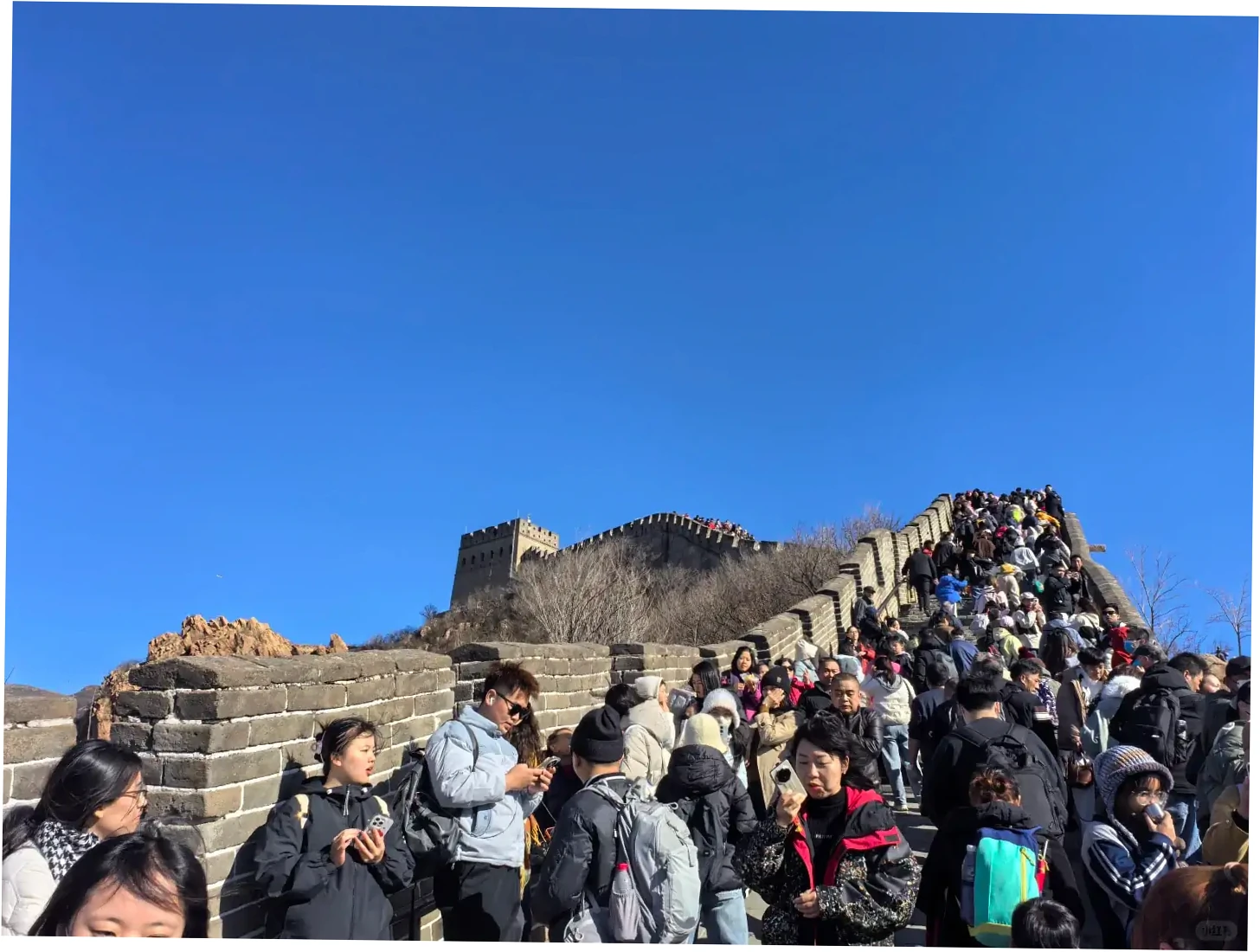
Packing the right stuff makes your whole day better. Wear comfy, strong shoes for walking. The Badaling Great Wall hike is tough.
and you’ll be walking a bit just to get from the bus or train to the entrance. Bring enough water and snacks. You can buy things at Badaling, but it’s pricey since it’s a tourist spot.
Don’t forget sun protection—a hat and sunscreen—and a light jacket. The weather up on the Wall changes fast and it’s usually windier than downtown. A portable charger for your phone is a real lifesaver.
keeping your maps and camera going all day. Finally, play it safe and bring some cash along with your Yikatong card.
Navigating the Badaling Arrival and Return
From Drop-off to the Ticket Gate
First thing’s first: figuring out where you are when you get to Badaling.
No matter if you take the bus or the train, you’ll see clear signs in both English and Chinese. They’ll point you straight to the ticketing area.
If you came on the 877 bus, just head up the main walking path from the parking lot. On your way, you’ll go right past the official ticket counters. Now, here’s a big choice you gotta make: cable car or hike up?
The walking trail kicks off to the left of the plaza. It’s a pretty steep hike, but doable, taking about 30 to 45 minutes. What I did was hike up and ride the cable car down. That combo worked out perfectly for me.
Oh, and don’t forget: your Great Wall entry ticket is bought separately. The cable car or toboggan ride needs its own ticket.
| Ticket Type | Peak Season (Apr-Oct) | Off-Peak Season (Nov-Mar) |
|---|---|---|
| Great Wall Entrance Only | 45 RMB | 40 RMB |
| Cable Car (One-way) | 100 RMB | 80 RMB |
| Cable Car (Round-trip) | 140 RMB | 120 RMB |
| Pulley Toboggan (Down) | 80 RMB | 60 RMB |
Next up, and this is super important: making sure you have a way back.
Here’s the number one tip: check when the last bus or train heads back. Write it down or remember it! Plan to spend at least two to three hours just checking out the Wall.
Give yourself plenty of time to get back to the bus or train station. To catch the 877 bus back, you’ll line up in the same parking lot where it let you off.
If you’re taking the S2 train, remember the station is a bit of a walk from the Wall entrance, so account for that extra time. Last time I went, the final bus was at 5 PM. I made sure I was back at the bus park by 4.
That left me a nice, comfortable cushion and saved me from any last-minute panic about getting stuck there.
Avoiding Common Pitfalls and Scams
Identifying Unofficial Tourist Buses
First up, let’s figure out how to tell the real public buses apart from private tour buses.
When you’re around the Deshengmen bus stop, you might run into people trying to sell you bus tickets straight to the Great Wall.
Those are usually private tours. They’ll charge you 50 to 100 RMB for the round trip, but here’s the catch: they force you to take their pricey guided tour or make you stop at a gift shop. The real deal, Bus 877, is easy to spot.
It has clear signs, staff in uniforms, and a set, cheap fare. Here’s a good rule of thumb: if someone’s really pushy or the price looks too steep, it’s probably not the public bus. Just head for the properly marked lines and pay with your Yikatong card when you get on the bus.
Next, let’s talk about avoiding taxi and car scams.
Sure, you could take a taxi or use a ride-hailing app to get to Badaling, but I don’t recommend it for most folks.
It’ll cost you a fortune—like 10 to 15 times more than the bus, easily 400 to 600 RMB just one way. And guess what? You’ll still be stuck in the same traffic.
Plus, some drivers might tell you the public bus isn’t running or try to drop you off at a different, less handy spot. The public buses and trains are way better for this trip.
They run often, you can count on them, and they’re made just for this route. The only time it *might* make sense is if you’ve got a big group of 4 or 5 people to split the fare. But honestly, even then, the bus or train is usually quicker because they have their own special lanes on the expressway.
Sustainable and Ethical Travel Considerations
Minimizing Your Environmental Footprint
Here’s a key move: pick the greener way to get around.
Taking the public bus or train instead of a private car or van is a super direct way to cut down your trip’s carbon footprint.
Public transport is just way more efficient for each person riding. A 2022 report found a full bus can pump out up to 85% less CO2 per person per kilometer compared to a car with just one person in it.
When you hop on the 877 bus or S2 train with everyone else, you’re joining a much more sustainable way to travel. Plus, using your rechargeable Yikatong card means less paper ticket trash.
Another smart move: back responsible tourism.
How you get there also matters for doing the right thing. The official buses and trains are run by the government. Their fares are set, so drivers get fair pay.
That’s not always the case with some unregulated tour companies. When you use it, your money helps keep this public service running. Once you’re on the Badaling Great Wall, remember Leave No Trace.
Pack out your trash, stick to the paths to avoid wearing it down, and please don’t carve or damage the ancient bricks. This helps make sure the Badaling Great Wall stays intact for folks to enjoy later on.
So, to wrap it up, getting to the Badaling Great Wall by public bus or train is totally doable. It’s also a budget-friendly, real-deal, and eco-conscious way to see Beijing.
Just do a tiny bit of prep: check where the 877 bus or S2 train leaves from and when, and have your Yikatong card loaded. Then you can easily skip the pricey tours and explore the Wall just how you like.
The 877 bus is a no-fuss, efficient ride. The S2 train gives you pretty views along the way. Either one drops you right at the base of this amazing piece of history.
Ready to conquer the Wall your way?
Save this guide for later! Got any bus or public transport tips for getting to the Badaling Great Wall? Drop them in the comments.
And once you’ve figured out the bus ride, head over to our other article. It breaks down the best hiking strategies for each section of the Wall.
FAQ: Badaling Great Wall Bus and Public Transport
What is the cheapest way to get to Badaling Great Wall from Beijing?
The absolute cheapest way is the S2 suburban train from Huangtudian Station, with a standard seat costing only 7 RMB one-way. The most cost-effective *and* convenient method for most travelers is the direct Bus 877 from Deshengmen.
which costs 12 RMB with a Yikatong card. Both are dramatically cheaper than taxis or organized tours.
Where exactly do I catch the Bus 877 to Badaling?
You catch Bus 877 at the Deshengmen bus hub, located directly next to the Deshengmen Arrow Tower. The easiest way is to take the Beijing Subway to Jishuitan Station (Line 2), exit B2, and follow the clear signs for the 877 bus. It’s a 5-7 minute walk from the subway exit to the dedicated queue area.
How frequent is the Bus 877 service?
During peak operating hours (roughly 6:00 AM to 12:30 PM from Deshengmen), the 877 bus departs with very high frequency, often every 5-10 minutes, or as soon as a bus is full.
This is a shuttle-style service, not a scheduled bus, so you rarely wait long. Frequency decreases in the afternoon for the return leg from Badaling.
Can I use the Beijing subway card (Yikatong) on the Badaling bus?
Yes, for sure! I’d really recommend using your Yikatong card on the 877 bus. Just tap your card on the reader when you get on, and it’ll automatically take off the 12 RMB fare.
It’s quicker than fumbling with cash (which costs 14 RMB), and you know you’re paying the right amount. That same card works on all the Beijing subways and pretty much all the city buses too.