Badaling Great Wall: Is It Overcrowded?
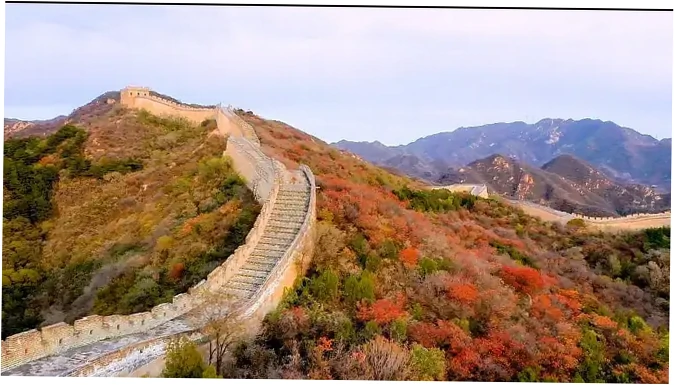
If it’s your first time in China, you’ll probably think of the Badaling Great Wall as the must-see spot. It’s this huge ancient wonder, built right into the mountains, and it’s just the classic picture everyone has in mind. But because it’s the easiest to get to from Beijing and it’s been fixed up really well, it gets super popular. That naturally makes people wonder, Is Badaling Great Wall too crowded? A lot of folks planning a trip ask themselves: will all those people ruin the history and the views? They want it to be easy to visit, but they also hope for a bit of peace at this amazing place. So, let’s get real about what it’s actually like to go there. We’ll look at how crowded it really gets, check out other parts of the Wall you could see instead, and give you some solid tips. Whether you’re after that perfect postcard shot or a quieter walk on the old wall, we’ve got you covered.
Table of Content
First up, let’s talk numbers and the busiest times at Badaling.
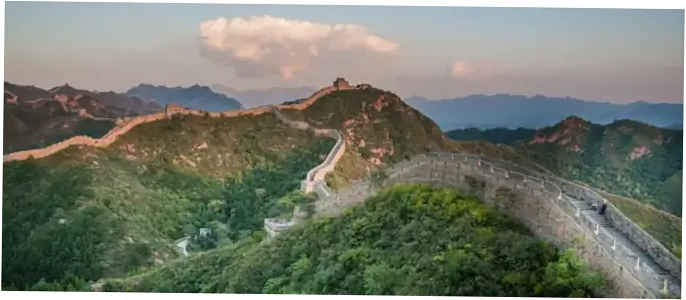
The Reality of Daily and Seasonal Crowds
Core Data: According to official statistics from the Beijing Municipal Culture and Tourism Bureau, the Badaling Great Wall received approximately 10 million visitors in 2019, making it one of the most visited single tourist attractions globally.
On peak days during the National Day Golden Week in October or the Labor Day holiday in May, daily foot traffic can surge to over 80,000. This translates to dense crowds on the main walkways.
especially on the popular north and south routes from the entrance. The experience during these ultra-peak times often involves navigating through slow-moving queues on the wall itself, which can impact both safety and enjoyment.
While these numbers dipped during recent global events, they have rebounded strongly, reaffirming Badaling’s status as a perpetual crowd magnet.
Seasonal and Weekly Patterns: The congestion is not constant year-round. Understanding the ebb and flow is key. The table below outlines the typical crowd intensity across different periods:
| Period | Crowd Level | Key Characteristics |
|---|---|---|
| National Holidays (Oct 1-7, May 1-5) | Extremely High | Maximum capacity, long waits for cable cars, crowded paths. |
| Summer (Jul-Aug) Autumn weekends (Sep-Oct) | High | Busy from mid-morning to mid-afternoon, dominated by tour groups. |
| Spring (Apr-Jun) Autumn weekdays (Sep-Oct) | Moderate | Manageable crowds, better for photography and pacing. |
| Winter (Nov-Mar) | Low to Moderate | Fewest visitors, offering solitude but with colder temperatures. |
| Weekday Mornings (before 9 AM) | Lowest | The optimal window for relative quiet, especially outside summer. |
Impact of Crowds on the Visitor Experience
Core Challenge: Navigating dense crowds fundamentally alters the experience of walking the Great Wall. The primary challenge shifts from historical contemplation to physical navigation.
On packed days, the wide, restored walkways can still feel narrow, making it difficult to stop for photos without disrupting the flow or to find a quiet moment to appreciate the panoramic views.
The constant buzz of large tour groups, often amplified by guides using microphones, can diminish the sense of ancient serenity many travelers seek. Furthermore, queues for essential facilities like the cable cars.
toboggans, and even restrooms can consume a significant portion of your visit time, reducing the actual time spent on the wall itself.
Safety and Accessibility Considerations: High visitor numbers also raise practical concerns. During peak hours, the stone steps can become congested, requiring extra caution.
especially for families with young children or visitors with mobility issues. While the Badaling section is the most wheelchair-accessible part of the Wall due to its restoration and cable car access, crowds can complicate this accessibility.
The collective desire for the perfect photo can sometimes lead to bottlenecks at classic vantage points. It’s a trade-off: the superb restoration and amenities that make Badaling accessible are the very reasons it attracts the masses, creating a cycle that defines the modern experience at this historic site.
Badaling vs. Other Great Wall Sections: A Crowd Comparison.
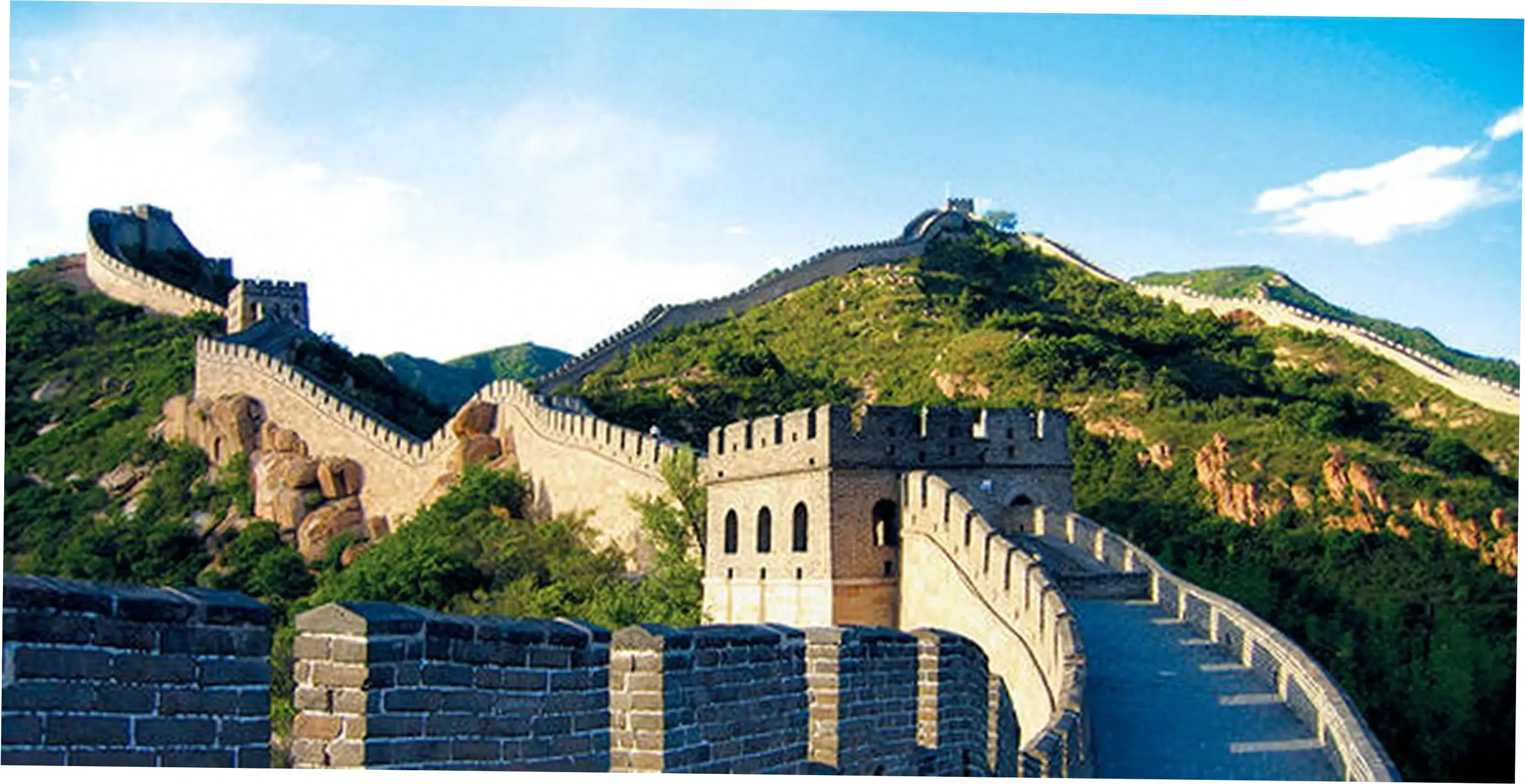
Mutianyu: The Family-Friendly Alternative
Core Comparison: Located roughly 90 minutes from central Beijing, Mutianyu is often cited as the primary alternative to Badaling for those seeking a less crowded experience.
While it is also popular and well-restored, its visitor numbers are typically 30-40% lower than Badaling’s on comparable days. The layout of Mutianyu, with its longer, more spread-out stretches and multiple cable car/toboggan entry points.
helps disperse crowds more effectively. The atmosphere tends to be slightly more relaxed, and it offers unique features like the toboggan slide down, which is a hit with families. However, it is not a secret.
weekend and holiday crowds can still be substantial, though rarely reaching the intense density of Badaling’s peak.
Experience and Scenery: The landscape at Mutianyu is arguably more scenic, with the wall snaking through dense forests and over steeper ridges. The restoration style is similar, but the surrounding greenery provides a different aesthetic.
For visitors who want the convenience of cable cars, good facilities, and restored walkways but with a marginally better chance of finding a quiet corner, Mutianyu presents a compelling option.
It successfully balances accessibility with a slightly more immersive natural environment, making it an excellent choice for first-time visitors wary of the worst crowds.
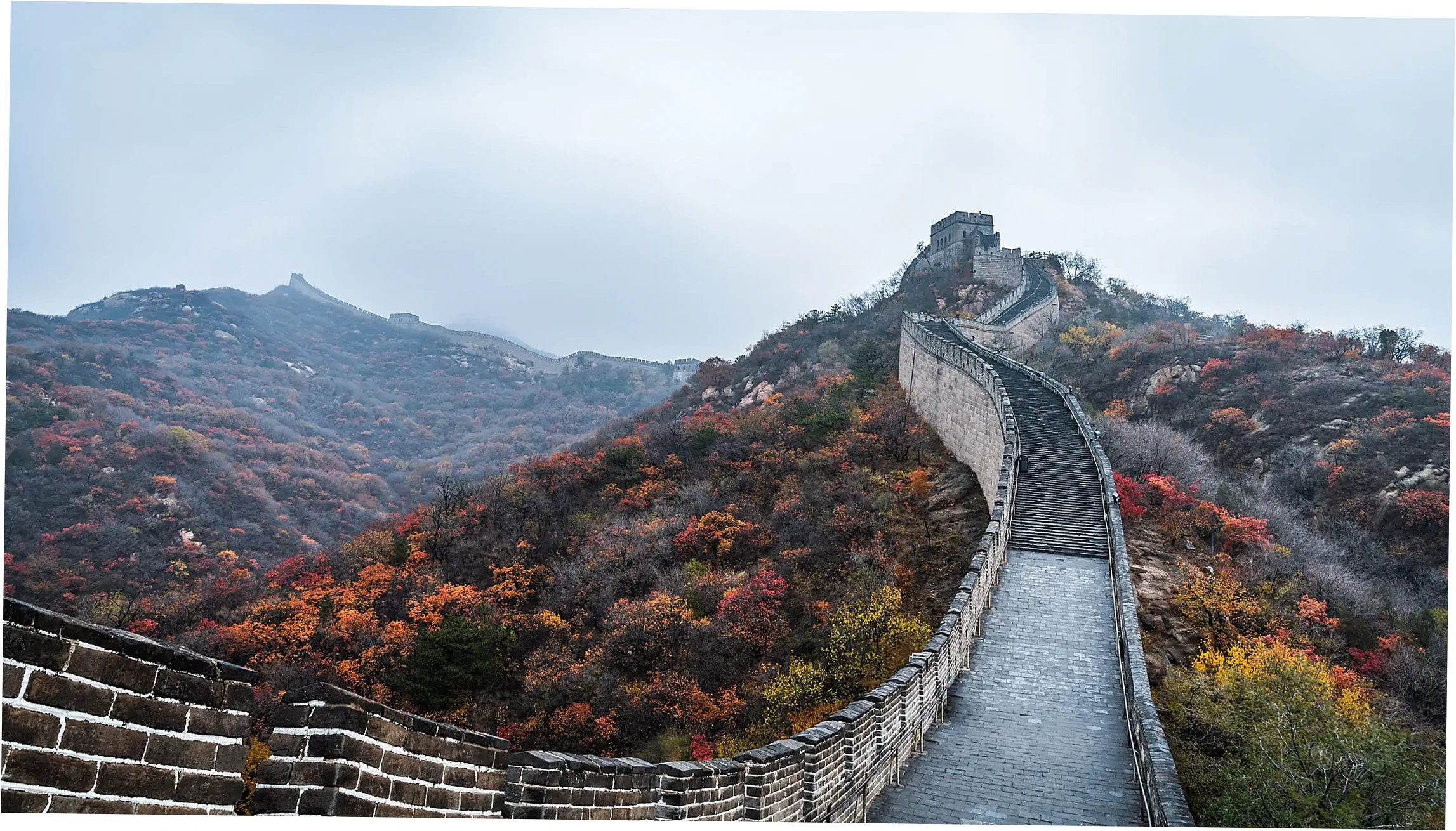
Jinshanling and Simatai: For the Adventurous Hiker
Here’s the core appeal. If being alone and seeing a more real, rough Wall is your top priority, the Jinshanling-Simatai section is the best. It’s a longer haul, about two and a half hours from Beijing by car.
Parts are fixed up, parts are totally wild. The views will knock your socks off, and you’ll see way, way fewer people. Go on a weekday, and you might only run into a few other folks over miles of wall.
But there’s a big trade-off. The walking is tough – steep, uneven steps, parts with no guardrails. You need to be in decent shape and have good shoes. And don’t expect the facilities you get at Badaling. They’re pretty basic here.
Here’s the classic way to do it: hike from Jinshanling to Simatai West (Simatai East is usually closed). It’s a solid 3 to 4 hour walk, and you’ll see watchtowers in all sorts of conditions, from repaired to ruined.
This isn’t some quick half-day thing. You need to set aside a whole day, and you’ll probably want to hire a driver or join a tour. But the reward is totally worth it. You get this amazing feeling of discovery and a real connection to history.
You’ll hear the wind, not the crowds. And you can take photos of the wall snaking over the mountains without a single person in your shot. For photographers, history buffs, and serious hikers.
putting in the extra effort to get to Jinshanling is almost always the right move if you want to completely dodge the crowds.
| Section | Typical Crowd Level | Travel Time from Beijing | Key Experience |
|---|---|---|---|
| Badaling | Very High | ~1.5 hours | Fully restored, most accessible, iconic views, most crowded. |
| Mutianyu | Moderate-High | ~1.75 hours | Well-restored, family-friendly, scenic, toboggan option. |
| Jinshanling | Low | ~2.5 hours | Partially restored/wild, challenging hike, photogenic, quiet. |
| Jiankou (Wild) | Very Low (but risky) | ~2.5 hours | Completely wild, dangerous, for expert hikers only, no facilities. |
Proven Strategies for Beating the Badaling Crowds
Timing Your Visit: The Golden Hours
Core Strategy: The single most effective tactic for a better Badaling experience is meticulous timing. Arriving at the opening time (typically 6:30 AM in summer, 7:30 AM in winter) is transformative.
The first two hours of the day offer relative tranquility, cooler temperatures, and soft morning light ideal for photography. Most large tour buses from Beijing arrive between 9:30 AM and 11:00 AM, creating a sudden influx.
Similarly, visiting on a weekday (Tuesday through Thursday) is vastly superior to a weekend. For seasonal timing, late autumn (November) after the holiday rush and before deep winter, or early spring (April) before the May holiday, offer a sweet spot of pleasant weather and thinner crowds.
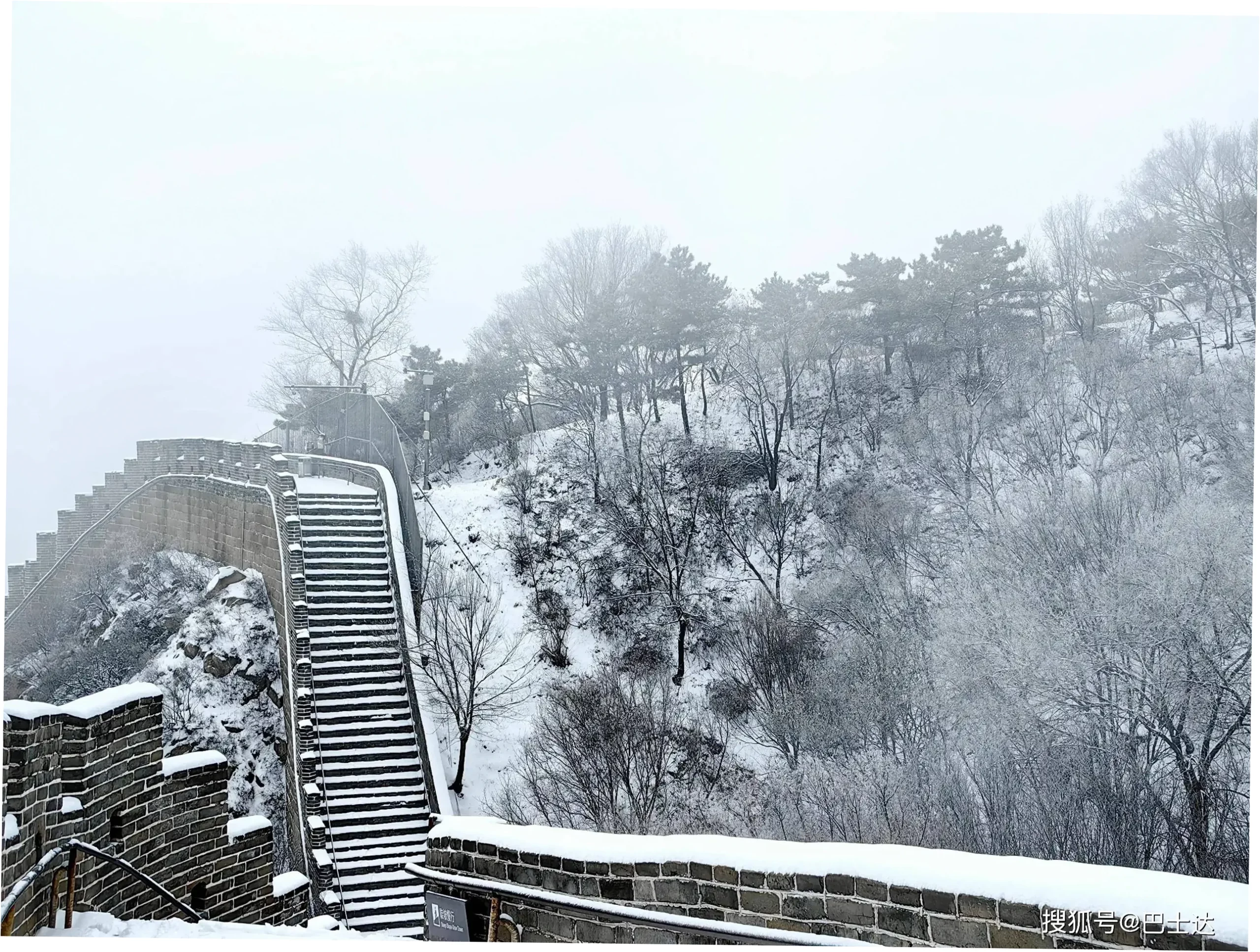
Weather and Off-Peak Leverage: Do not fear less-than-perfect weather. A drizzly day or a forecast of light snow in winter will deter the majority of casual visitors and tour groups, leaving the wall eerily quiet and shrouded in mist.
which can be a profoundly atmospheric experience. The official Badaling website and major travel apps often provide real-time visitor flow forecasts—checking these the night before can help you confirm your timing strategy.
Remember, the goal is to share the wall with dozens, not thousands, of fellow visitors, and strategic timing is your primary tool to achieve this.
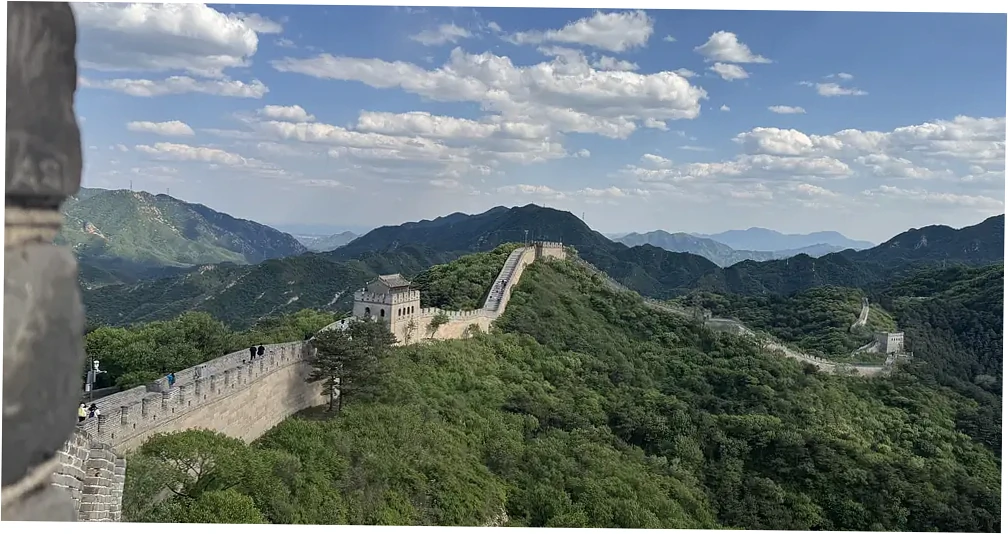
Route Selection and Ticket Booking Hacks
Core Navigation: Upon arrival, most visitors instinctively head for the nearest cable car or the main walking path straight ahead. Instead, research the entrance gates.
The south route (Nanxian) from the main entrance is often slightly less crowded than the iconic north route (Beixian) in the initial stages, though both lead to crowded peaks. Consider walking up instead of taking the cable car.
the climb is strenuous but bypasses what is often the longest queue of the day. Purchasing your entrance ticket online in advance (via platforms like the official WeChat account or travel sites) is non-negotiable; it saves time at the ticket office and guarantees entry if daily limits are approached.
Advanced Tactics: For those with more time, explore the less-publicized walking paths that branch off from the main restored areas. While safety should always come first and venturing onto unrepaired sections is forbidden.
some official peripheral paths see a fraction of the foot traffic. Carry your own water and snacks to avoid queues at the summit vendors. If you are part of a tour, choose one that explicitly advertises early bird access.
Finally, manage your expectations: even with perfect planning, Badaling is a major attraction. The strategy is to minimize crowd impact, not eliminate it entirely, allowing you to focus on the grandeur of the structure itself.
What to Expect: A Realistic Walkthrough of a Busy Day.
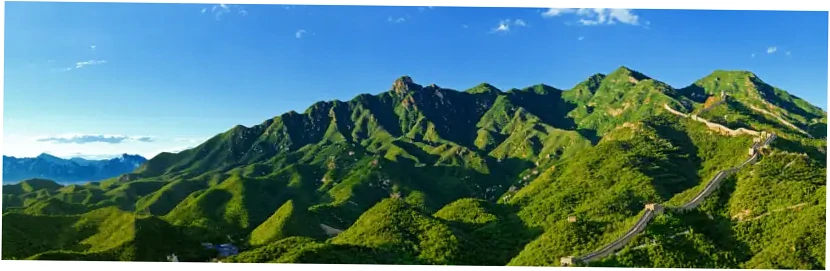
From Arrival to the Ramparts: The Initial Hurdles
On a typical busy day, like a summer weekend, it starts in a massive parking lot full of tour buses and cars. Then you walk down a long street packed with souvenir shops and restaurants just to get to the ticket check.
That can take 15 to 20 minutes. Once your ticket’s checked, you have to decide: hike up or wait in line for the cable car. At 10 AM, the cable car line can take anywhere from 45 minutes to an hour and a half.
The walking path is a steep, constant climb that takes about 45 minutes to an hour. Once you’re finally on the wall, there’s a steady stream of people moving along the main walkways.
You need patience to find a bit of space. To get a clean photo of just the wall, you have to wait for a quick break in the crowd.
The whole feel is lively and global. You’ll hear all sorts of languages, guides shouting for their groups, and the buzz of a big, excited crowd. Vendors are set up at busy spots selling water and souvenirs.
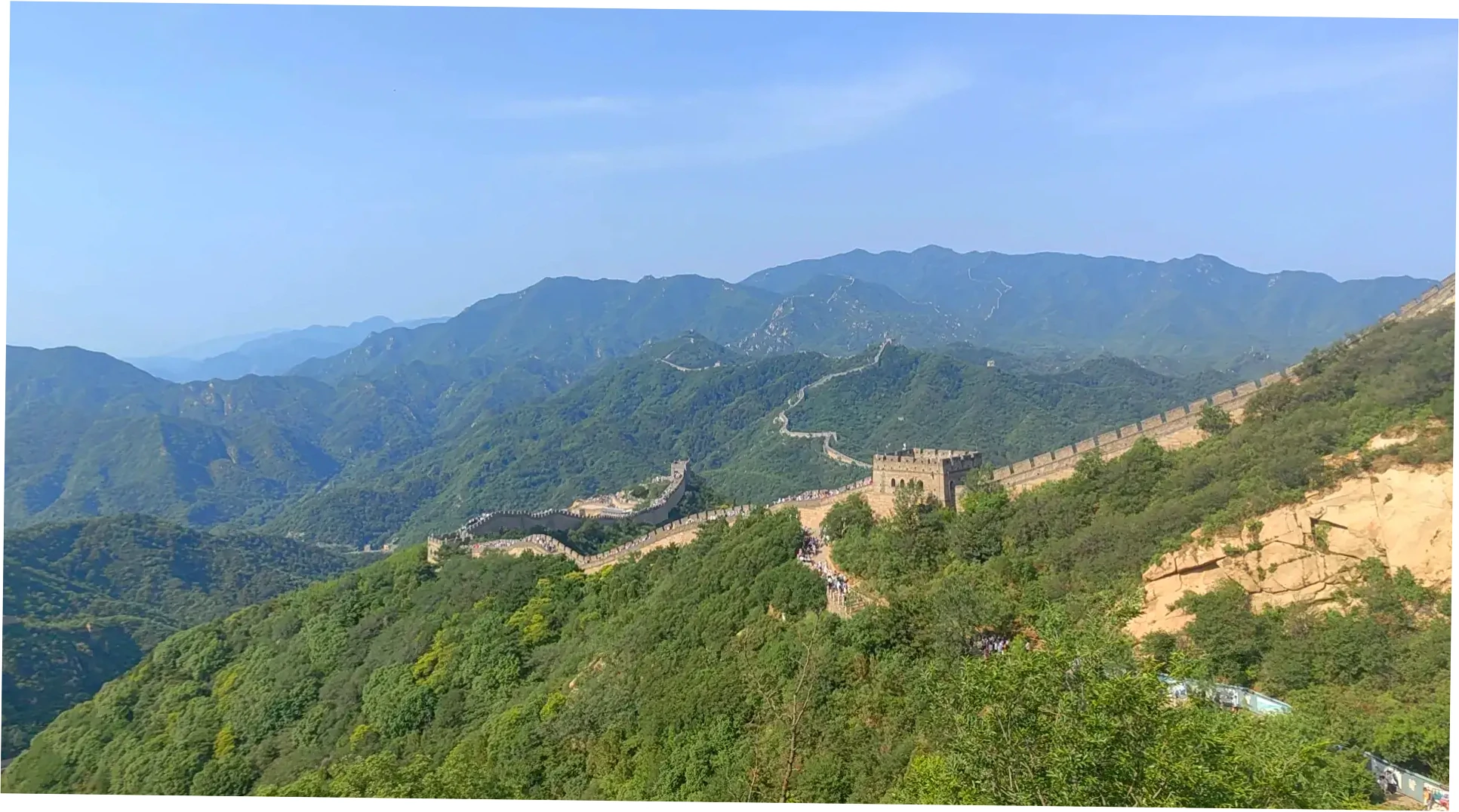
When you do get an unobstructed view, it’s seriously impressive. Seeing the wall snake over those rough hills is a powerful sight. But the experience isn’t really about quiet reflection.
It’s more like joining a huge global crowd visiting an incredible man-made wonder. It’s energetic, bustling, and can feel overwhelming. That’s a big contrast to the lonely, peaceful image people often have of the Great Wall.
Is Badaling Worth It Despite the Crowds?
The Case for Badaling: Accessibility and Iconic Status
Core Justification: For all its crowds, Badaling remains a valid and worthwhile destination for specific types of travelers. Its primary advantage is unmatched accessibility.
It has the best tourist infrastructure: multiple transport options (including a direct train from Beijing North Station), wheelchair-accessible cable cars, clean restrooms, and clear signage.
For visitors with limited time, mobility constraints, or young children, Badaling is often the only practical choice to experience the Wall. Furthermore, its restored condition provides the classic.
complete image of the Great Wall that many first-timers envision—the wide, crenelated walkways and imposing watchtowers seen in most photographs.
Historical Significance: Badaling was the first section opened to the public and has hosted countless dignitaries. There is a cultural significance in walking the same path that has been the backdrop for modern history.
If you approach it with the right mindset—accepting it as a bustling, world-famous landmark rather than a remote hiking trail—and employ crowd-avoidance strategies, you can still capture moments of awe.
The key is to lower expectations of solitude and raise expectations for people-watching and shared global appreciation.
When to Choose an Alternative Section
So when should you go somewhere else? Think about another section if: you mainly want photos without crowds in them, you’re after a tough hike somewhere quieter, you’ve got more than a day for the Wall, or you really can’t stand big crowds and noise.
Mutianyu is usually the next best bet. It’s got similar facilities and might be a bit less crowded. Jinshanling is for the real adventurers. Picking a different spot means more planning and usually costs more (for a private car, for example), but the experience you get is way, way better.
A quick heads-up and some final advice: Any trip to the Great Wall means you’ll be active and out in the weather. Make sure you’re fit enough, wear good shoes, and pack sunscreen and plenty of water.
Big crowds can make you more tired and stressed out. If you’re checking out a wilder part like Jiankou, don’t go solo. Get a local guide and know it can be pretty risky. The Great Wall is amazing, but play it safe and pick a spot that feels right for you.
So, to wrap it up, is Badaling Great Wall too crowded? Absolutely, at peak times. But that doesn’t mean you should skip it. It’s crowded for a reason: it’s iconic, really well-kept, and super easy to get to.
You can make it work. Go when it’s less busy (off-season, on a weekday, at sunrise), think about other parts like Mutianyu or Jinshanling for a change of pace, and just know what you’re getting into.
That way, you can plan a Great Wall trip that fits how much crowd you can handle. In the end, the Wall’s majesty still comes through loud and clear, whether you’re sharing it with thousands or have it almost to yourself.
Share Your Great Wall Experience!
So, did you face the crowds at Badaling, or did you manage to find some peace on a quieter part of the wall? We’re all ears for your stories and any advice you’ve got!
Drop your photos and tips in the comments. It’ll really help others plan their own awesome Great Wall trip. Thinking about tackling the wild Jiankou section? We’ve got a full guide right here with all the safety and planning details you’ll need.
FAQ: Badaling Great Wall Crowds
What is the absolute best time to visit Badaling to avoid crowds?
The optimal time is on a weekday (Tuesday-Thursday) at the exact moment the gates open, which is 6:30 AM in summer and 7:30 AM in winter. The period from opening until about 9:00 AM offers the least crowded conditions.
Seasonally, late November (after autumn colors) and early April (before the May holiday) provide a good balance of decent weather and lower visitor numbers.
Is Mutianyu really less crowded than Badaling?
Yes, Mutianyu is generally less crowded than Badaling, though it is still a popular destination. On comparable days, visitor numbers are typically 30-40% lower. Its longer, more spread-out layout also helps disperse people more effectively.
However, on Chinese national holidays and summer weekends, Mutianyu can also become quite busy, just not to the extreme peak density often seen at Badaling.
Can I visit Badaling without joining a tour group?
Absolutely, and it’s often recommended for flexibility. You can take a direct train (Line S2 from Huangtudian Station or Beijing North) to Badaling Station, a public bus (No. 877 from Deshengmen), or hire a private driver.
Self-guided travel allows you to control your schedule, enabling you to arrive early to beat the tour buses—the key strategy for avoiding the worst crowds.
Are there any quiet spots within the Badaling section itself?
The main paths near the entrance are always packed. But if you’re up for a longer walk, head further down the wall, away from the cable car stops and main gates. The crowds usually start to thin out there.
The steeper, more uphill parts tend to have fewer people. But on a super busy day, finding a spot that’s actually quiet is pretty tough. If you really want peace and quiet guaranteed, you’re better off picking a different section altogether, like Jinshanling.