Are China’s Rainbow Mountains Natural?
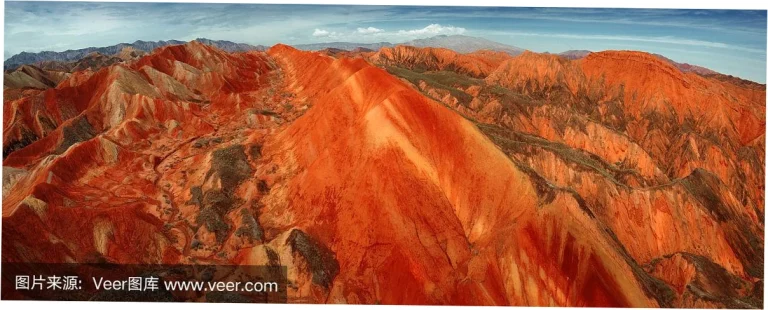
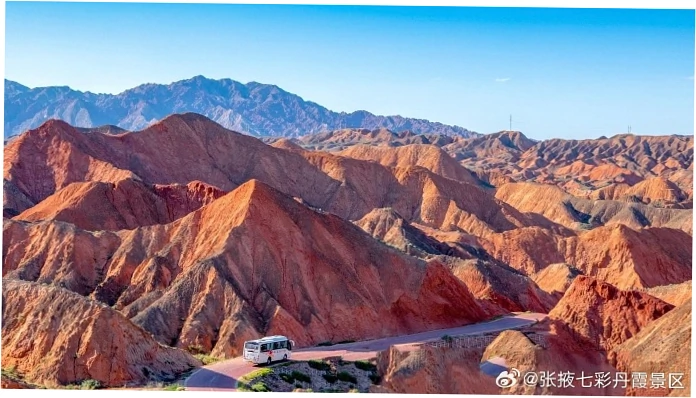
are China’s Rainbow Mountains actually natural? Yes, they’re amazing natural rock formations. But that super bright look you often see? It’s a mix. The colors come from natural minerals, but at popular tourist spots, people boost them a lot. They edit photos to make colors pop and build platforms that make everything look more intense. The key is knowing the difference. There’s the real, widespread Danxia geology, and then there are specific spots like Zhangye Danxia in Gansu that get branded as Rainbow Mountains. That’s where the natural stuff gets a big helping hand from tourism marketing.
Table of Content
Defining the Natural Geology of Rainbow Mountains
The Core Geological Process: Danxia Formation
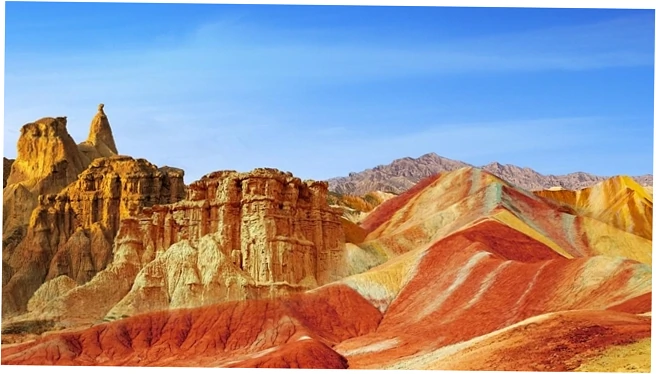
Formation Mechanism: The foundational process is entirely natural, known as Danxia geomorphology. It begins with the deposition of red sandstone and conglomerate layers over millions of years during the Cretaceous period.
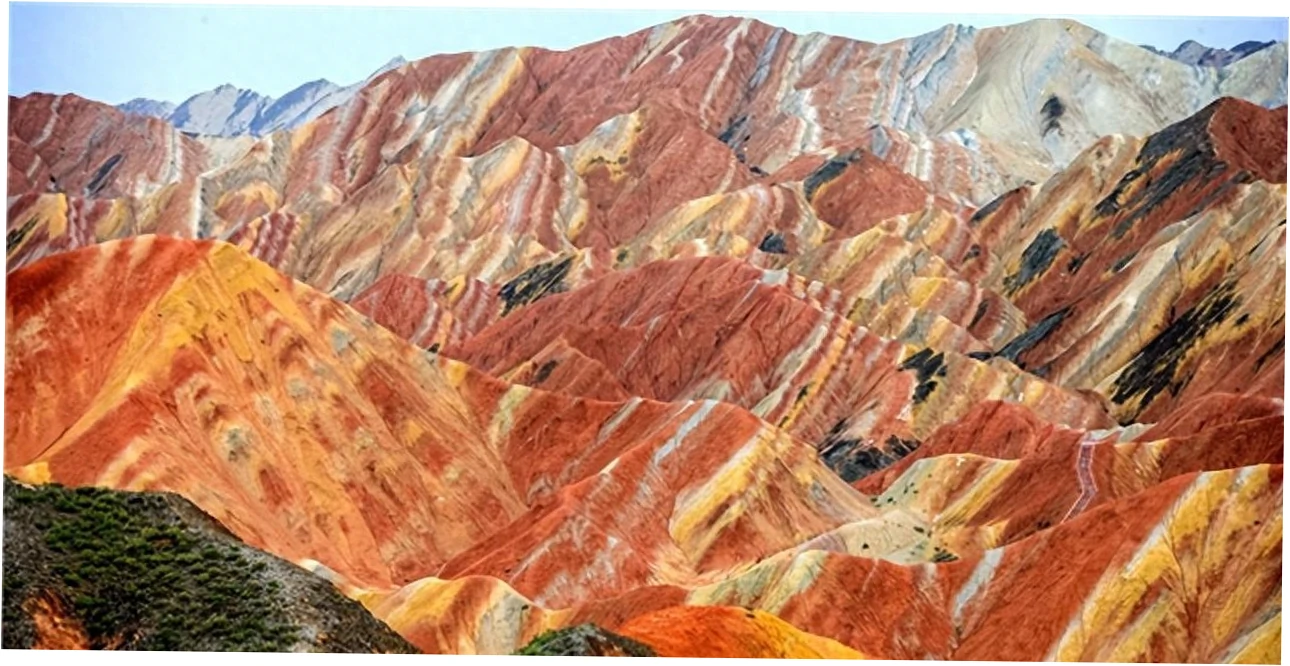
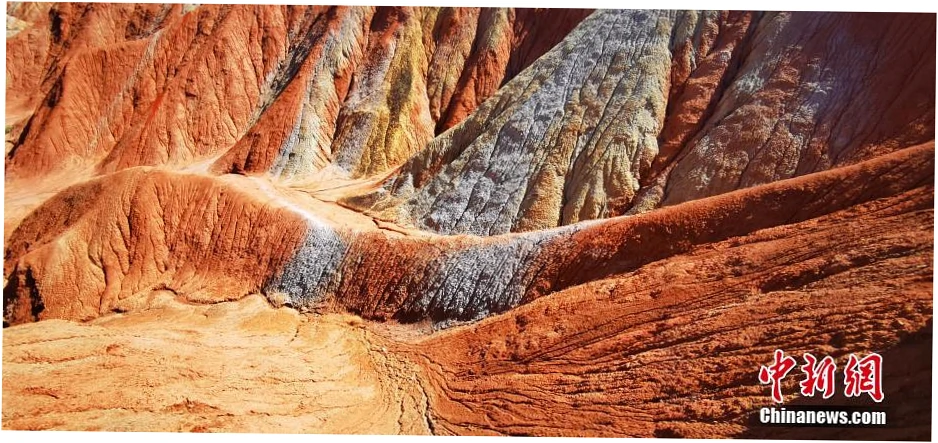
Subsequent tectonic uplift exposed these layers, and erosion by wind and water carved them into the dramatic peaks, pillars, and ravines we see today. The base red hue comes from iron oxide (rust) within the sandstone.
Mineral Palette and Color Variation: The iconic multi-colored bands are created by trace minerals deposited in different sedimentary layers. For instance, green and gray streaks often indicate reduced iron or chlorite minerals.
while yellow hues can come from limonite. A visitor researching what causes the colors in Zhangye Danxia or a student asking are the mineral layers in Rainbow Mountains real?
is seeking this precise geochemical explanation. The variation is natural, but its visibility depends on lighting and moisture.
Contrasting Natural Sites with Enhanced Presentations.
Zhangye Danxia: The Archetype of Enhancement
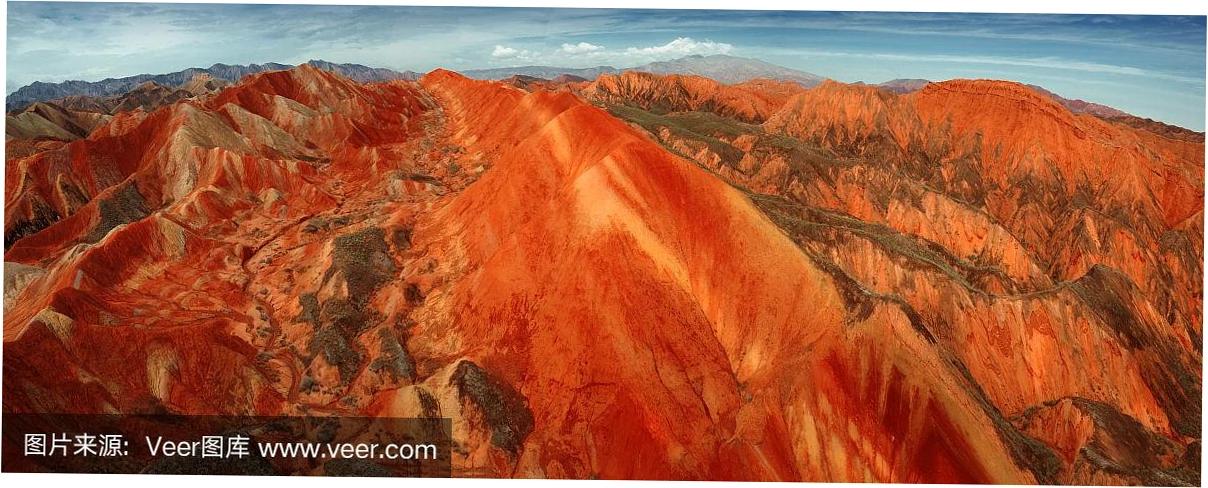
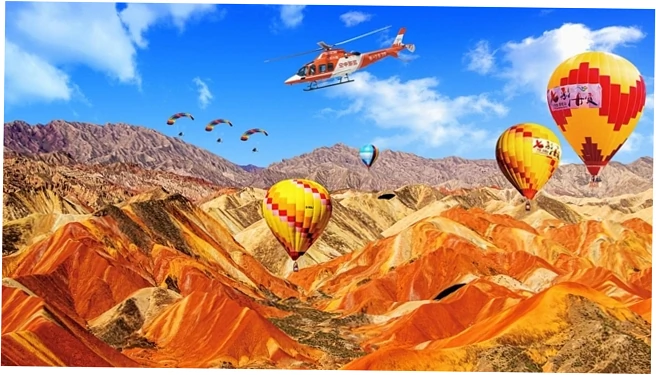
Natural Base vs. Perceived Intensity: The Zhangye Danxia National Geopark is a genuine Danxia landform. However, the ultra-vibrant, almost neon-colored images dominating tourism marketing are typically post-processed.
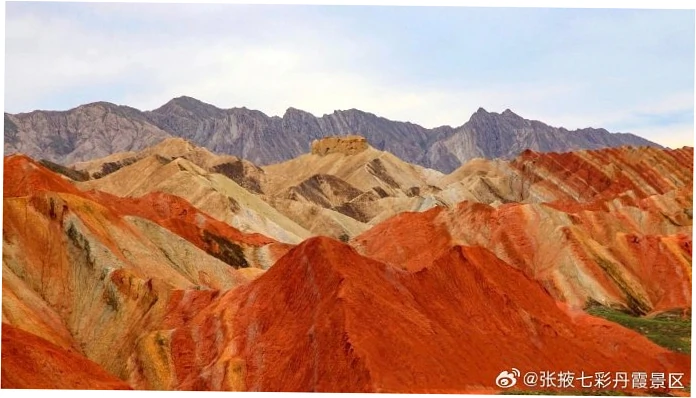
On-site, the colors are more subdued, earth-toned, and highly dependent on weather; they appear most vivid after rain under soft, diffuse light. Travelers often search is Zhangye Rainbow Mountain photoshopped?
or express disappointment with queries like why do the Rainbow Mountains look dull in person? This highlights the gap between digitally enhanced promotion and the slower, subtler beauty of the natural geology.
Alternative Natural Rainbow Landscapes in China
If you’re looking for real, untouched geological wonders, China has a few other spots that are less known. Take the Binggou Danxia area, also in Gansu. It’s got formations just as amazing, but way fewer people go there, and it’s not hyped up much.
Then there’s Danxia Mountain in Guangdong. It shows off those classic red cliffs, all set in a green, forested area. A photographer might hunt for pristine Danxia photo spots.
Meanwhile, a geotourist would probably wonder, Where can I find the most authentic, non-commercial Rainbow Mountains in China?
| Site Name (Province) | Primary Formation Type | Color Intensity (Natural) | Level of Tourism Development | Key Differentiator |
|---|---|---|---|---|
| Zhangye Danxia (Gansu) | Danxia / Colored Hills | Moderate to High (context-dependent) | Very High (boardwalks, buses, heavy marketing) | The iconic, heavily photographed benchmark; colors often enhanced in media. |
| Binggou Danxia (Gansu) | Danxia / Ravine Landform | Moderate | Low to Moderate | Adjacent to Zhangye; more rugged, canyon-like features with fewer visitors. |
| Danxia Mountain (Guangdong) | Danxia (Red Beds) | High (Red Dominant) | High (UNESCO site, well-developed) | Classic red cliffs with temples and forest; less about multi-color bands. |
| Rainbow Mountains (Peru) | Stratified Sedimentary | Very High (Mineral-rich) | Moderate (High-altitude trek) | Global comparison; often searched as China vs Peru Rainbow Mountains which is more colorful?. |
Practical Guide for Visitors and Photographers
Optimizing the Viewing Experience
Timing and Conditions: To witness the most vibrant natural display, planning is crucial. The optimal time is late afternoon, when the low-angle sunlight enriches the red and yellow tones.
The colors are most saturated immediately after rainfall, as wet rock surfaces deepen the hues. Conversely, midday sun under a clear sky can wash out colors.
leading to queries like best time of day to visit Zhangye for colors or does rain make Rainbow Mountains more colorful?. Seasonally, autumn offers stable weather and striking contrasts.
Photography Techniques for Authentic Representation
Capturing True Colors vs. Creative Enhancement: Ethical landscape photography here involves balancing documentation with art. Using a polarizing filter can reduce glare and naturally saturate colors without digital manipulation.
Shooting in RAW format allows for nuanced adjustments that can recover the colors seen by the human eye under ideal light, which cameras often fail to capture accurately.
Photographers debate this in forums, asking how to photograph Rainbow Mountains without over-saturating or seeking camera settings for realistic Danxia landform colors.
| Your Priority | Recommended Site | Key Consideration | Potential Risk to Mitigate |
|---|---|---|---|
| Seeing the Iconic, Accessible View | Zhangye Danxia Geopark | Manage expectations; colors are real but less neon than ads. | Crowds, commercial feel, weather dependency. |
| Geological Purity Solitude | Binggou Danxia or remote Gansu areas | Requires more independent travel planning. | Fewer facilities, less English support. |
| Academic Study Research | Multiple Danxia sites across China | Focus on stratigraphy and erosion patterns over color. | Access to specific research zones may be restricted. |
| Photography (Dramatic Shots) | Zhangye (for composition) Post-rain timing | Light is everything; scouting viewpoints is key. | Unpredictable weather, tripod restrictions on boardwalks. |
Risks, Misconceptions, and Environmental Impact
Common Misunderstandings and Disappointment Risks
The Photoshop Expectation Gap: The most significant risk is visitor disappointment due to unrealistic expectations set by heavily edited imagery. Many social media posts and even official tourism materials use heightened saturation.
creating an impossible standard. This leads directly to negative reviews and searches like Rainbow Mountains China fake or real? and is it worth visiting Zhangye Danxia if pictures are edited?. Understanding that nature operates on a different, more subtle palette is key to appreciation.
Conservation Challenges and Sustainable Tourism
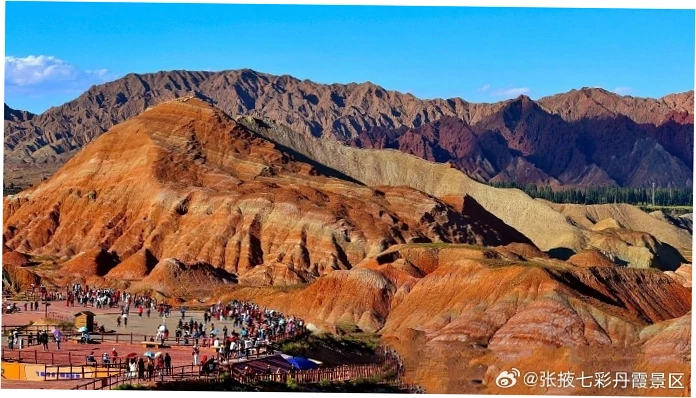
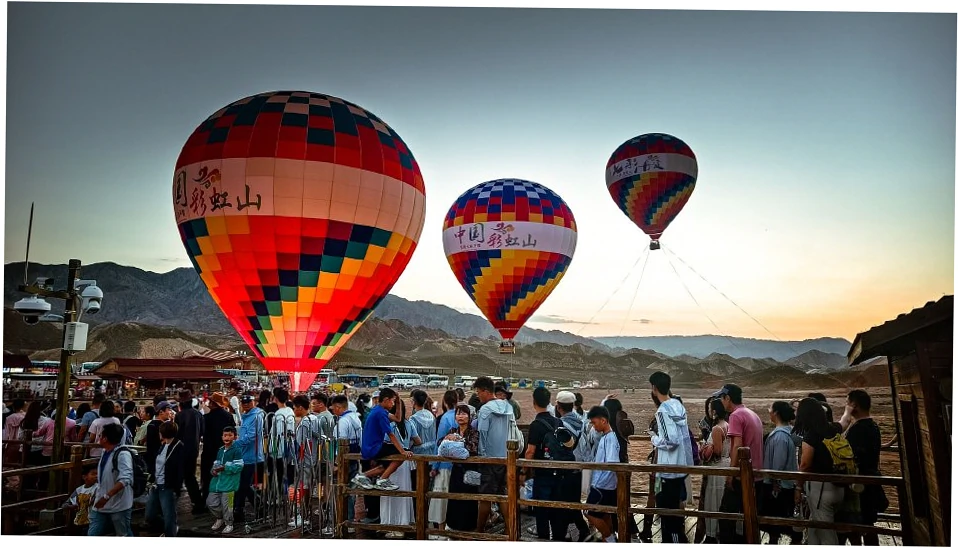
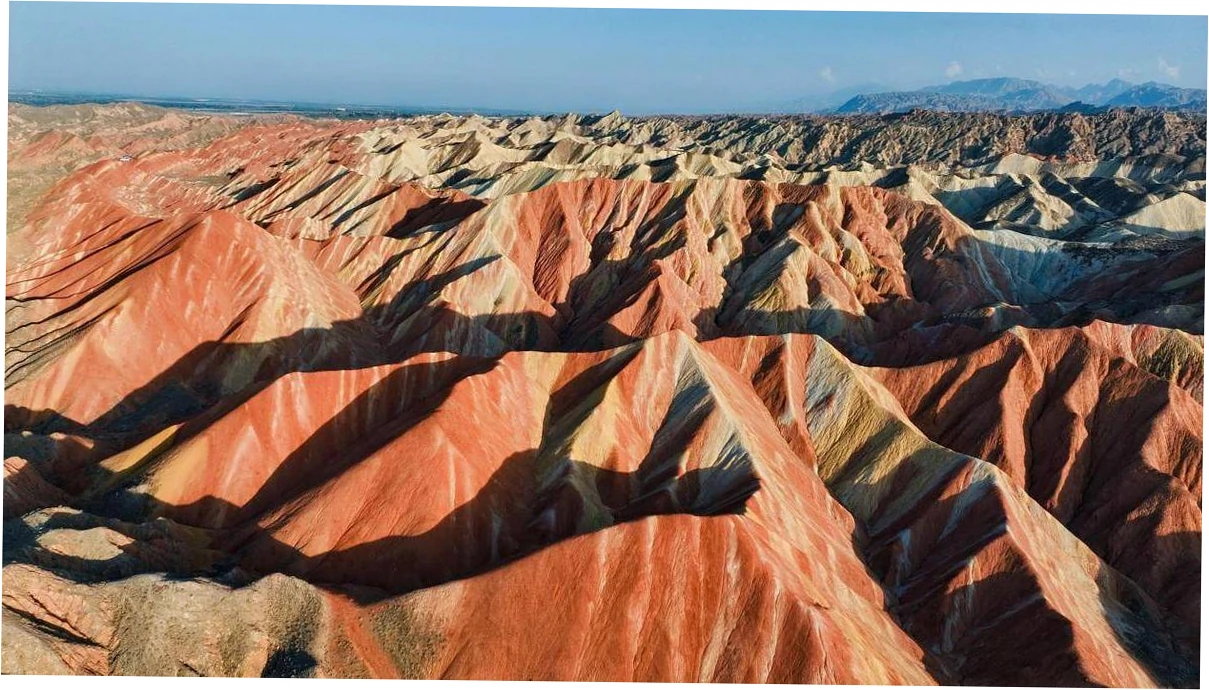
The Danxia rock is pretty soft and wears away easily, so protecting these fragile formations is key. In places like Zhangye, they build viewing platforms and boardwalks. It’s not just for our convenience.
The main goal is conservation. They want to stop millions of footsteps from literally wearing down the landscape. But having so many visitors itself puts stress on the ecosystem.
Travelers who care about the environment might look for sustainable tourism options at the Rainbow Mountains. They might even ask, Does tourism damage the Danxia landforms?
Scientific and Cultural Context
Geological Research and Significance
A Record of Earth’s History: For scientists, these mountains are not just pretty colors but open history books. The stratified layers provide a continuous sedimentary record of the Cretaceous environment.
offering clues about ancient climates and biological evolution. Research papers focus on the stratigraphic architecture of the Danxia Basin rather than its color appeal.
This answers deeper queries like what can we learn from Rainbow Mountain rock layers or why are Danxia landforms important to geologists?.
Cultural Integration and Naming
From Local Lore to Global Brand: The name Rainbow Mountains is a modern, marketing-friendly English term. Locally, they have been known for centuries by their geological name, Danxia, or by descriptive folk names.
Their incorporation into Chinese art and poetry historically focused on their majestic shapes rather than polychrome hues. The rebranding as Rainbow for international tourism is a fascinating case study in how natural wonders are packaged, prompting questions such as what is the original Chinese name for Rainbow Mountains?.
| Search Intent Type | Typical User Query Examples | Core Information Need | Content Response Focus |
|---|---|---|---|
| Definition Fact-Checking | Are the colors of Zhangye Danxia real? How were Rainbow Mountains formed? | Verification of authenticity, basic geological explanation. | Clear yes/no on natural origin, simplified process description. |
| Comparison Decision | Zhangye vs Peru Vinicunca: which is better? Most colorful Rainbow Mountain without crowds? | Data for travel planning, differentiating between options. | Structured comparisons (access, color, cost), alternative suggestions. |
| Problem-Solving | Why did my Rainbow Mountains photos look dull? Best month to visit for vibrant colors? | Practical solutions for failed expectations or technical challenges. | Actionable advice on timing, photography, weather planning. |
| Risk Assessment | Is Zhangye Danxia overrated? Rainbow Mountains tourist scam? | Identifying potential downsides, waste of time/money. | Honest drawbacks, managing expectations, highlighting conservation needs. |
| Advanced Research | Danxia geomorphology research papers Mineral composition of colored sandstone layers | Academic or deep technical understanding. | Scientific terminology, research directions, geological significance. |
Future Trends and Responsible Appreciation
The Evolution of Geotourism
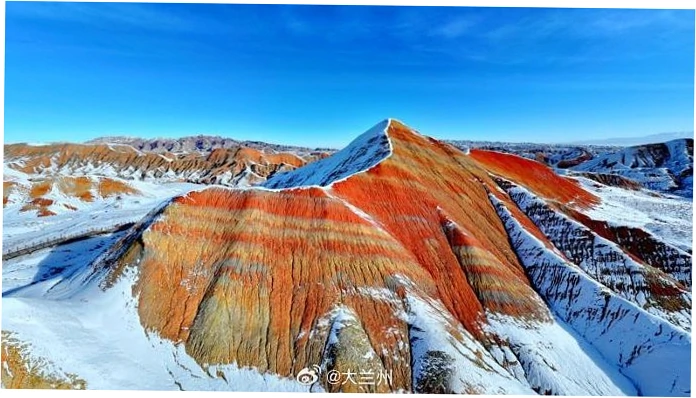
The future isn’t just about the wow factor. For places like the Rainbow Mountains, it’s about moving from just looking to learning – that’s educational geotourism.
This means having signs that explain the minerals and how it formed over millions of years. Not just pointing to the best photo spots. It answers the question: what can you learn at the Rainbow Mountains besides taking pictures?
It’s for more and more travelers who want meaningful trips, connected to science and protecting nature.
Personal Responsibility of the Traveler
Here’s the key thing to remember: when you look at China’s Rainbow Mountains, their naturalness isn’t a simple yes or no. It’s more like a range. On one end, you have the real geological story, and on the other.
you see the boosted, tourist-friendly version. as a smart traveler, your job is to look for that genuine geology, but also know about the commercial side.
Do a bit of homework on the conditions, follow the conservation rules, and set your expectations right. Then you can really get what makes these Rainbow Mountains so special. They’re a stunning, slow-made work of art by nature itself. To see that, you need patience and a little know-how.
Want to see more than just the postcard shot? Ready to plan a trip where you really understand these geological wonders? Check out our full travel guide.
We’ve compared the best ways to get there, when the colors are brightest, and picked out tour operators who do things right. It’ll help you plan the perfect trip to China’s Rainbow Mountains, one where you know exactly what to expect.
Frequently Asked Questions
I’ve seen incredibly bright photos online. Are the China Rainbow Mountains actually that colorful, or is it all Photoshop?
The colors are fundamentally real, created by mineral layers. However, the most intensely vibrant images circulating online are almost always digitally enhanced with increased saturation and contrast.
In person, the palette is more earthy and muted, appearing most vivid under specific natural conditions like after rain or during golden hour. The disparity often leads to the Photoshop expectation gap for first-time visitors.
Which is more impressive naturally: China’s Zhangye Danxia or Peru’s Vinicunca (Rainbow Mountain)?
This depends on your metrics. Geologically, both are natural stratified sedimentary mountains. In terms of raw, consistent color intensity, Peru’s Vinicunca often presents more striking.
contiguous bands of color due to its specific mineralogy and high-altitude, often snow-dusted setting. Zhangye offers a vaster, more varied landscape of multi-hued hills and peculiar erosional shapes. Peru’s site involves a strenuous trek, while Zhangye is more accessible via boardwalks.
What are the biggest risks or downsides of visiting the Zhangye Rainbow Mountains?
The primary risks are disappointment due to weather-dependent colors and overcrowding. On a cloudy or dry day, the landscape can appear quite dull. The highly developed tourist infrastructure can feel impersonal and crowded.
especially during holidays. There’s also a risk of supporting unsustainable tourism if visitors stray from paths, damaging the fragile sandstone. Researching the best time to visit and managing expectations are crucial mitigations.
As a geology student, what should I focus on when visiting these sites beyond the colors?
Move beyond the aesthetic and study the stratigraphic sequences, cross-bedding structures, and differential erosion patterns that create the pillars and towers.
Examine the contact between different colored layers to understand past depositional environments. Document the joint systems that control erosion. These sites are excellent natural laboratories for studying continental red bed sedimentation and arid-region geomorphology.
How much does a trip to see the Rainbow Mountains cost, and is the experience worth the price?
Costs vary widely. A basic entry and shuttle bus ticket for Zhangye Danxia Geopark costs around CNY 75 ($10-15). Adding transport from a major city like Beijing (flight to Zhangye hotel) can bring a 2-3 day trip to several hundred dollars.
Worth is subjective. If you understand it’s a natural geological site (not a neon-painted park), enjoy landscapes, and time your visit right, most find it worthwhile. If you expect the exact hyper-saturated online images, you may feel it’s not.
Are the Rainbow Mountains suitable for travelers with young children or limited mobility?
Zhangye Danxia, also known as the China Rainbow Mountains, is a pretty good spot to visit. Shuttle buses take you to the main spots. They drop you off at platforms that have flat, paved paths and stairs.
But you’ll still find steps and need to do some walking to get between different platforms. It’s not fully wheelchair-friendly everywhere, but if you can get around okay, you should manage.
With little kids, the tricky parts are keeping them entertained on the bus rides and watching them closely near the open cliff edges at some viewpoints.