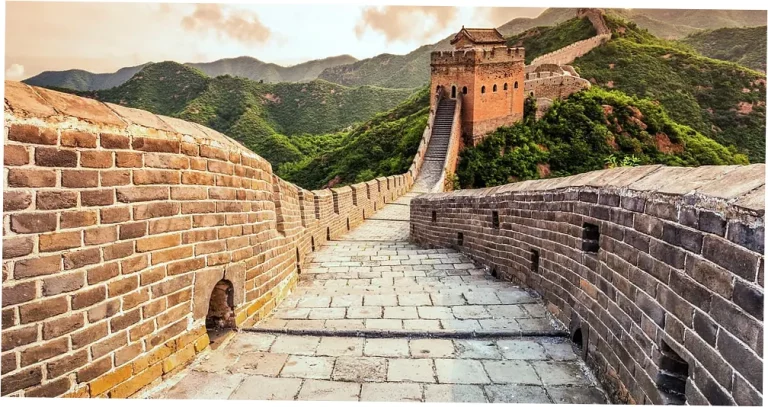
When’s Perfect Weather for Badaling Great Wall?
To plan a great trip to the Badaling Great Wall, it all comes down to picking the best season and the right day with good weather. This guide looks at Beijing’s weather, how busy it gets, and real visitor tips. It helps you find the perfect months and even the best weather windows for an awesome hike. We’ll talk about how to skip the brutal summer heat and freezing winter cold. We’ll also show you how to use the shoulder seasons for amazing photos and a comfy visit.
Table of Content
- Figuring out Beijing’s weather for your Badaling trip
- Finding the very best months to go
- What to pack and how to prepare for each season
- More than just weather: getting the best photos
- Wrapping up: our final tips
- All set to plan your perfect trip?
- Your questions answered: Badaling Great Wall weather and timing
Decoding Beijing’s Climate for Badaling Trips
Seasonal Weather Patterns Analysis
Core Analysis: Badaling experiences a temperate continental monsoon climate with four distinct seasons. Spring (April-May) brings mild temperatures averaging 10-20°C (50-68°F) but is prone to sudden wind gusts and occasional sandstorms.
Summer (June-August) is hot and humid, with July averages around 26°C (79°F) but frequent afternoon thunderstorms that can make the ancient stone steps slippery.
Autumn (September-October) offers the most stable conditions: clear, blue skies, low humidity, and comfortable temperatures between 10-22°C (50-72°F). Winter (November-March) is cold and dry.
with January averages around -5°C (23°F) and occasional snow that transforms the wall into a breathtaking but potentially icy landscape.

Monthly Temperature and Precipitation Guide
The table below pulls together past weather data and travel info to give you a clear picture of what to expect. This info is key for packing right and knowing how long and tough your hike might be.
| Month | Avg. High (°C/°F) | Avg. Low (°C/°F) | Rainfall (mm) | Rainy Days | How Good to Visit |
|---|---|---|---|---|---|
| April | 19 / 66 | 6 / 43 | 18 | 4 | Good (but it can be windy) |
| May | 24 / 75 | 12 / 54 | 33 | 6 | Very Good |
| September | 25 / 77 | 14 / 57 | 45 | 7 | Excellent |
| October | 19 / 66 | 7 / 45 | 21 | 5 | Excellent |
| November | 10 / 50 | 0 / 32 | 7 | 3 | Okay (but it can get pretty cold) |
Pinpointing the Absolute Best Months to Visit
Autumn: The Unbeatable Champion Season
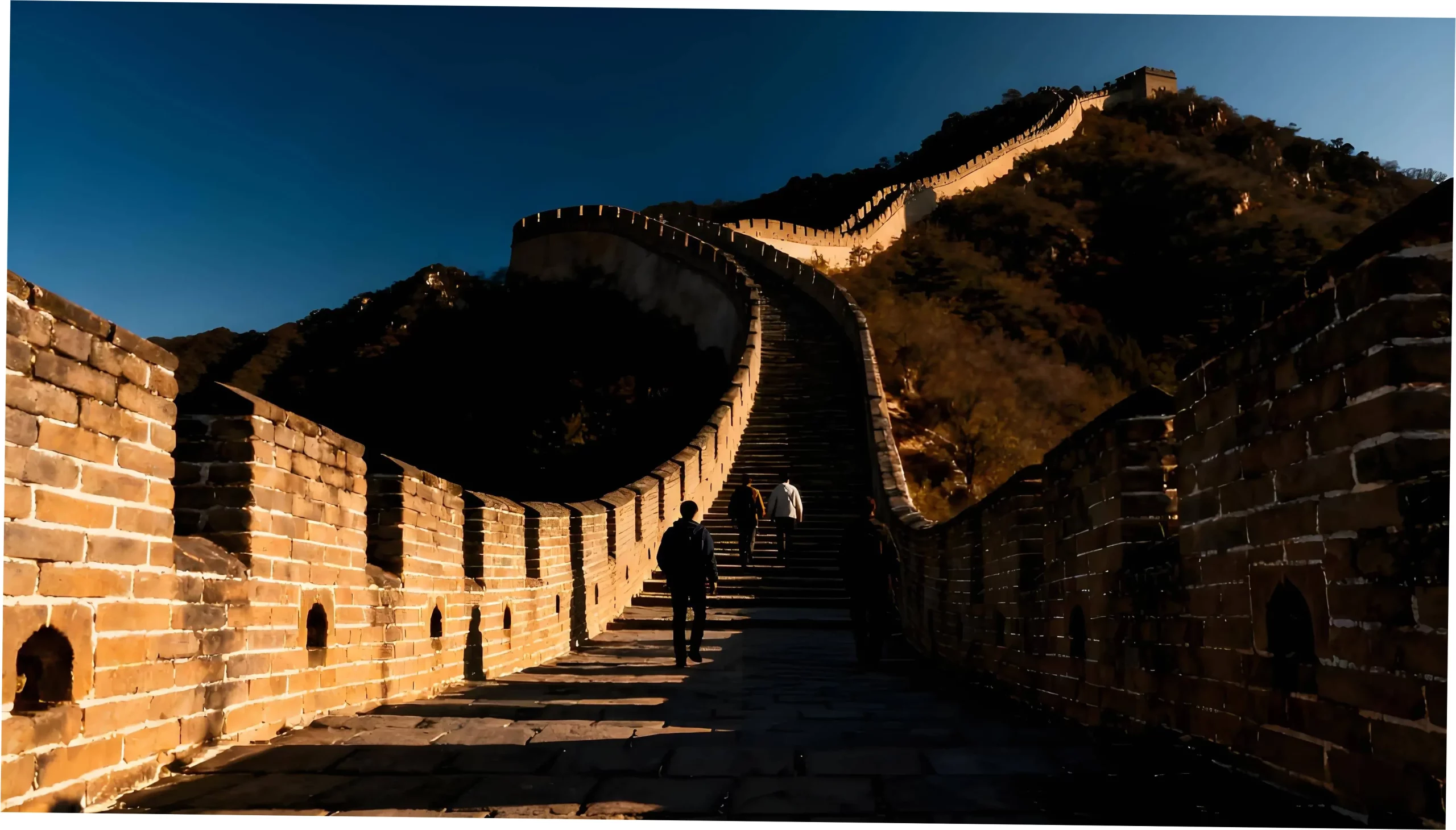
Firsthand Endorsement: Having visited in early October, I can attest it’s the pinnacle. The air is crisp, visibility is exceptional for miles along the serpentine wall.
and the surrounding mountains are painted with vibrant hues of red and gold from maple and smoke trees. The humidity of summer has vanished, making even strenuous climbs like the steep section up to Beacon Tower 8 feel more manageable.
This period between the National Day holiday congestion (early October) and the onset of significant cold in November offers a perfect balance.
Late Spring: A Strong Contender
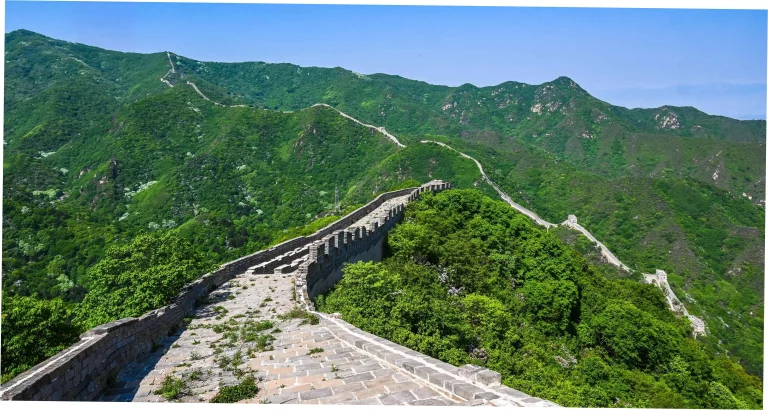
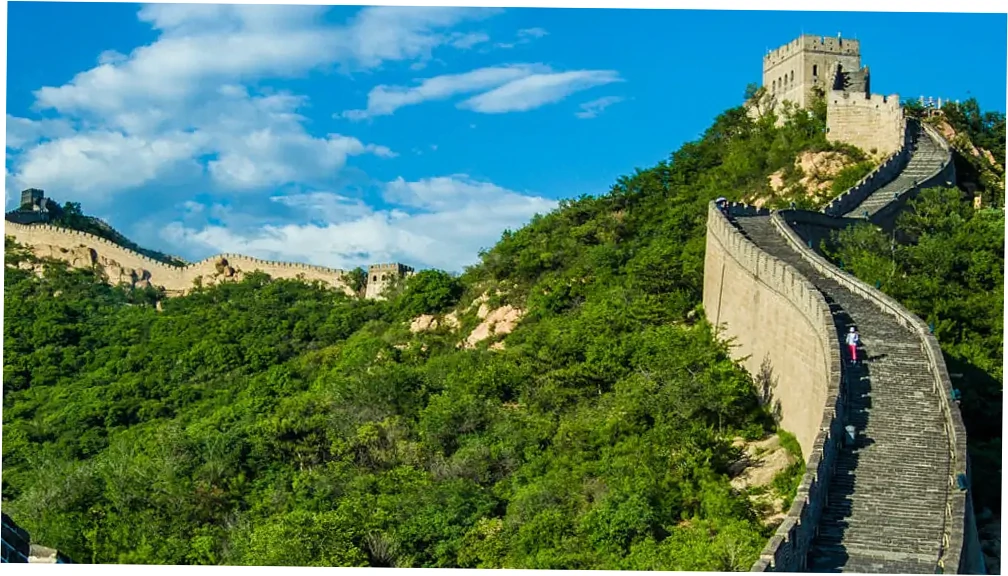
Comparative Advantage: May is a close second. The landscape is lush and green, wildflowers bloom along the lower slopes, and temperatures are very pleasant.
The key is to aim for the latter half of May, after the Labor Day holiday crowds (May 1st-5th) have dissipated and before the summer heat and rainy season begin in earnest.
The weather is more stable than in early spring, with fewer windy days disrupting cable car operations or making photography difficult.
Strategically Navigating Crowds and Weather Windows.
Daily Timing for Optimal Experience
Tactical Recommendation: Regardless of season, your daily start time is critical. Arriving at the opening hour (typically 6:30 or 7:00 AM, varying by season) allows you to enjoy 1-2 hours of relative solitude and the soft morning light perfect for photography. Most tour buses arrive between 9:30 AM and 2:00 PM. Another excellent window is late afternoon, about 2-3 hours before closing, when day-trippers depart and the setting sun casts dramatic shadows across the watchtowers.
Weather Forecast Reliance and Real-Time Adjustments
Plan ahead. Before you go, always check a good weather app. Look up the 3-day forecast for Yanqing District—that’s where Badaling is. Apps like China’s MeteoEarth or AccuWeather work well. Don’t just trust the Beijing city forecast.
The weather up in the mountains can be totally different. It might be sunny in the city but hazy at the wall. For the perfect day, look for a few things: visibility over 10 kilometers, wind under 20 km/h, and a 0% chance of rain. If you can, try to keep a backup day free, just in case.
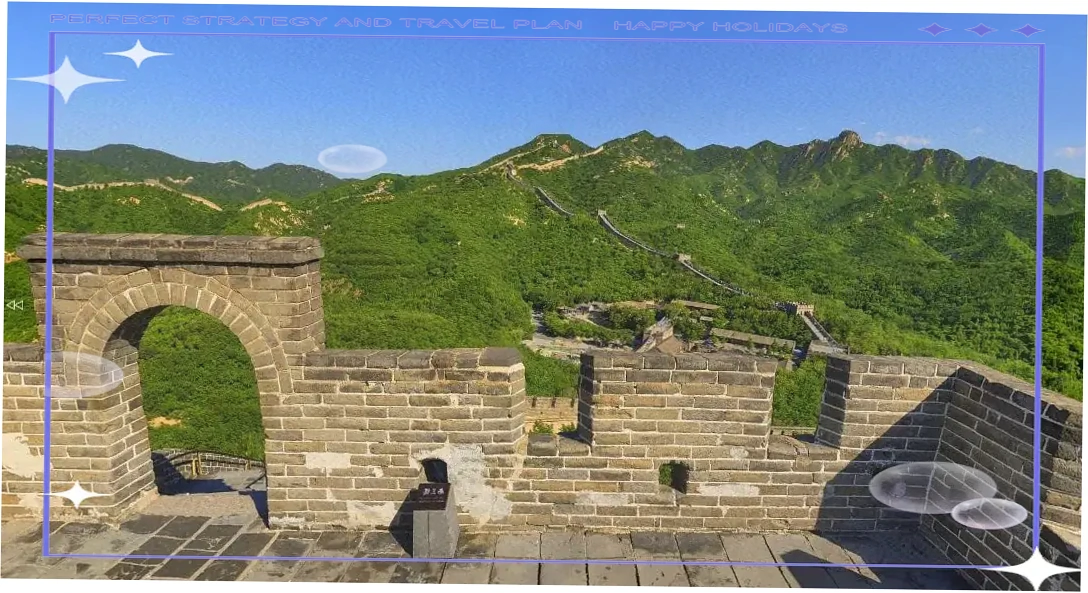
Season-Specific Preparation and What to Pack
Essential Gear for Each Climate Condition
Packing List by Season: Your packing list must adapt to the seasonal weather for Badaling Great Wall visits. For autumn and spring, layered clothing is non-negotiable—a moisture-wicking base layer, insulating mid-layer.
and windproof/water-resistant outer shell. Sturdy hiking shoes with good grip are essential year-round. In summer, add a wide-brimmed hat, high-SPF sunscreen, and significantly more water than you think you’ll need.
In winter, traction devices (like Yaktrax) for your shoes are a safety must on icy steps, along with thermal layers, gloves, and a warm hat.
| Season | Clothing | Footwear Gear | Health Safety |
|---|---|---|---|
| Spring/Autumn | Layers, windbreaker | Hiking boots | Sunscreen, lip balm |
| Summer | Light, breathable fabrics, hat | Breathable hiking shoes | 2L water, electrolytes, sun protection |
| Winter | Thermals, down jacket, gloves, beanie | Insulated boots with traction | Hand warmers, thermos with hot drink |
Weather-Related Challenges and How to Mitigate Them.
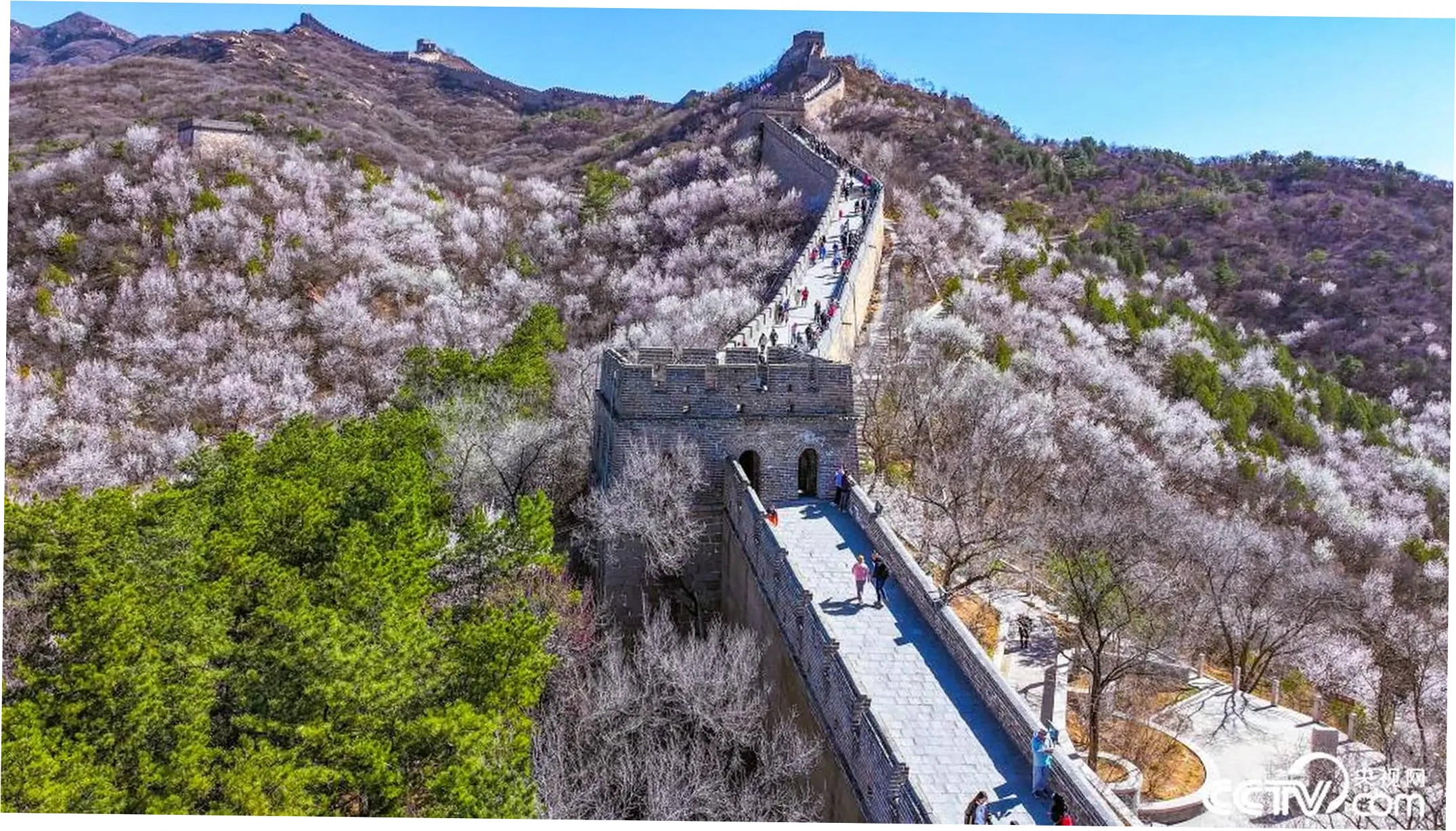
Dealing with Summer Heat and Sudden Storms
Risk Mitigation: The primary summer hazards are heatstroke and slippery paths during thunderstorms. Start your hike as early as possible. Seek shade inside the watchtowers during the peak heat (11 AM – 3 PM).
If you hear thunder or see dark clouds approaching, descend immediately—the high, exposed wall is the worst place to be in a lightning storm. The stone can become treacherously slick within minutes of rain starting.
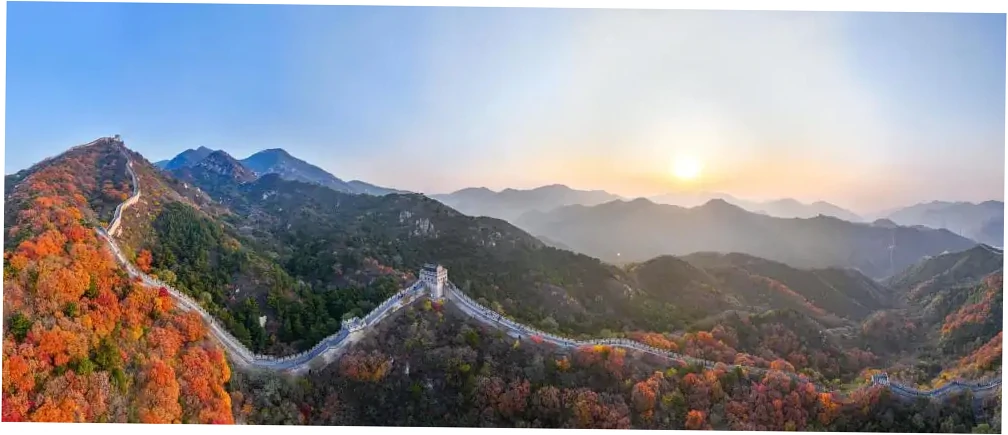
Managing Winter Cold and Potential Closures
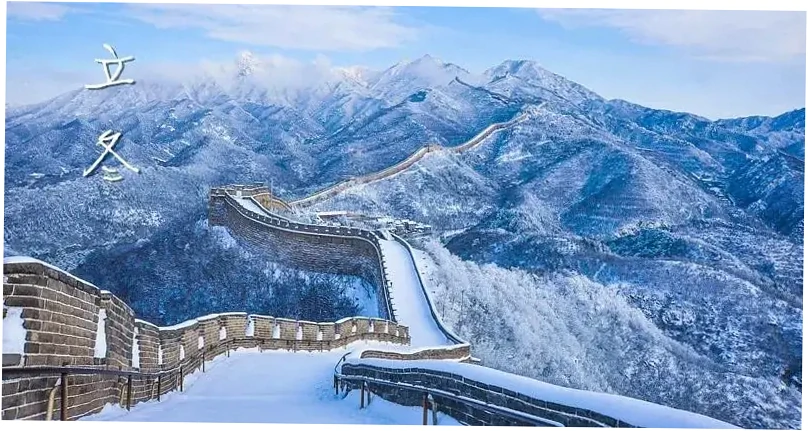
Safety Advisory: A snowy wall looks great in photos, but it’s riskier. Some parts, especially the steep climbs up to the high towers, might be closed off for safety. The cable cars and sleds might not run if it’s super windy or snowing hard.
Before you leave Beijing, check Badaling’s official site or social media for any last-minute closures. When you dress, remember it’ll feel 5 to 10 degrees colder up on the windy wall than down below.
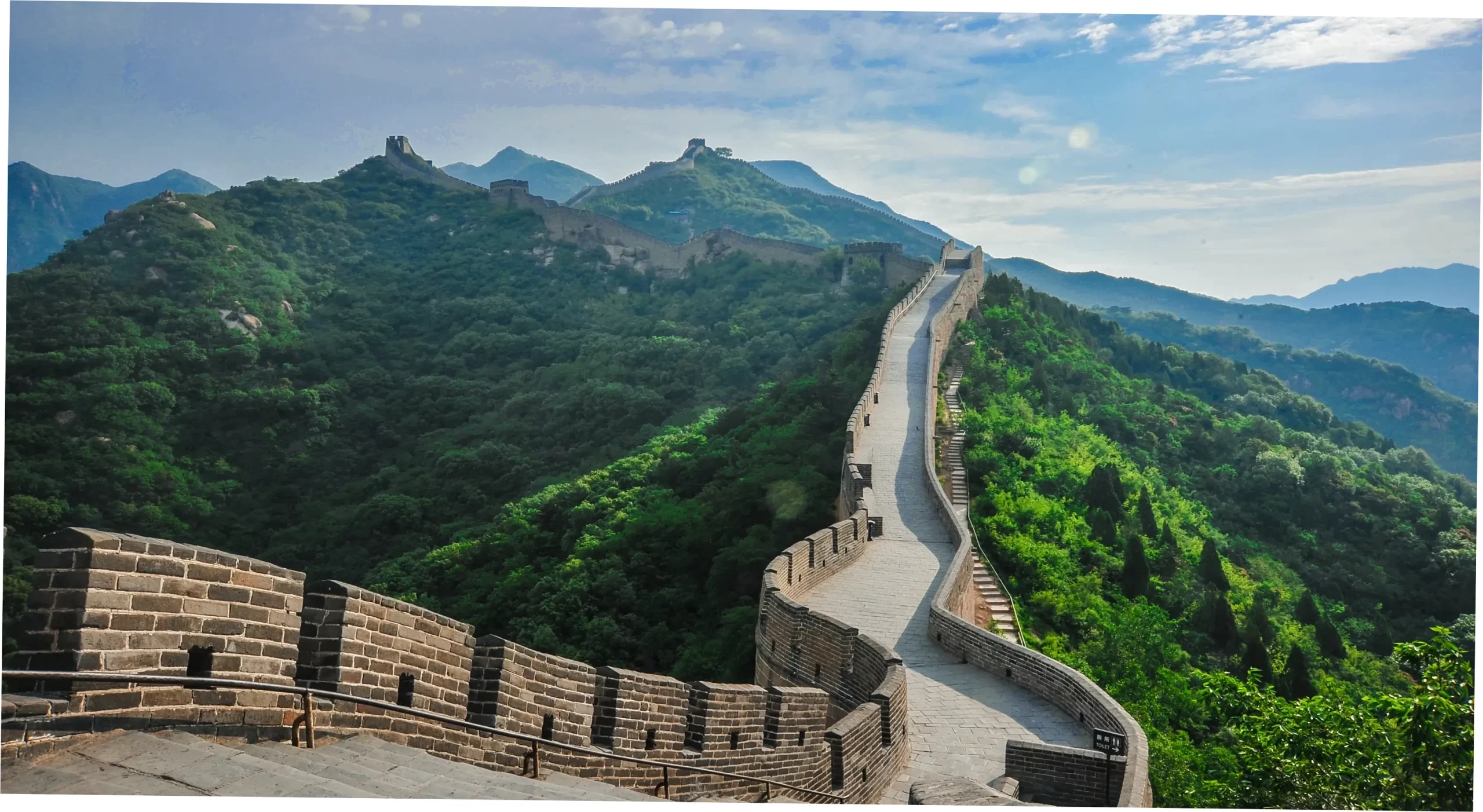
Beyond the Forecast: Capturing the Best Photos
Ideal Lighting Conditions for Photography
Photographer’s Insight: The quality of light defines your photos. The golden hours—the first hour after sunrise and the last hour before sunset—provide warm, soft, directional light that highlights the texture of the bricks and casts long shadows.
adding depth. Midday light is harsh and flat. An overcast day can actually be excellent for photography, as it acts as a giant diffuser, eliminating harsh shadows and revealing details in the stonework. For iconic shots of the wall snaking over hills, higher visibility in autumn is unbeatable.
Viewpoints and Vantage Points by Season
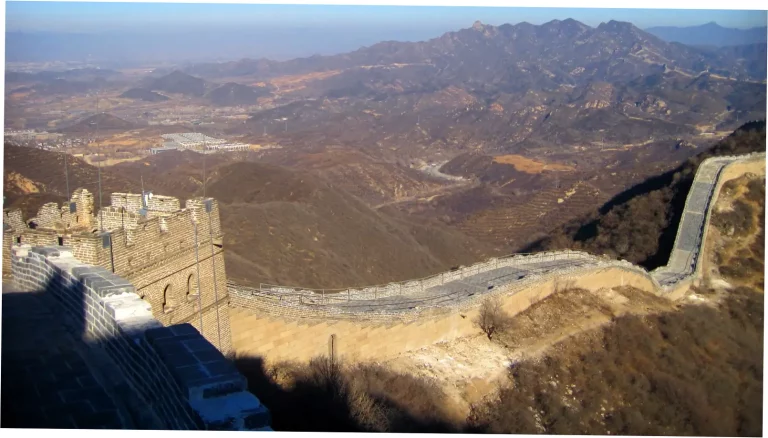
Location Scouting: The best section to visit really depends on the season. In autumn, head to the north side between towers 4 and 8. You’ll get fantastic south-facing views with the colorful fall leaves framing the wall perfectly.
After a fresh snowfall in winter, try the restored southern section. It’s less steep, so it’s safer to get around. You can capture the wall covered in a beautiful, pristine white blanket.
Come springtime, the lower areas near the entrance turn lovely and green. Just remember, safety first, always. Don’t risk a great shot by climbing on parapets or going into restricted areas.
Conclusion and Final Recommendations
So, when’s the absolute best time to visit the Badaling Great Wall? You want great weather, fewer crowds, and awesome views, right?
Aim for mid-September through late October. If that doesn’t work, mid-to-late May is a really good backup plan. To make your trip a success, you gotta nail the timing each day.
Check the real-time weather for Yanqing district and pack according to the season. Sure, summer and winter visits give you a different look at the Badaling Great Wall. But they also bring some tough weather and crowds.
You’ll need to plan more carefully and be ready for it. If you plan your trip around these best times and weather conditions, you won’t just be visiting. You’ll have an amazing, unforgettable experience at one of the world’s most famous spots.
Ready to Plan Your Perfect Trip?
Alright, you’ve got the best time and weather for Badaling Great Wall figured out. Now let’s get into the nitty-gritty of planning your trip!
Tell us your travel dates in the comments, and we’ll give you some tailored tips. Or, if you want the full scoop, check out our guide. It covers everything: booking tickets, how to get to Badaling from Beijing, and even some cool hidden spots along the way to make your Great Wall adventure complete.
FAQ: Badaling Great Wall Weather Timing
Is October really the best month for Badaling?
Yes, October, particularly mid-to-late October after the National Day holiday (Oct 1-7), is widely considered the prime time. The summer heat and rains have passed, leaving stable, sunny days with cool, comfortable temperatures and low humidity.
The autumn foliage in the surrounding mountains provides a spectacular backdrop, and visibility is typically at its annual peak.
Can I visit Badaling Great Wall in the summer?
You can, but it requires careful strategy. June to August is hot, humid, and crowded. If you must go in summer, choose a weekday in June (before the school summer break peaks), start at the crack of dawn.
carry ample water, and be prepared for sudden afternoon thunderstorms. The experience is more physically demanding due to the heat.
What should I do if it rains on my planned visit day?
First, check if it’s a light drizzle or a forecasted storm. A light rain can reduce crowds and create a moody atmosphere, but you’ll need a good rain jacket and non-slip shoes. For heavy rain or thunderstorms, it’s safer to postpone.
The stone steps become extremely slippery, and lightning risk is high on the exposed wall. Many ticket platforms allow rescheduling.
How cold does Badaling get in winter, and is it worth visiting?
It gets seriously cold, often below freezing. January averages around -5°C (that’s 23°F), and the wind whipping across the wall makes it feel even colder.
Visiting in winter can be totally worth it for the unique, peaceful experience and those breathtaking snowy views. But only if you come prepared. You’ll need serious winter clothes—think layers.
Also, get some ice grips for your shoes, and check ahead of time because icy conditions sometimes close off the steeper parts.