What’s the Bund in Shanghai? A Complete Visitor’s Guide
Let me be straight with you. The Bund in Shanghai isn’t just a walkway by the river. It’s the living, beating heart of the city’s modern story. Think of it as a stunning open-air museum of architecture. It’s also the absolute best spot to see Shanghai’s past and future smash together. Maybe you’re visiting for the first time and asking, What’s the Bund in Shanghai famous for? Or perhaps you’re coming back to find some hidden spots. Either way, I’ll take you through it all. We’ll cover the grand building fronts and even the quiet lanes behind them.
Table of Content
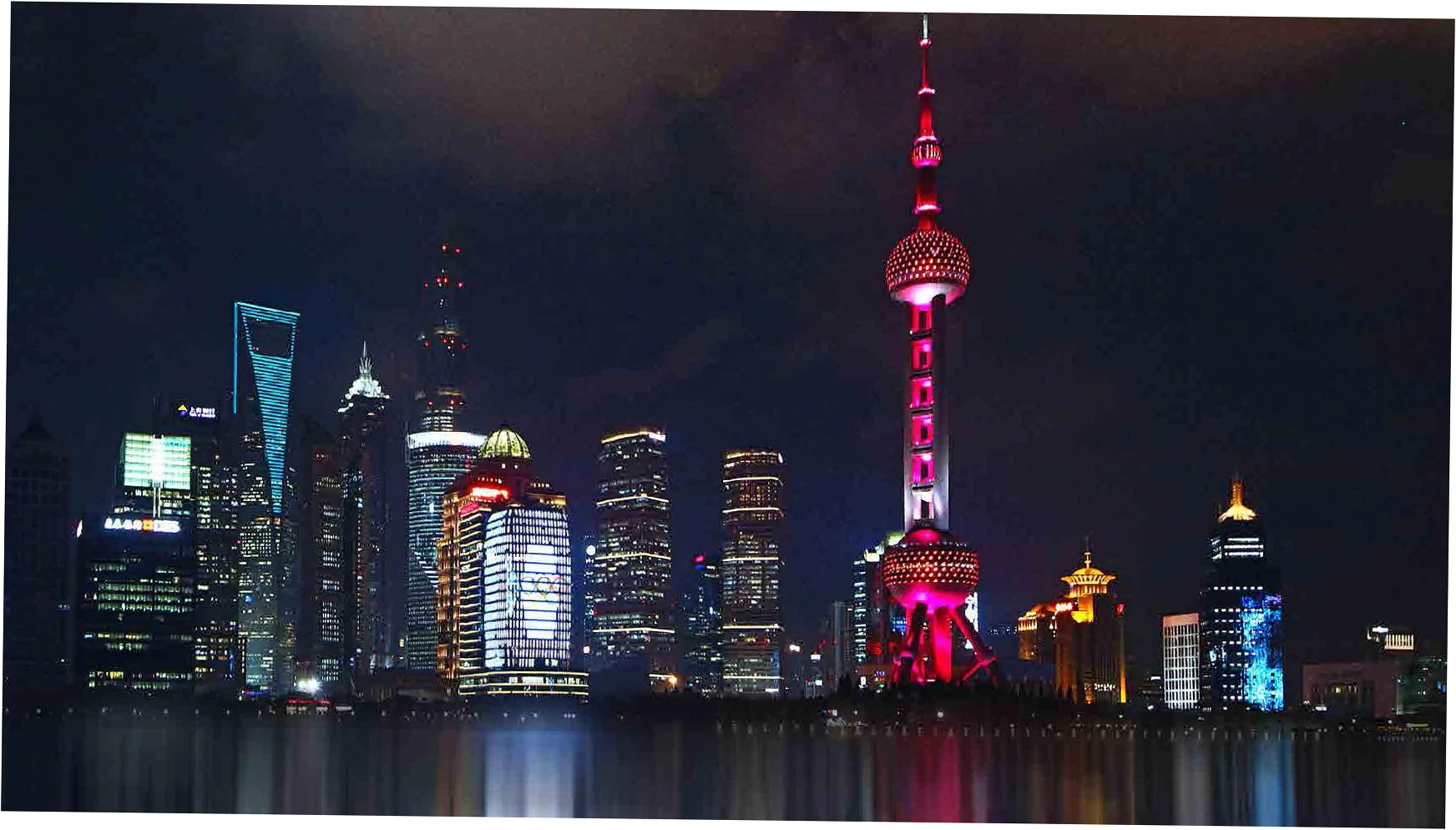
The Bund’s Identity: More Than a Postcard View
Defining the Iconic Waterfront
Core Concept: The Bund, known locally as Waitan, is a 1.5-kilometer stretch along the Huangpu River’s western bank in central Shanghai. It’s globally recognized for its museum of international architecture.
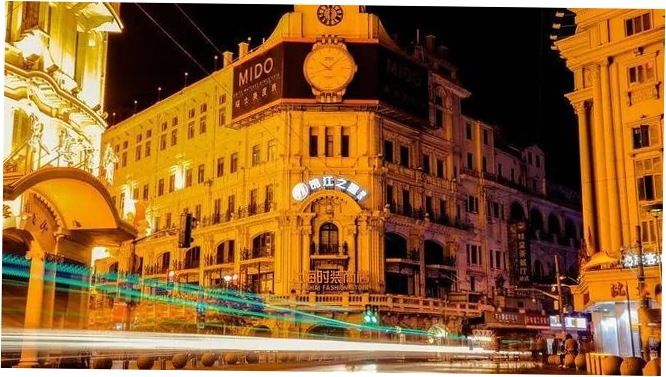
a lineup of 52 historical buildings showcasing Gothic, Baroque, Romanesque, and Art Deco styles from the late 19th and early 20th centuries. This isn’t a static relic; it’s a dynamic public space where finance, tourism, and daily life intersect.
I remember my first visit, overwhelmed not just by the sight, but by the palpable sense of history in the stonework.
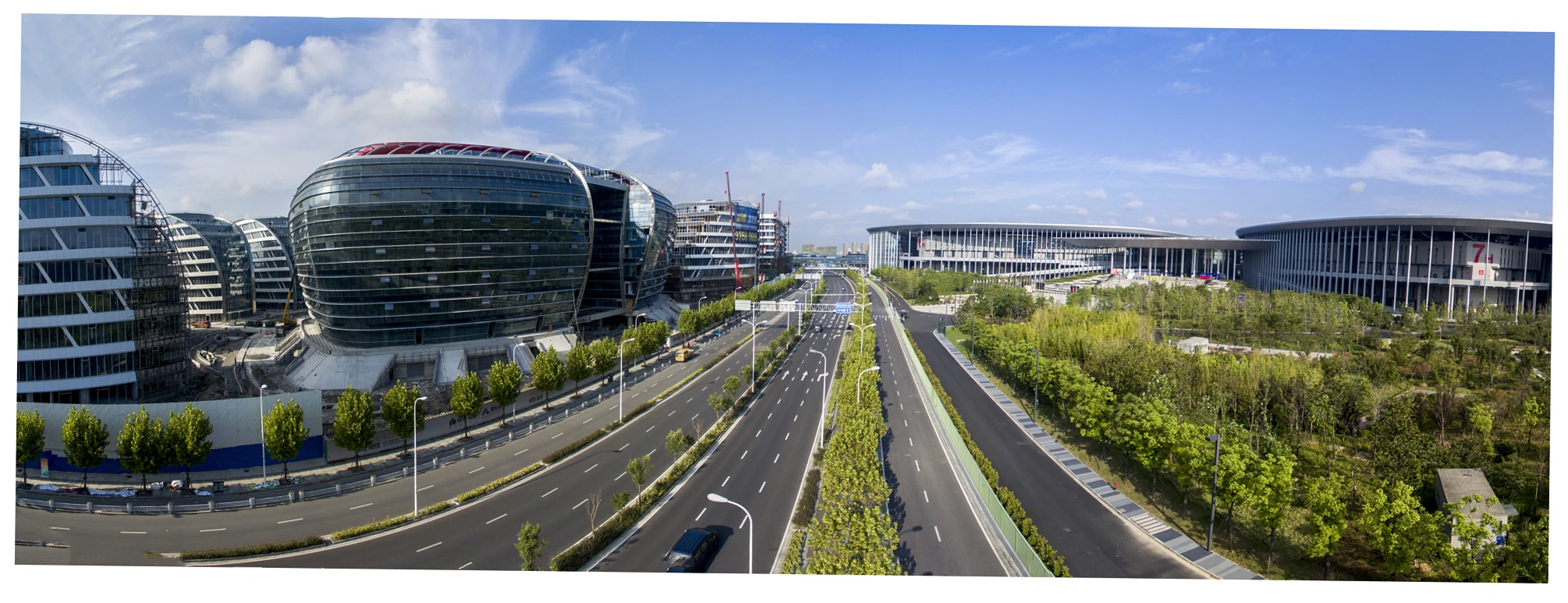
Key Historical Mechanisms and Evolution
how did it form? Well, the Bund’s development got its start from foreign concessions. These were set up after the First Opium War. First came British and French settlements. Then American and International concessions followed.
Together, they transformed this muddy shoreline. It became the financial and administrative heart of foreign power in East Asia. Every banking house and trading company wanted to outdo the others. They kept building grander and grander buildings.
That competition is what created the eclectic, mixed skyline we see in Shanghai today. Its role has really changed over time. It went from being a center of colonial power to a national symbol of China’s economic comeback. I find that whole transformation utterly fascinating.
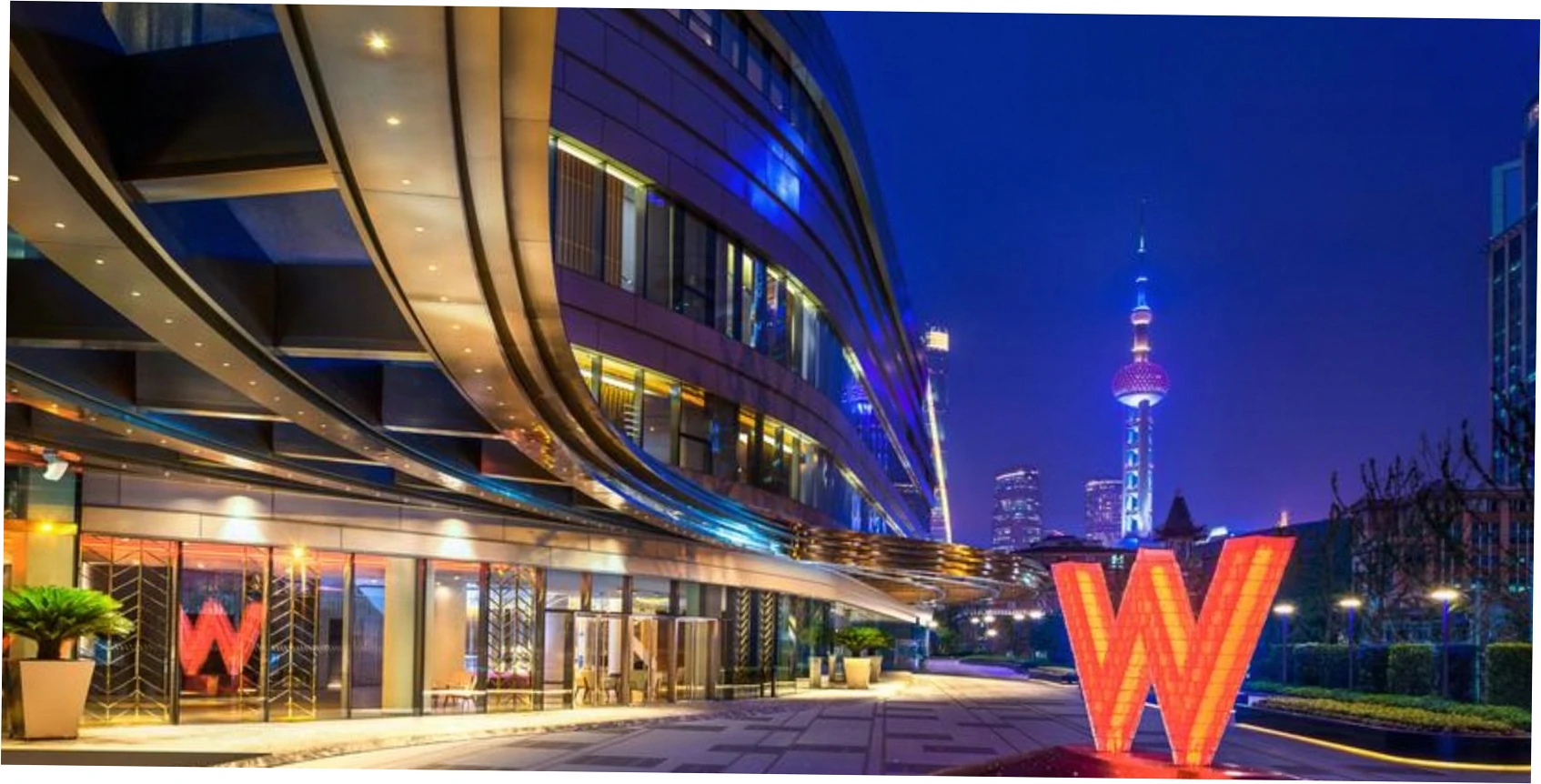
Architectural Deep Dive Comparative Analysis
A Building-by-Building Exploration
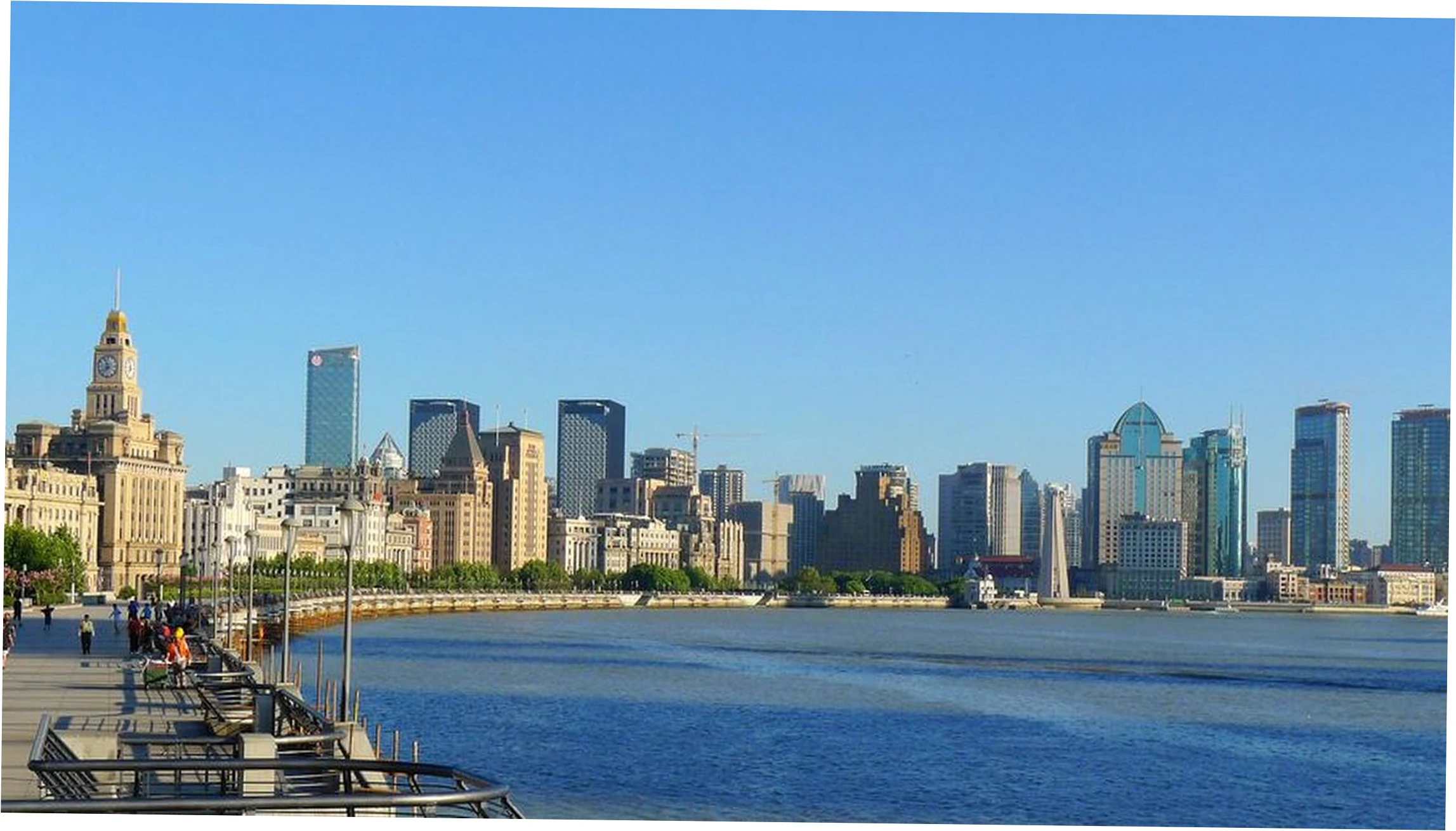
Signature Structures: To truly appreciate the Bund, you must look beyond the panorama. Key landmarks include the Peace Hotel (formerly Cathay Hotel) with its iconic green pyramid roof and legendary Jazz Bar.
the Customs House with its famous clock tower (Big Ching), and the former Hongkong and Shanghai Banking Corporation (HSBC) building, famed for its magnificent dome mosaics.
I always recommend visitors look up—the intricate details on cornices, windows, and statues tell stories no guidebook can fully capture.
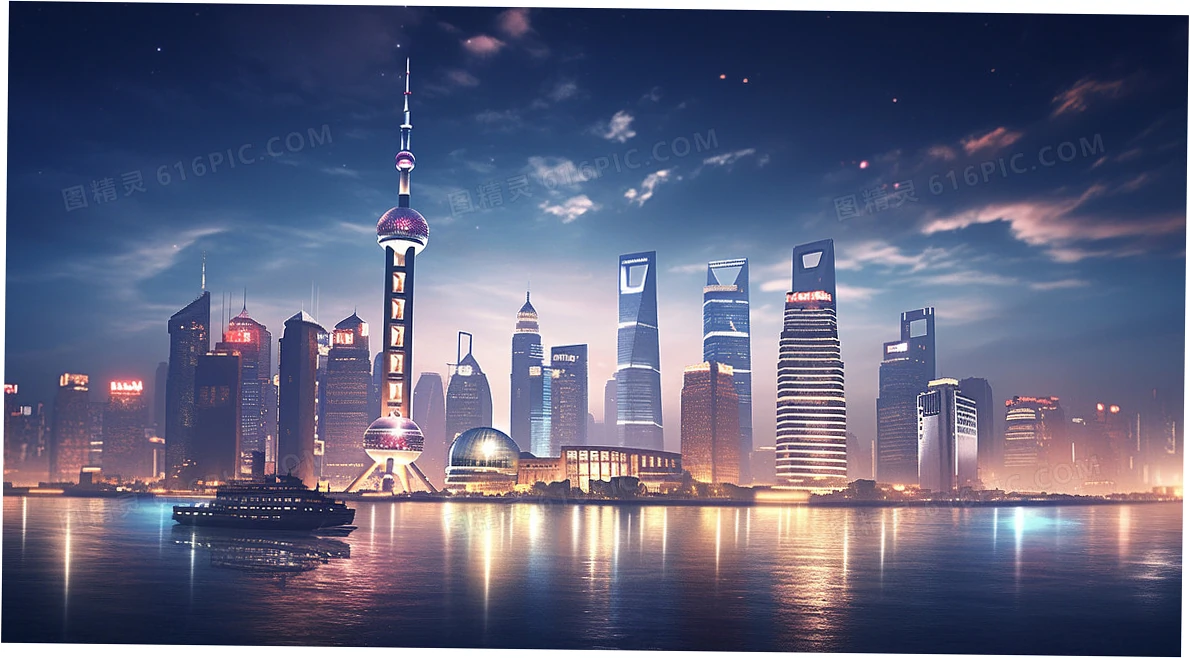
Bund vs. Lujiazui: A Tale of Two Skylines
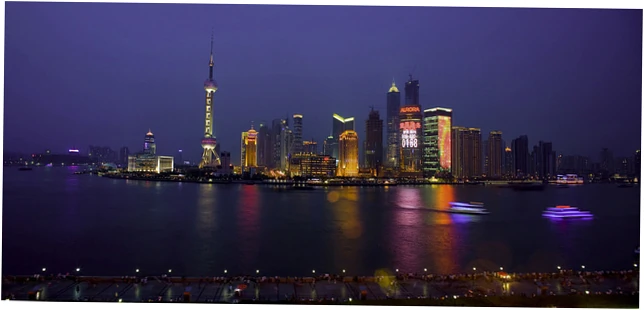
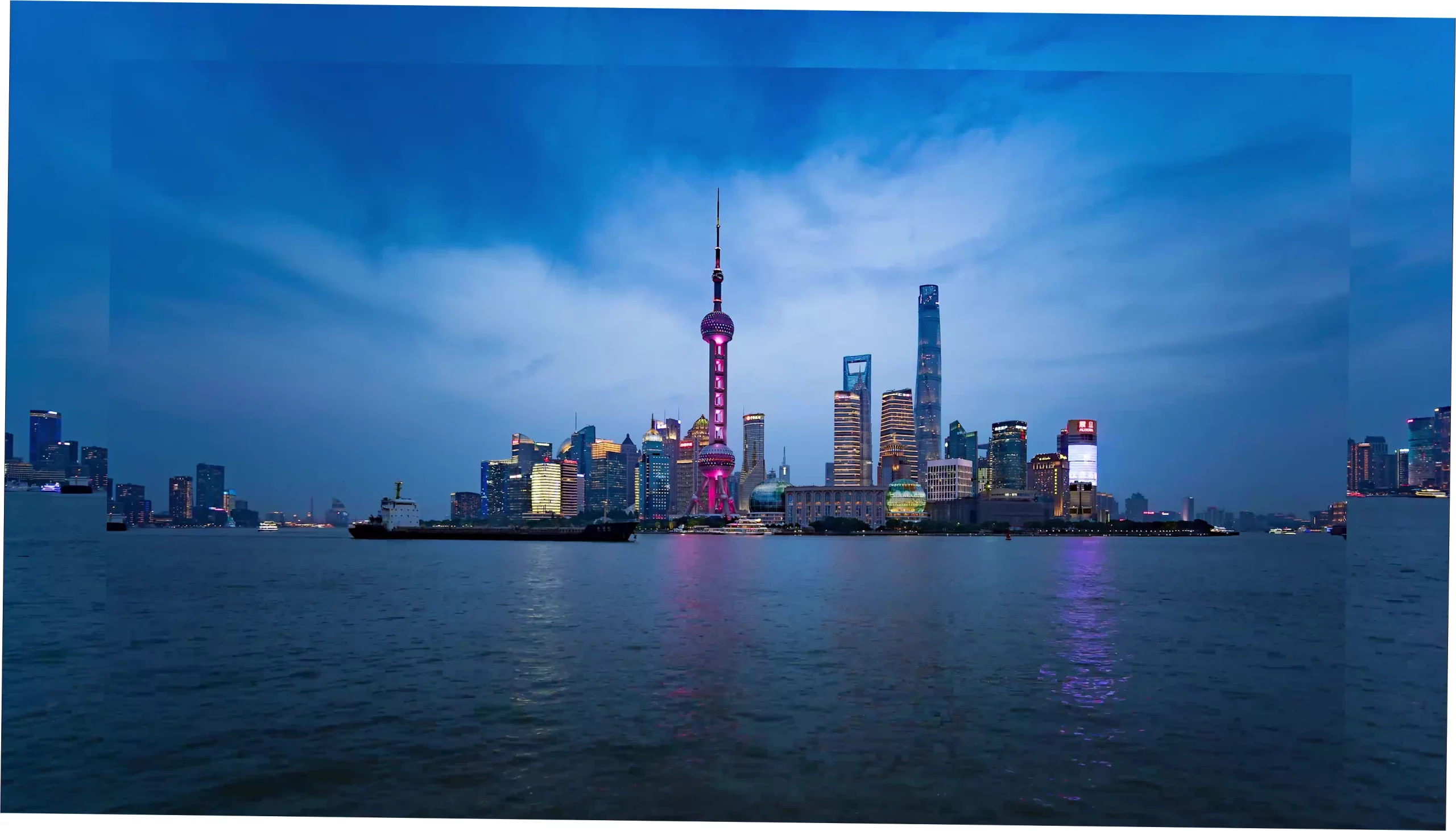
Comparative Perspective: The most compelling visual dialogue in Shanghai is between the historical Bund and the futuristic Pudong skyline across the river. This contrast is the city’s essence.
While the Bund represents Old Shanghai and colonial-era grandeur with its stone and masonry, Lujiazui symbolizes 21st-century ambition with glass and steel towers like the Shanghai Tower. Visitors often ask, Is the Bund or Pudong better for photos?
or Shanghai Bund vs. Lujiazui: which side has more to do? The answer isn’t either/or; the experience is defined by their juxtaposition. The Bund offers history and human-scale exploration, while Pudong delivers awe-inspiring verticality.
| Building Name (Common/Historical) | Primary Architectural Style | Key Feature | Current Primary Use |
|---|---|---|---|
| Peace Hotel (Cathay Hotel) | Art Deco / Chicago School | Green Copper Pyramid Roof | Hotel Jazz Bar |
| Customs House | Neoclassical | Clock Tower (Big Ching) | Government Office |
| Former HSBC Building | Neoclassical | Dome with Mosaics | Shanghai Pudong Development Bank |
| Bank of China Building | Chinese Art Deco Fusion | Sloping Roof with Chinese Motifs | Bank |
| Shanghai Club (Waldorf Astoria) | Renaissance Revival | Formerly Longest Bar in the World | Luxury Hotel |
Planning Your Visit: Scenarios Practical Logistics.
Best Times, Routes, and Viewpoints
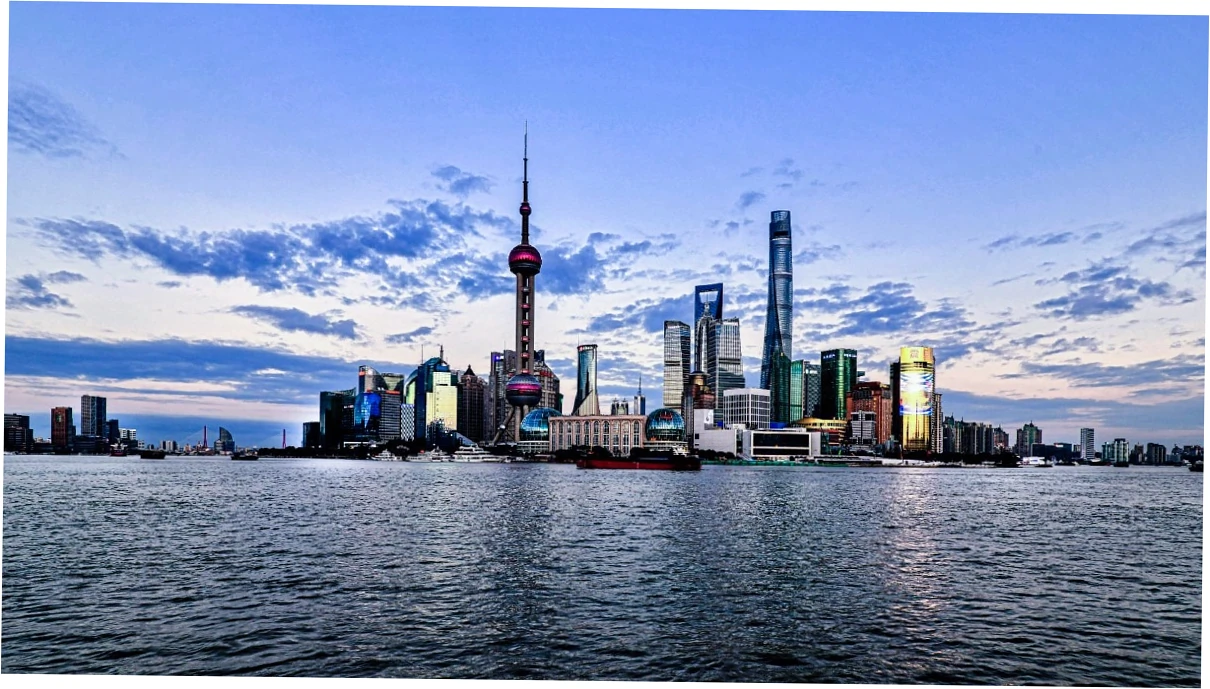
Here’s the best strategy: timing really matters. Photographers often ask, When’s the best time for Bund Shanghai photos? The golden hours at sunrise or sunset are perfect. You get soft light and way fewer people.
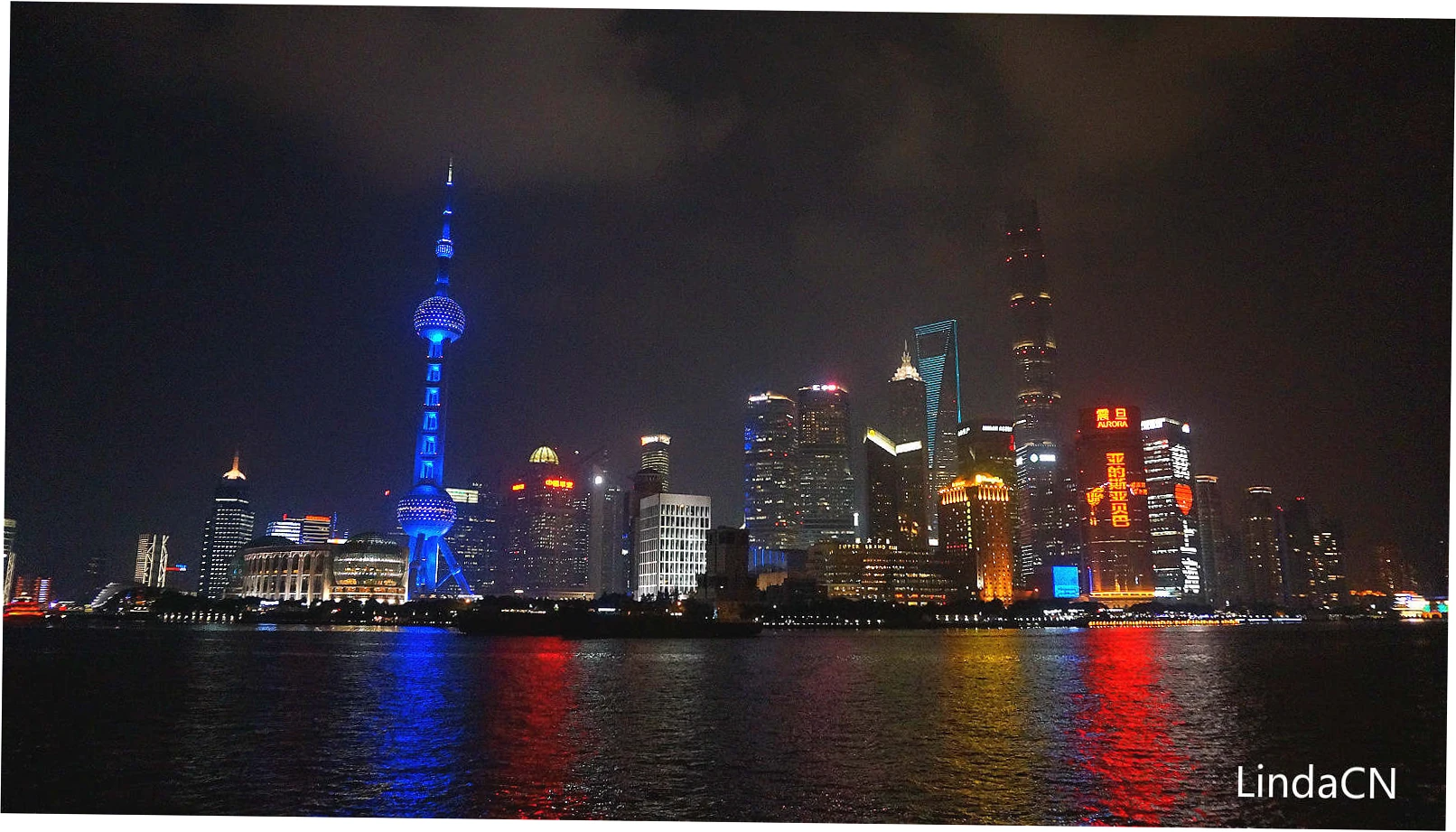
But don’t forget the iconic night view, all lit up with neon. My personal favorite is starting in the late afternoon. Walk the Bund from south to north, and you’ll be there just as the Pudong skyline lights up.
Don’t stick only to the main walkway. Pop into the backstreets, like Yuanmingyuan Road, where you’ll find quieter cafes. Everyone wonders: how much time do you need for the Bund? Plan for at least 2-3 hours.
And where to start a Bund walking tour from Nanjing Road? Just head to the end of Nanjing East Road.
Transport, Tickets, and Tour Options
Access Navigation: The Bund itself is a free public promenade. Access is easiest via metro: East Nanjing Road Station (Lines 2 10) for the southern end, or Nanjing East Road Station (Line 10) for the central section.
A popular query is Bund tunnel ride worth it?—the sightseeing tunnel under the river is a kitschy light show, not a practical transport option. For a unique perspective, consider the Pujiang River Cruise from the nearby Shiliupu Wharf.
First-timers often search Bund Shanghai free walking tour, and yes, reputable companies offer them, but booking a licensed guide ensures deeper historical insight.
| Visitor Profile | Recommended Time | Primary Focus | Key Activity | To Avoid |
|---|---|---|---|---|
| First-Time Tourist | Evening (After 5 PM) | Iconic Day Night Views | Promenade Walk, Pudong Skyline Photos | Mid-Day Summer Crowds |
| History Architecture Buff | Weekday Morning | Building Details Interior Lobbies | Self-Guided Architectural Trail, Peace Hotel Lobby Visit | Rushing; Some lobbies are working banks |
| Photography Enthusiast | Sunrise or Blue Hour | Optimal Light, Fewer People | Tripod Setup at Northern End (near Suzhou Creek) | Rainy/Foggy Days (obscures Pudong) |
| Family with Children | Late Afternoon | Manageable Pace, Fun Elements | Walk, Ferry Ride Across River, Snack Breaks | Long Walks Without Breaks; Peak Weekend Times |
Beyond the Obvious: Hidden Gems Local Experiences.
Secret Spots and Alternative Perspectives
Want a real find? The best spots are actually just off the main promenade. Head north of Suzhou Creek to the Rockbund area. It’s been totally revived, with cool contemporary art galleries.
The Rockbund Art Museum, for example, is set inside beautifully restored old buildings. You can get an amazing high-up view of the Bund without paying for a skyscraper ticket. Just check out the rooftop bars.
Try the one at the Captain Hostel, or look for bars down at the Nanjing Road end. If you want to escape the crowds like a local, look for quiet spots near the Bund.
There are also some hidden alleyways around there that are great for photography. My own top pick is the little garden right by the signal tower in Huangpu Park.
Cultural Integration and Thematic Tours
To really understand the place, not just see it, you gotta link the buildings to their stories. Places like the old British Consulate grounds, the Monument to the People’s Heroes, and Huangpu Park add so much depth.
Huangpu Park was actually China’s first public park, and it once had that awful No Dogs or Chinese Allowed sign. If you’re into themes, you could look for a Bund history tour that focuses on the colonial era.
Or maybe a Shanghai Bund tour about Jewish heritage. Hearing these stories turns the buildings from just pretty fronts into real chapters of Shanghai’s complex past.
Common Pitfalls, Risks, and How to Mitigate Them
Crowds, Scams, and Physical Challenges
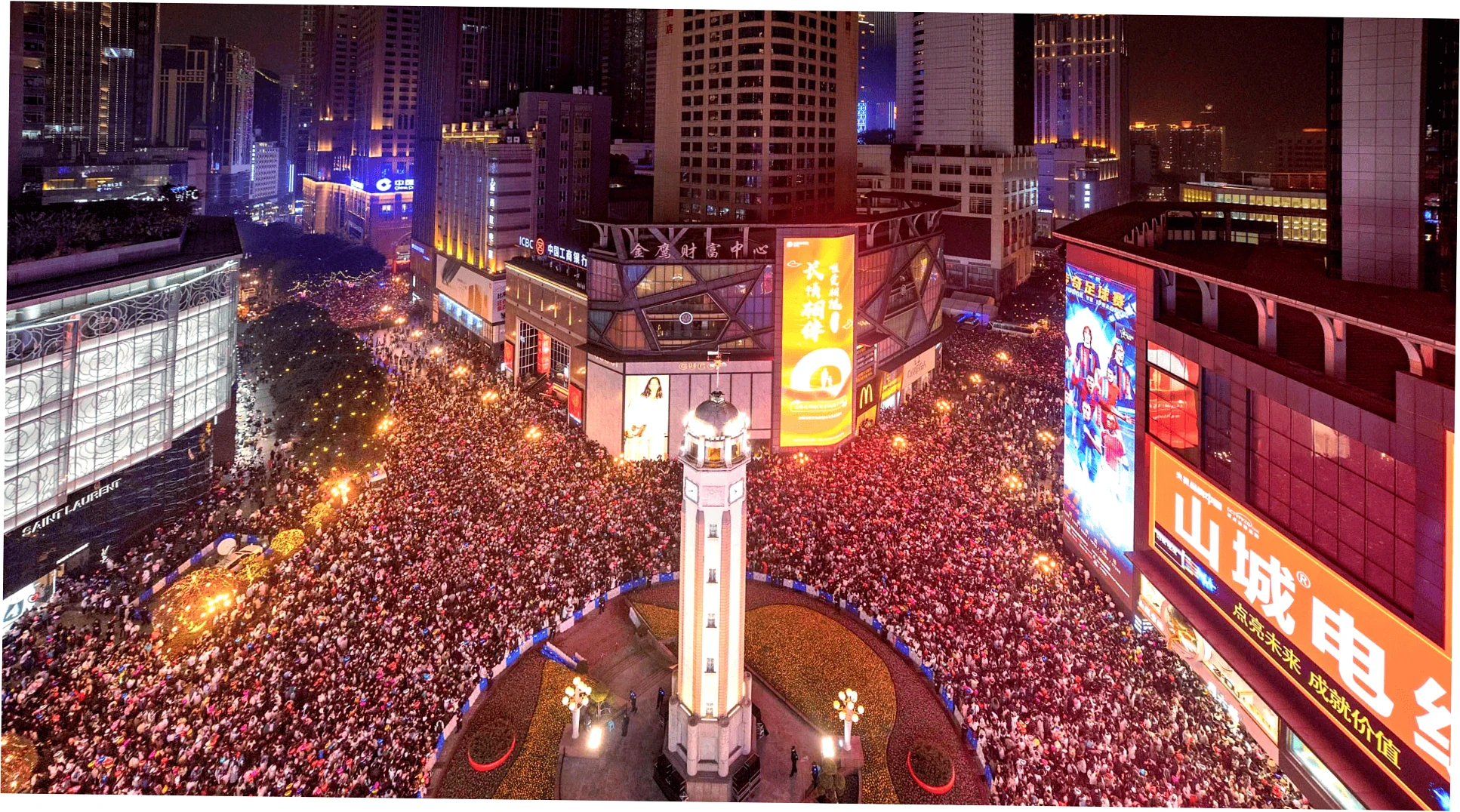
Visitor Safety Scam Awareness: The primary risk here is a compromised experience due to overcrowding, especially on holidays and weekend nights. Be prepared for dense crowds on the promenade.
While generally safe, be aware of classic tourist scams: overly friendly art students inviting you to a tea ceremony (leading to exorbitant bills), or vendors selling counterfeit goods. Questions like Is the Bund safe at night?
or common scams at the Bund Shanghai are prudent. It is safe, but stay in well-lit, populated areas and be politely firm with unsolicited offers.
Weather, Accessibility, and Cost Traps
Now, about the practical stuff. The weather in Shanghai really matters for your Bund trip. Summers get hot, sticky, and smoggy, which can totally block your view of the Bund Shanghai skyline.
In winter, it gets freezing cold and super windy right by the water. If you want a clear view, check the air quality index before heading to the Bund. Getting around the main level is pretty easy, but some street crossings have steps.
So if you’re wondering, Is the Bund Shanghai wheelchair accessible?—that’s a fair question. The main walkway is flat, but you might need to find another way at some points.
Skip the pricey tourist traps right on the waterfront. Just walk a couple of blocks away from the Bund for much better deals on food.
| Type of Risk or Challenge | How Likely | How Bad It Is | What You Can Do |
|---|---|---|---|
| Huge Crowds (on Holidays/Weekends) | Very High | Very High (It’s frustrating and you’ll move slowly) | Go really early in the morning or later at night. try checking out the northern part near Suzhou Creek. |
| Bad Views / Smog | Medium (Depends on the season) | Very High (It ruins your photos and the view) | Check the air quality first. Have a Plan B ready, like visiting the lobbies of some museums on the Bund. |
| Scams Targeting Tourists (Tea, Art, Photos) | Medium | Medium (You lose money and get annoyed) | Just say no thanks nicely to anyone offering unasked-for help or invites. Stick to official services. |
| Things Cost Too Much (Food, Tours) | Very High | Low to Medium (Your wallet takes a hit) | For food and drinks, go a few streets away from the Bund. Book any tours through well-known, trusted websites or companies. |
| Getting Tired (It’s a long walk) | Very High | Medium | Wear comfy shoes! You can hop on the sightseeing trams along the promenade. Or take a break by riding the ferry across the river. |
Let’s dive deeper into the Bund: think photography, history, and cool events.
Professional-Grade Photography Guide
Technical Capture Methods: For serious photographers, the Bund is a technical playground. The classic shot uses a wide-angle lens from the promenade to capture the building curve with Pudong behind.
For sharper cityscapes, a tripod is essential for long exposures at night (be mindful of security, as tripod rules can change). A telephoto lens isolates architectural details.
Enthusiasts search for Bund photography settings night or best lens for Bund skyline. My tip: For a unique reflection shot, go after rain when the promenade stones are wet.
Historical Research and Event Calendar
If you love history or are just super curious, the Bund has a huge story. Here’s where to look. Check out the Shanghai Urban Planning Exhibition Center—they’ve got an awesome scale model. dig into archives about the old concessions.
The Bund isn’t just for looking; it hosts events too. Think the Shanghai Marathon start and finish line, cool light shows sometimes, and those famous National Day light displays.
People searching for Bund historical maps archive or New Year’s Eve on the Bund Shanghai are really getting into it. Important note: Big events can mean parts or all of it close down. Always check the official info first.
ready to go beyond just a quick snapshot? You can make your Bund visit as simple or as deep as you want. Use this guide to start, then just go explore. Wander the side streets, check out the gargoyles up high.
Maybe even stay a night at the Peace Hotel to catch their legendary jazz band—they’ve been playing for almost a hundred years! The real magic? That happens when you ditch the crowds and just have your own moment with this amazing waterfront.
Frequently Asked Questions
Is it better to see the Bund during the day or at night?
You really need to see both to get the full experience. The daytime reveals the magnificent architectural details of the historical buildings—the stonework, statues, and varied styles.
At night, the buildings are dramatically lit, and the modern Pudong skyline across the river becomes a dazzling light show. My recommendation is to arrive in the late afternoon, explore the architecture, and then stay to watch the lights come on. It’s a transformative moment.
What’s the difference between the Bund and Nanjing Road, and can I do them together?
Nanjing Road is one of the world’s busiest shopping streets, running perpendicular to the Bund. The Bund is the historical waterfront promenade. They are perfect companions.
The classic tourist route is to walk east along Nanjing Road (starting from People’s Square), which literally ends at the Bund. You shop, then you take in the epic view. It’s extremely walkable and the most logical way to experience these two iconic landmarks in one efficient trip.
How crowded does the Bund get, and are there any times to avoid?
It can get overwhelmingly crowded, especially on national holidays (like Golden Week in October), summer weekends, and in the early evening when tour groups converge for the night view.
The most packed area is the central section near the intersection with Nanjing Road. To avoid the worst, visit on a weekday morning or consider the northern end near the Waibaidu Bridge and Suzhou Creek, which is often quieter and offers equally stunning views.
Is the Bund Shanghai worth it for a second or third-time visitor to the city?
Absolutely, but your approach should change. Skip the main promenade crowd and dive deeper. Explore the Rockbund art district, book a table at one of the historic building’s rooftop bars (like at the Waldorf Astoria).
take a Huangpu River cruise from a different pier, or focus on photographing specific architectural details. Second-time visitors often search for Bund hidden gems or peaceful spots on the Bund, and they exist once you move beyond the prime postcard spots.
What are the main scams to watch out for at the Bund?
You’ll often run into a couple of common scams around the Bund in Shanghai. One’s the art student scam, where really friendly folks might ask you to check out a tea house or art show, but then you get stuck with a huge bill.
Then there’s the photo scam, where someone in traditional dress offers a picture with you, only to demand a lot of money afterwards. The best move is to just be firm but polite.
Say no, thank you, don’t get into a chat, and simply walk off. Always buy your Bund Shanghai cruise or tour tickets from the official counters.
Can you go inside the historical buildings on the Bund?
Yes and no. Many are still active banks, government offices, or private clubs, so their main floors are not open for casual tourism. However, several have been converted into hotels (Peace Hotel, Waldorf Astoria).
high-end restaurants, or luxury stores, and you are welcome to enter their lobbies, which are often spectacular. The Peace Hotel lobby and its Jazz Bar are particularly accessible and worth visiting. Always be respectful, as these are working spaces.
What is the best way to get to the Bund with public transport?
The Shanghai Metro is the easiest and fastest way. Alight at East Nanjing Road Station (Lines 2 10) for the southern end of the Bund, or at Nanjing East Road Station (Line 10) for a more central access point. Both involve a short 5-10 minute walk. Buses also serve the area, but the metro avoids traffic. Do not rely on taxis during peak hours, as the area is often gridlocked.
Are there any good but affordable food options near the Bund?
Those restaurants right on the riverfront with the killer views are famous for being pricey. To get more for your money, just walk a couple blocks west, away from the promenade.
Head to spots like Sichuan Road, Fuzhou Road, or the little streets off Nanjing Road. You’ll find all kinds of local joints, xiaolongbao places, and casual restaurants with way better prices. That’s actually where the locals go when they’re hunting for cheap eats near the Bund in Shanghai.