Why is Nanjing Road so famous?
what’s Nanjing Road known for? Let me break it down for you. Basically, it’s Shanghai’s main shopping and culture hub. Think of it as a living museum that shows off the city’s history and today’s vibe. You can find top luxury brands from around the world, try real local street food, and get a feel for modern China’s energy, all in one place. It’s more than just a street—it’s a whole experience. It tells a story about business and culture that’s been going on for more than a hundred years now.
Table of Content
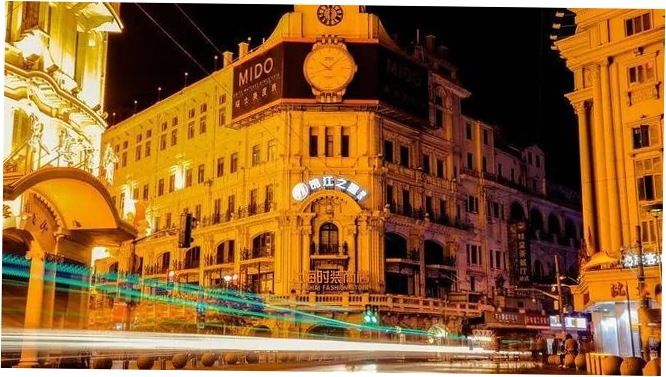
Nanjing Road’s Core Identity and Historical Legacy
The Shopping Mecca: From Silk to Skyscrapers
Core Evolution: Nanjing Road’s fame as a shopping destination began in the 19th century as the Number One Commercial Street in China. Initially famed for silk, tea, and traditional Chinese goods, it has continuously evolved.
Today, it’s a dazzling blend of historic department stores like the No. 1 Department Store and futuristic malls like the Plaza 66, housing everything from affordable local brands to flagship stores of Louis Vuitton and Cartier.
It’s this seamless layering of history and hyper-modernity that answers the user searching for Nanjing Road shopping history vs modern malls.
A Walk Through Time: Architectural and Cultural Layers
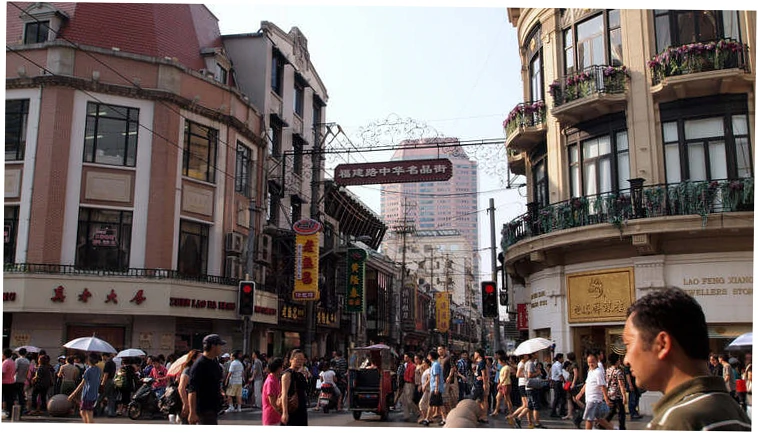
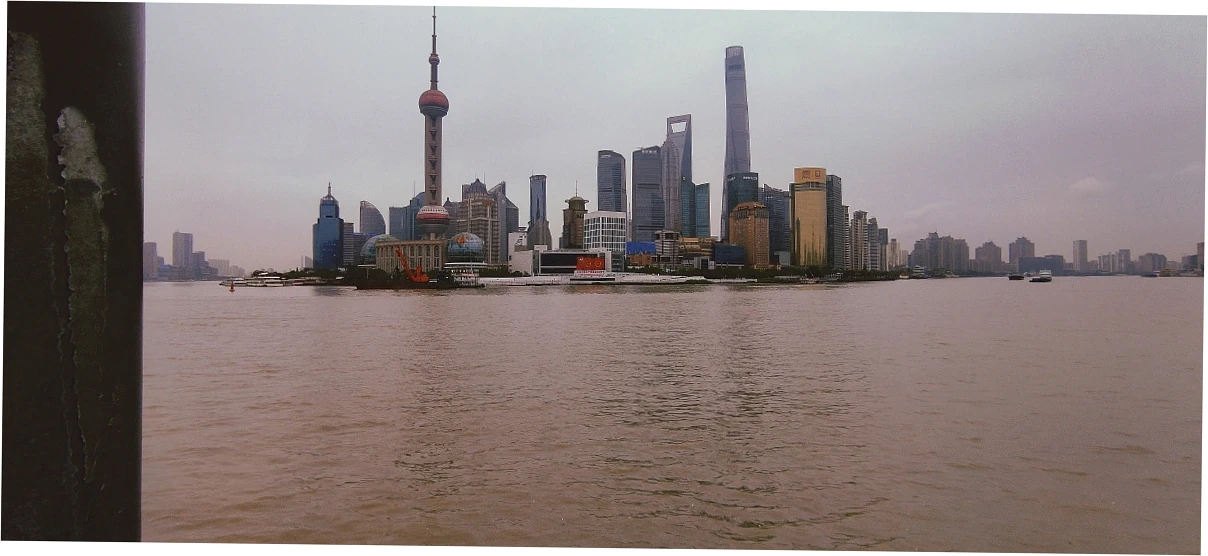
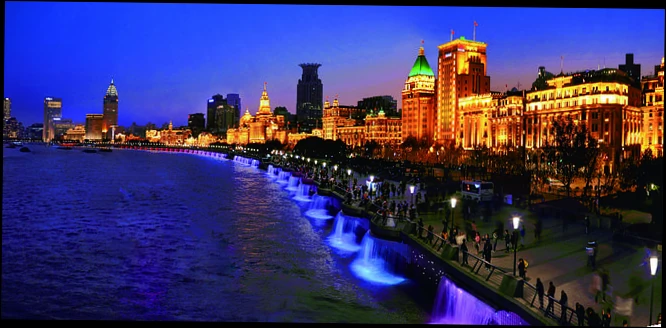
Living History Book: Beyond shopping, the road is a timeline of architectural styles. The pedestrianized eastern section (Nanjing Road East) retains its early 20th-century charm with Art Deco and Neoclassical buildings, like the Peace Hotel.
This area directly caters to the search intent of historic buildings to see on Nanjing Road walking tour. The western section (Nanjing Road West) morphs into a canyon of gleaming skyscrapers, symbolizing Shanghai’s economic might.
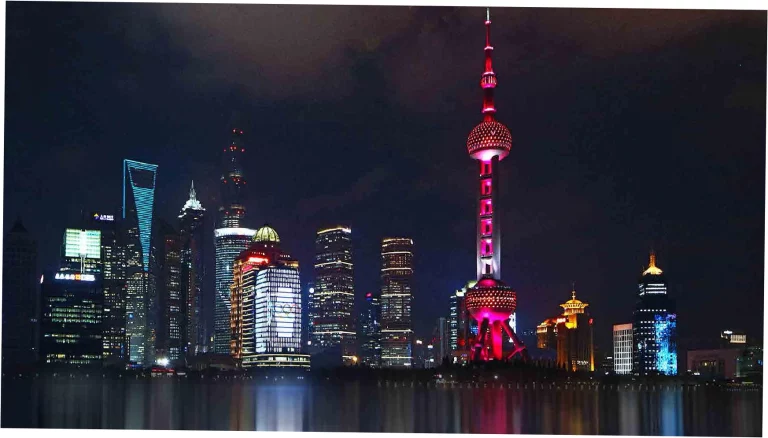
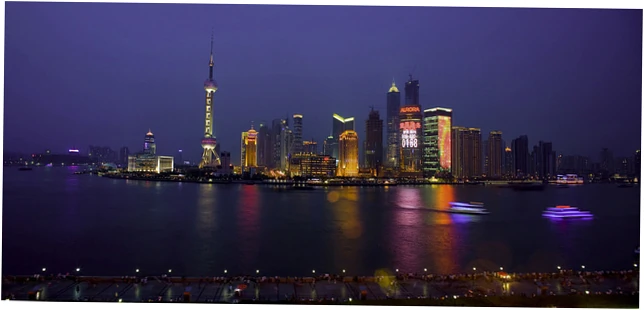
This duality makes it a primary destination for queries like best photo spots on Nanjing Road old and new contrast.
Comparative Analysis: Nanjing Road vs. Other Global Avenues.
How It Stacks Up Against Other Famous Streets
Global Context: Visitors often wonder, Is Nanjing Road like Fifth Avenue or Oxford Street? While all are premier shopping destinations, Nanjing Road offers a uniquely Chinese narrative.
Unlike the purely commercial vibe of Fifth Avenue, it integrates deep local culture—think traditional food stalls beside Prada. Compared to the Champs-Élysées, its scale and density of pedestrian traffic are unparalleled.
A 2023 Shanghai Tourism Authority report noted that Nanjing Road’s pedestrian flow on holidays can exceed 1.5 million per day, far exceeding typical volumes on similar global avenues.
Within Shanghai: The Alternative Experience Seekers
Local Alternatives: For folks trying to decide between Nanjing Road, Xintiandi, or Tianzifang, it’s important to know what the other places offer. Nanjing Road is huge, right in the center, and can feel a bit overwhelming.
Xintiandi is different. It’s more polished and upscale, with great restaurants and fancy boutiques set in restored old shikumen houses. Then there’s Tianzifang. It’s like a maze full of artsy, bohemian little shops and cafes.
Your choice really depends on what you’re after. If you want the big, famous, full-on experience, go for Nanjing Road. But if you prefer something more intimate, trendy, or artsy, then check out the other spots.
This helps answer that common question: Which Shanghai shopping area is better for families, and which one is better for couples?
| Here’s a look at the different areas and what they offer. | First up, Nanjing Road, which has both an East and West section. | Then there’s Xintiandi. | And finally, Tianzifang. |
|---|---|---|---|
| What’s the main feel of each place? | Nanjing Road is famous for being grand, historic, super energetic, and all about shopping. | Xintiandi feels more upscale and chic, very cosmopolitan, and it’s really focused on dining. | Tianzifang is artsy and bohemian, pretty quirky, and you’ll find lots of handicrafts there. |
| who’s each spot best for? | Nanjing Road is perfect for first-timers, families shopping, hunting for souvenirs, and catching the famous night views. | Head to Xintiandi for business dinners, fancy meals, cool cocktail bars, and great photo ops. | Tianzifang is the spot for unique souvenirs, art lovers, hopping between cafes, and snapping pics in the narrow alleys. |
| How crowded does it get? | Nanjing Road gets extremely crowded, it’s famous for that buzz. | Xintiandi is moderate to high. | Tianzifang is also high, especially in those tight alleys. |
| What about your budget? | Nanjing Road has a wide range, from budget-friendly to ultra-luxury stuff. | Xintiandi is more mid-range to luxury. | Tianzifang is generally budget to mid-range. |
Now, a practical guide with tips for different visitors.
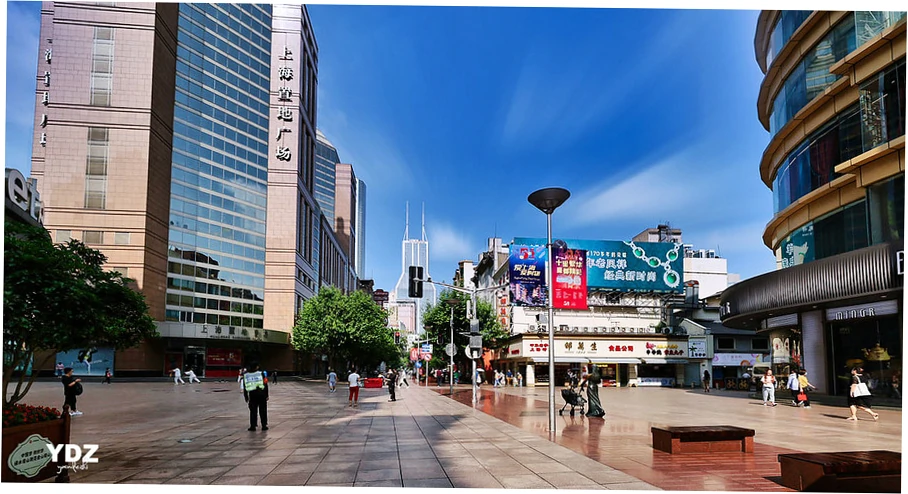
For the First-Time Tourist: The Essential Experience
Actionable Itinerary: Start at People’s Square, walk east down the pedestrian mall, ride the iconic sightseeing train to avoid fatigue, and end at The Bund for the skyline view.
Must-dos include trying a *shengjianbao* (pan-fried soup dumpling) at a hole-in-the-wall and visiting the Shanghai No. 1 Food Store for local snacks. This directly solves queries like one-day itinerary for Nanjing Road first-timer and what food to eat on Nanjing Road pedestrian street.
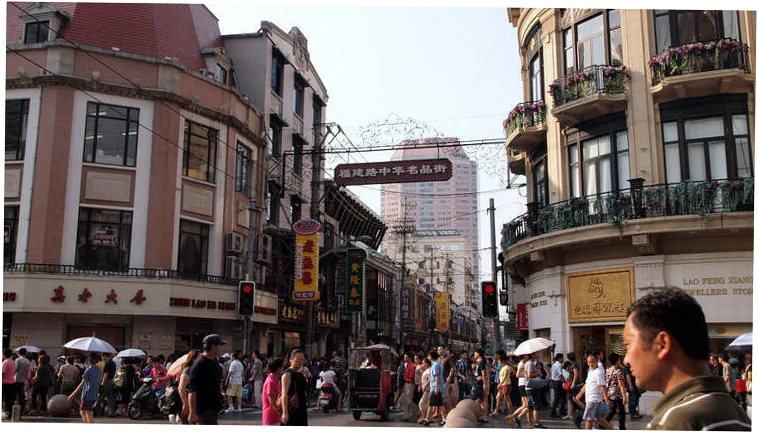
For the Repeat Visitor or Shopper: Deep Dives and Hidden Gems
Go beyond the main road. Explore the side streets, the lilong, to see local life. Check out the Mosaic Art Mall for younger, trendier brands. Luxury shoppers, listen up. Timing is key.
Go on a weekday morning to Plaza 66 or CITIC Square for a much quieter, serene shopping experience. This is for those looking for hidden spots not in guides and the best time to hit the luxury stores without the crowds.
| What kind of visitor are you? | Which part of Nanjing Road should you head to? | When’s the best time? | And what should you do there? |
|---|---|---|---|
| Traveling with the family? | Stick to Nanjing Road East, the pedestrian section. | Try a weekday afternoon. | Ride the sightseeing train, visit the Lego Store, and go snack hopping. |
| If you’re after luxury shopping… | Head over to Nanjing Road West, near Plaza 66. | A weekday morning is perfect. | You can enjoy focused boutique shopping and VIP services. |
| Love taking photos? | Go to where East and West meet, or the end near The Bund. | The best times are golden hour at sunset and at night. | You’ll get great shots of architectural contrasts and famous neon lightscapes. |
| Into history? | Nanjing Road East side streets | Anytime works, but just check museum hours. | Visit the Shanghai History Museum and keep an eye out for old signage. |
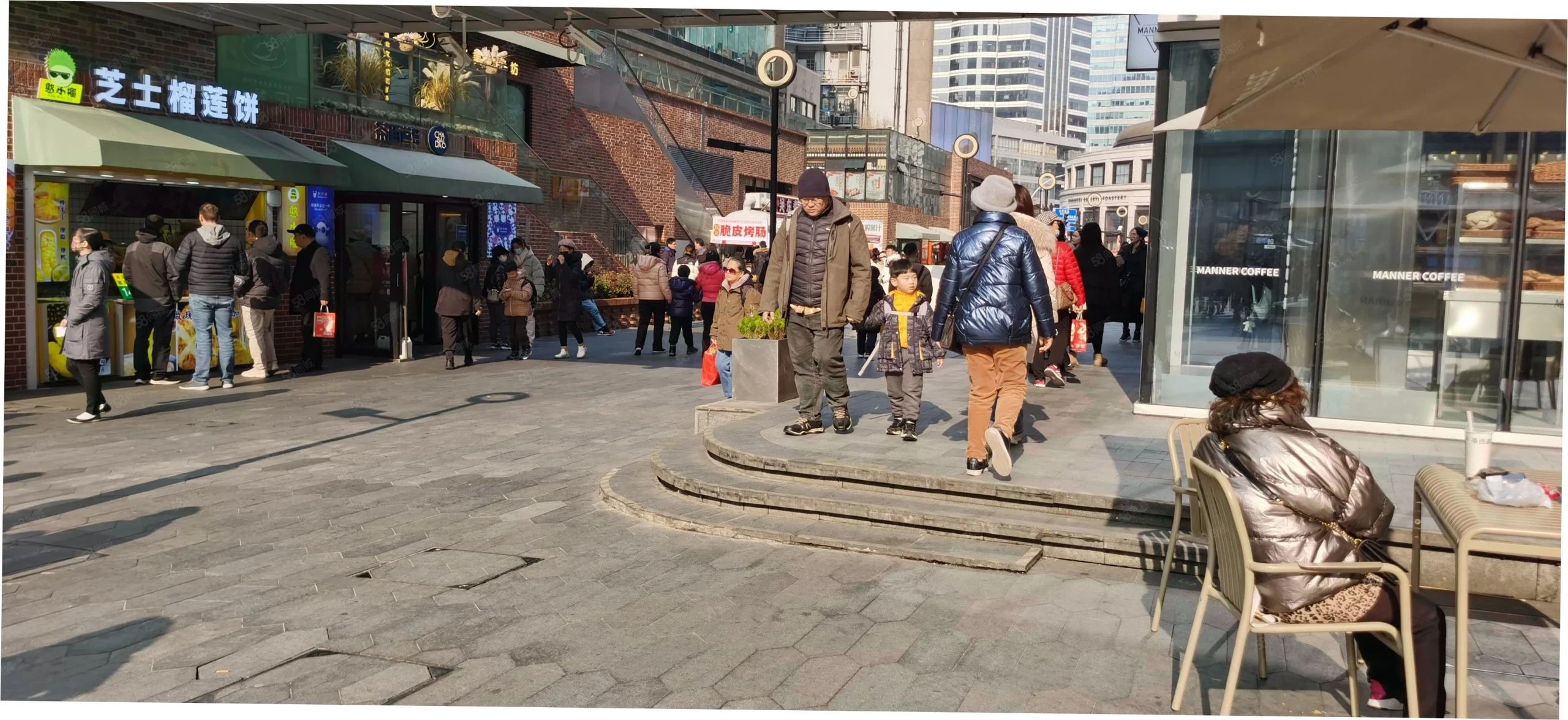
Risks, Limitations, and Common Tourist Mistakes
Navigating Crowds, Costs, and Commercial Traps
Overcrowding and Pickpockets: The biggest practical risk is the sheer density of people, especially on weekends and holidays. It’s a prime spot for pickpockets. A common query is how safe is Nanjing Road at night for solo travelers?
While generally safe with police presence, vigilance with belongings is non-negotiable. Another frequent concern is are prices on Nanjing Road inflated for tourists? Yes, in the main stores, prices are fixed, but in smaller souvenir stalls, bargaining is expected but discounts are minor.
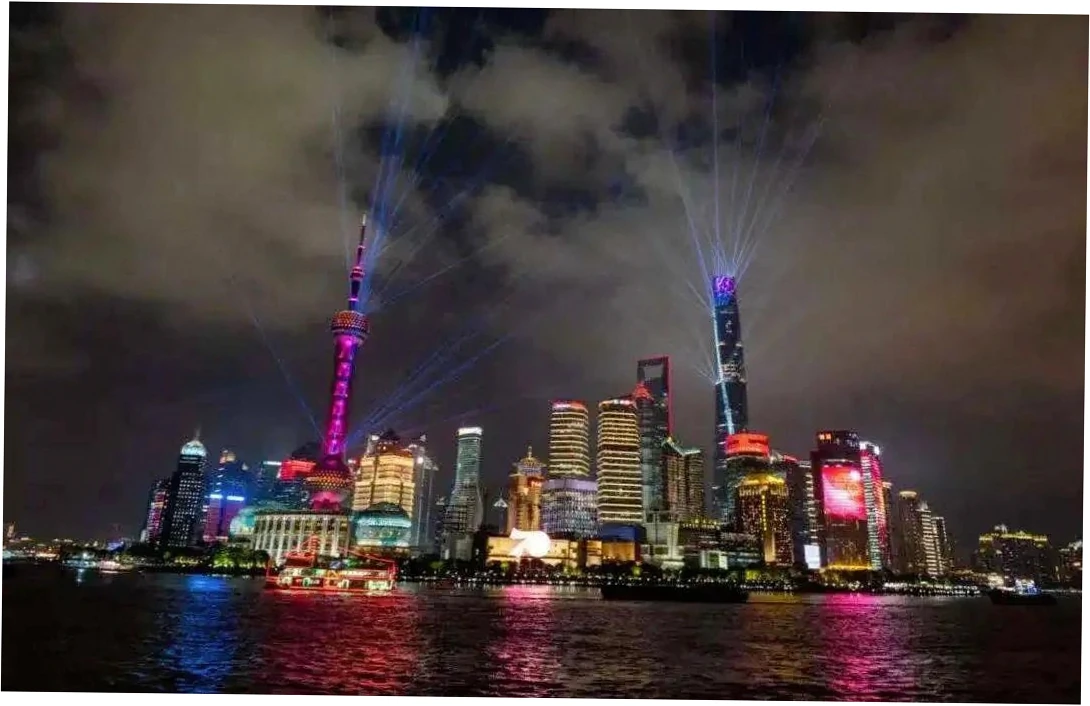
Cultural and Experience Limitations
Here’s the thing about authenticity versus commercialization. The main pedestrian area can feel super commercial and kind of generic. That’s why people search Is Nanjing Road too touristy and fake? They’re picking up on that vibe.
You’ll find a more authentic, old-Shanghai feeling in the streets nearby. don’t go there looking for a quiet, peaceful spot. If you really want deep cultural immersion, just visit Nanjing Road as part of your wider plans. Don’t make it your only stop.
Supporting Data and Case Studies of Its Impact
Economic and Tourism Metrics
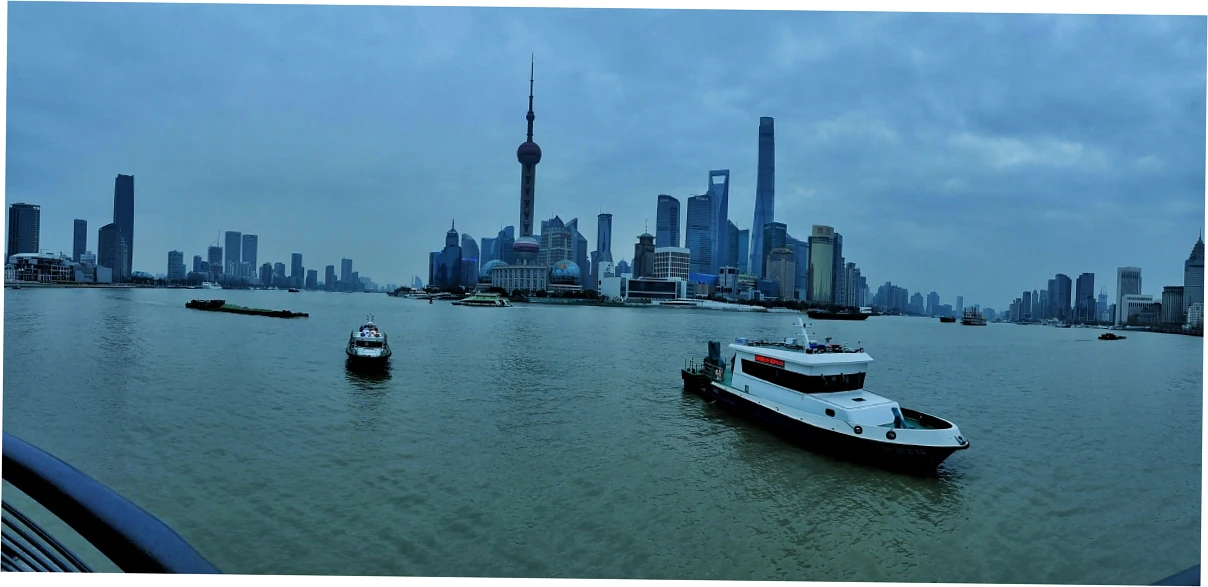
Quantifying Fame: Its fame is backed by hard data. According to the Shanghai Municipal Commission of Commerce, Nanjing Road generates annual retail sales exceeding 150 billion RMB (approx. $21 billion), consistently ranking top nationally.
A case study by the China Tourism Academy highlighted it as the #1 must-visit street for domestic tourists, with over 85% of first-time Shanghai visitors including it in their itinerary.
This data validates its status for users conducting commercial research, like Nanjing Road foot traffic and retail sales statistics.
Evolution Case Study: The Pedestrianization Project
Back in 1999, they made a huge move. They decided to close off a 1.2-kilometer part of the road to cars, turning it into a pedestrian zone. This changed everything. It went from a busy, jammed-up road to a lively place for people.
City records show foot traffic jumped by more than 300% in just five years. So if you’re wondering how closing it to cars changed its business, here’s your answer. It’s now a famous example worldwide for how to bring a city’s shopping area back to life.
| What / When | The Numbers / What Happened | Why It Matters |
|---|---|---|
| Yearly Sales (2023) | Over 150 Billion RMB | This solidifies its spot as China’s number one shopping street. |
| Busiest Day (During Holidays) | More than 1.5 million people | Shows just how popular it is, and also how tough it can be to handle the crowds. |
| Big Change | 1999: Became a pedestrian street | This kickstarted the modern tourism and shopping explosion there. |
| Historic Buildings | More than 50 protected buildings | This gives it historical and cultural value that goes way beyond just shopping. |
Strategic Decision Path for Different Travelers
Step-by-Step Planning Framework
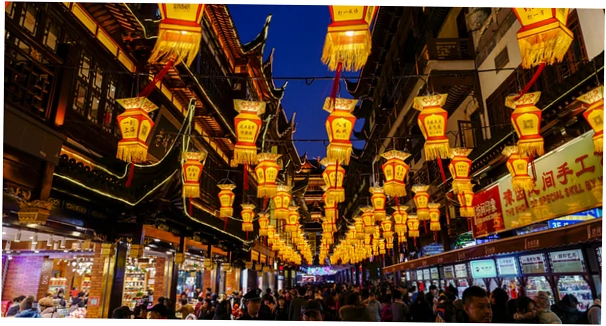
Define Your Priority: Start by asking: Am I here for shopping, history, food, or just the iconic experience? 1) For Iconic Experience: Allocate 3-4 hours, walk the pedestrian mall, take the train one way, and exit to The Bund.
2) For Serious Shopping: Research specific malls/brands online first, map your route, and go early. 3) For Cultural Depth: Use the main road as a spine, but schedule time to explore the perpendicular side streets like Fujian Road for local eateries.
Budget and Time Optimization
To enjoy Nanjing Road on a budget, stick to free stuff. You can watch the crowds, admire the cool buildings, and do some window-shopping—all part of the famous experience. Set aside some money for food.
Try small local snacks instead of pricey sit-down meals in the tourist areas. To save time, try to avoid weekends and big holidays like Golden Week. Use the metro smartly. Get off at exits like 19 or 20 at People’s Square Station, and you’ll pop out right where the action is.
Want to make your Nanjing Road adventure even better? Click here to explore our interactive map and customizable itinerary planner, which helps you balance shopping, history, and food based on your personal travel style and time constraints—turning this famous street from an overwhelming spectacle into your personalized Shanghai highlight.
Frequently Asked Questions
Is Nanjing Road just overpriced shops for tourists, or is there real value?
It’s a mix. The global luxury brands have fixed, non-negotiable prices identical to their other stores worldwide. The real value for money comes in three forms: 1) The vast selection under one roof, allowing for efficient comparison shopping.
2) The authentic, century-old local food establishments that offer great value (like the *Shengjian* at Yang’s Fry-Dumpling). 3) The free, unparalleled people-watching and architectural spectacle.
The overpriced perception often comes from generic souvenir stalls—focus on the historic brands and experiences instead.
What’s better for an authentic local feel: Nanjing Road East or West?
For a more authentic historical feel, Nanjing Road East (the pedestrian section) wins. It retains the classic streetscape, historic buildings, and a wider array of old-school local food shops.
Nanjing Road West is sleek, modern, and represents Shanghai’s global financial power—authentic in its own way to the city’s present identity. For a tangible link to old Shanghai, stick to the East and its adjoining alleys.
How crowded does Nanjing Road really get, and is it safe at night?
It gets exceptionally crowded, akin to Times Square on New Year’s Eve during peak hours (weekends, holidays). Safety in terms of violent crime is very high—there is significant police and security presence.
The primary risk is petty theft (pickpocketing) due to the dense crowds. At night, the main strips remain brightly lit and busy until late, making them generally safe for walking. However, always be aware of your belongings, avoid overly crowded trams, and stick to well-lit main paths.
Can I find good, authentic Shanghai food on Nanjing Road, or should I go elsewhere?
You can absolutely find authentic food, but you need to know where to look. Avoid the generic food courts in the mega-malls. Seek out the time-honored (*laozihao*) establishments: **Wang Bao He** for drunken crabs.
**Shen Da Cheng** for glutinous rice balls, and **Shi Lin** for Taiwanese snacks. For the best *shengjianbao*, look for the queues at smaller, specialized shops.
For a deeper culinary dive, the side streets and nearby areas like Yunnan Road are better, but Nanjing Road offers a solid, convenient introduction.
Is it worth visiting Nanjing Road if I hate shopping?
Yeah, but you gotta change your focus a bit. Think of it like a big open-air museum, all about the city’s history and shopping. Here’s what to focus on. First, the buildings. Look for Art Deco, Neoclassical, and modern styles.
Second, watch the people. It’s a cool mix of locals and tourists from everywhere. Third, use it as your lively route to get to The Bund, Shanghai’s famous waterfront view. The sheer energy and size are a show all on their own. You don’t need to buy a thing.
What are the biggest mistakes tourists make on Nanjing Road?
First, trying to see it all in one rushed go—it’s long and tiring. Pace yourself. Second, eating at the first flashy restaurant they see, missing the legendary snack spots.
Third, not venturing a block or two off the main drag to escape the crowds and see normal city life. Fourth, visiting on a Saturday afternoon and being overwhelmed, then dismissing the entire area. A little strategic planning avoids all these pitfalls.
How does Nanjing Road compare to shopping in Hong Kong or Tokyo?
It’s not really about which is better, they’re just different. Hong Kong‘s Causeway Bay is more about tall malls, mixing high-end and mid-range stuff. Tokyo’s Ginza feels more organized, fancy, and kinda strict.
Nanjing Road is more chaotic, packed with history, and it’s all about the big street-level experience. The vibe of the street and its history are just as important as the shopping here.
If you just want quick, efficient, high-end shopping, Hong Kong or Ginza are probably better picks. But for a shopping trip wrapped up in a hundred years of Shanghai’s story, Nanjing Road is one-of-a-kind.